DEAR GOD: “You Protect! -No Weapon Shall Prosper~”

This Thing Called You

No weapon that is formed against you will succeed;
And you will condemn every tongue that accuses you in judgment.
This is the heritage of the servants of the Lord,
And their vindication is from Me,” declares the Lord-

Isaiah 54:17 (NASB)

________________________________________________________________

Introduction

Isaiah 54:17 is a beacon of assurance for those facing adversity, and tough times in life overall. It declares, “No weapon that is formed against thee shall prosper; and every tongue that shall rise against thee in judgment thou shalt condemn.” Let’s take time to meditate and explore the meaning in these prolific Words of the LORD – and delve into some moral takeaways, meditative thoughts, reflective questions, and a closing prayer.

________________________________________________________________

Moral Takeaway

The verse emphasizes the Highest Divine protection from our LORD! Despite life’s challenges, God promises to thwart every weapon—whether physical, emotional, or spiritual—that threatens His servants – that is YOU – ME-Yes! Our heritage lies in this unwavering defense, especially in a world hurting and in such dire straits and constant peril!

 __________________________________________________________

Divine Armor: Imagine wearing an impenetrable armor forged by God Himself. Reflect on the strength it provides against adversity.

Words as Weapons: Consider how words can harm or uplift our spirit and our demeanor. How can we use our tongues to encourage and build others up?

Spiritual Battle: Life is a battlefield. Contemplate the spiritual warfare we face daily and the need for God’s protection.

 ________________________________________________________

What Weapons Do We Face? Identify the “weapons” in your life—fear, doubt, illness, financial problems, relationship issues, external challenges abuse, addiction or anything else you are facing.

How can you trust God fully to attend to these circumstances in your life?

Condemning Tongues: Have you ever faced judgment or criticism? How did you respond? How can you rise above negativity?

Our Righteousness: Recognize that our righteousness comes from God. How does this truth impact your self-worth?

______________________________________________________________

Thoughts to Meditate Upon

  1. God’s Faithfulness: Ponder instances when God protected you from harm.
  2. Choosing Words Wisely: Consider how your words affect others.
  3. Claiming God’s Promises: Memorize Isaiah 54:17 as a personal declaration.

_______________________________________________________________

Application Today

In our modern world, where weapons take various forms—cyberattacks, misinformation, stress, and relational strife—Isaiah 54:17 remains relevant. Trust in God’s unyielding defense. Speak life, not condemnation over your life and your family and friends. And remember, our righteousness is a gift from Him!

______________________________________________________________

Closing Prayer In Unity

 “Dear LORD -We thank You for the assurance of Isaiah 54:17. As we journey through life, shield us from harm. May no weapon prosper against us. Grant us wisdom to discern harmful words and the grace to respond with love. Remind us that our righteousness is rooted in You, and in YOU alone. In Jesus’ name, Amen.”


May God’s voice and verse inspire you to face life’s challenges with unwavering faith no matter what you are going through.

(I Corinthians 10:13) – Remember and take away this thought from God’s Word: “What you are going through is not uncommon, it’s happened to many others before you and will happen to many after you. God will never tempt you or bring you to a situation that you cannot handle, and He will never give you more than you can take. Finally- He will always offer a hand and show you a way out!

DEAR GOD: We Cry Even Today-As You Cried~

Jesus Wept Digital Art by Jesus Daily

Jesus Wept

In John 11:35, the shortest verse in the entire Bible -we encounter these two poignant words: “Jesus wept.” But why did He cry? Here are some significant aspects:

Compassion and Empathy:
Jesus wept because He understood the pain and suffering that death brings. Despite His power to overcome death, He felt the heaviness of sin and the human experience. His tears serve as a reminder of His deep love and empathy for humanity, even in the face of miraculous solutions.

Reflective Question:
How can we cultivate empathy and compassion for others, especially during times of grief and loss?

Shared Humanity:
The Lord Jesus, though Divine, lived a perfect life in human form. He experienced the same feelings as those around Him. His tears reveal His solidarity with our struggles, sorrows, and limitations. This was clearly a human characteristic that we “all share” – TEARS!

Reflective Question:
How can we connect with others on a deeper level, recognizing our shared humanity?

Application Today -Jesus’ tears continue to resonate in our modern world:

Authentic Emotions:
We don’t need to suppress our emotions. Jesus, fully God and fully human, expressed His feelings openly. Let’s embrace authenticity and vulnerability, knowing that God understands our hearts. Knowing He is there for us through each emotion we express, and all of which we are going through. He is with us through it all! Holding us up with His strength, Spirit and guidance – and LOVE.

Comforting Others:
Just as Jesus comforted Lazarus’s sisters, we can be present for those who grieve. Our tears can be a source of comfort and healing for others. “Blessed are they that mourn, for they shall be comforted.” (Matthew 6)

Reflective Question:
How can you offer comfort to someone who is hurting?

Modeling Compassion:
Jesus healed the sick, comforted the brokenhearted, and showed kindness to sinners. His compassion extended to all, regardless of their background or mistakes. We are inherently called to do the same – as Christians and believers, we are to emulate and reflect Christ in all things, at all times.

Reflective Question:
How can we model Jesus’ compassion by reaching out to those who are hurting, marginalized, or struggling?

The love Jesus demonstrated remains relevant in our contemporary world.

Selflessness:
Just as Jesus selflessly gave Himself for us, we can prioritize others’ needs above our own. Whether through acts of service, forgiveness, or empathy, we can embody His love.

Community:
Jesus emphasized community and fellowship. In a fragmented world, we can build bridges, listen to diverse perspectives, and foster unity.

Grace and Forgiveness:
Jesus forgave even those who betrayed Him. We can extend grace and forgiveness to others, recognizing our shared humanity.

Unity Prayer
“Dear Heavenly Father, Thank You for the example of Jesus, who wept with compassion. Help us to love and empathize with others as Your Son Jesus did, help us in sharing their burdens and offering comfort. May our tears be a reflection of Your love in a broken world. In Jesus’ name, we pray. Amen.”

_______________________________________________________________

Remember, Jesus’ love isn’t just a historical event—it’s a living reality that continues to transform hearts today. It’s a reality and a constant reminder that we are saved because of Him and His precious blood. Let’s meditate on His spectacular love and How His compassion molds our paths in life…

DEAR GOD: Your Goodness Shines Over All~

God's GoodnessThe Goodness of God: A Journey of Faith

The Bible resounds with the declaration that God is good. His goodness transcends mere acts of kindness; it encompasses His holiness, justice, mercy, and love in perfect harmony. As we delve into this topic, let us uncover the layers of His goodness and discover how it shapes our lives. Upon reading these selected verses, truly concentrate and meditate on the “goodness” of God. Not just the “word” – but the reality of “goodness as it pertains to God.” His redemption of souls, His forgiveness, His loving nature towards humanity, His steadfast and unwavering mercy, His light that shines in the darkness, and His life affirming gift of His Son, our LORD and Savior, Jesus Christ!

God’s Goodness Revealed in Scripture:

  1. Exodus 34:6: “The Lord, the Lord God, merciful and gracious, longsuffering, and abounding in goodness and truth.” God’s goodness is woven into His very nature. He is merciful, gracious, patient, and unwaveringly true.
  2. 1 Chronicles 16:34: “Oh, give thanks to the Lord, for He is good! For His mercy endures forever.” Our gratitude springs from recognizing His enduring goodness.
  3. Psalm 25:8: “Good and upright is the Lord.” His goodness aligns with righteousness, guiding us toward upright living.
  4. Psalm 23:6: “Surely goodness and mercy shall follow me all the days of my life; and I will dwell in the house of the Lord forever.” His goodness accompanies us throughout our journey, leading us home.
  5. Psalm 145:9: “The Lord is good to all, and His tender mercies are over all His works.” His goodness extends to every corner of creation.
  6. Mark 10:18: “No one is good but One, that is, God.” Jesus Himself affirmed God’s inherent goodness.
  7. James 1:17: “Every good gift and every perfect gift is from above.” Our blessings flow from the Father of lights, unchanging and generous.
  8. Matthew 7:11: “If you then, being evil, know how to give good gifts to your children, how much more will your Father who is in heaven give good things to those who ask Him!” God delights in bestowing goodness upon His children.

Meditative Thoughts:

Contemplating His Majesty: Take a moment to meditate on the glorious splendor of God’s majesty. Imagine His awesome acts—the creation of galaxies, the intricacy of a butterfly’s wing, and the redemption of souls.

The Greatness of His Goodness: As you reflect, consider how God’s goodness surpasses human comprehension. It flows from His very essence, unblemished and unending.

Trust in His Goodness: Amid life’s challenges, trust that you will see the goodness of the Lord. Even when circumstances seem bleak, His goodness remains steadfast.

Pursue Righteousness: God’s goodness aligns with righteousness. Strive to live uprightly, knowing that His goodness surrounds you.

Reflective Questions:

  1. What “high places” are you striving to reach? Just as Habakkuk desired to see God’s goodness, consider your spiritual aspirations.
  2. How can you reflect God’s goodness in your interactions with others? Extend kindness, mercy, and grace to those around you.

Prayer of Unity:

“Dear Heavenly Father, we gather as one, acknowledging Your goodness. You are the source of all that is right and beautiful. As we journey through life, grant us hinds’ feet—agility to navigate challenges and unwavering trust in Your goodness. Guide us, O Lord, To walk the path of righteousness. May our lives echo Your goodness, Our words and deeds reflecting Your grace. Fill our hearts with gratitude, For Your gifts are abundant. In unity, we lift our voices: You are good, and Your mercy endures forever. In Jesus’ name, Amen.”

_____________________________________________________________

Meditative Thoughts

As you close this reflection, dwell on the goodness that surrounds you. May it inspire gratitude and propel you forward on your journey of faith, as you walk in abject humility and faithful servitude of Your LORD and Creator, all the days of your life…


DEAR GOD: In Awe Of Your Grace & Omnipotence~

God Is Omnipresent – Grace Evangelical Society

 “God’s Grace and Omnipotence: A Reflection on Faith and Responsibility”


Introduction

God’s grace and omnipotence are foundational aspects of Christian belief. The Bible reveals God’s boundless love, mercy, and power. Together beloved let’s explore these themes, consider their relevance in today’s world, and discuss our responsibilities as Christians.


God’s Omnipotence: Scripture and Reflection

“For with God nothing shall be impossible.” (Luke 1:37, ESV)
God’s omnipotence transcends human limitations. He created the universe, sustains it, and governs all things. Reflect on the awe-inspiring power that upholds existence itself. Consider His strength and love and how it encircles you every single day of your life.


God’s Grace: Scripture and Moral Takeaways

“But God, being rich in mercy, because of the great love with which he loved us, even when we were dead in our trespasses, made us alive together with Christ—by grace you have been saved.” (Ephesians 2:4-5, ESV)

God’s grace is unearned favor. We, too, should extend grace to others, forgiving as we’ve been forgiven. Amid chaos and division, God’s grace remains our anchor. Share this hope with a hurting world. Reflect on the goodness of God and being in the safety of His sanctuary. Be a witness to His glory by holding on to our faith and representing Christ in all we do.


Our Responsibilities as Christians

 “A new commandment I give to you, that you love one another: just as I have loved you, you also are to love one another.” (John 13:34, ESV)

Our responsibility is to love sacrificially, reflecting God’s character in all practical matters in which we live. He is commanding us in John 13:24, He is not asking – He is saying “you are to love one another” no questions asked. Just do it and obey His Word.

 “For we are his workmanship, created in Christ Jesus for good works, which God prepared beforehand, that we should walk in them.” (Ephesians 2:10, ESV)

We’re called to serve others, meeting practical needs. We have an inherent responsibility as followers of Christ and His Gospel. Adhering to the Word should be an overall “map” in which we travel, while aligning with His Word in all of our action, speech and daily interactions with others. While staying true to ourselves in the spirit of Christ.

“Go therefore and make disciples of all nations, baptizing them in the name of the Father and of the Son and of the Holy Spirit.” (Matthew 28:19, ESV)

Share the Gospel boldly. Be open with your love for the LORD. Express it without shame and without hesitation. Be open about your feelings for the God and He will be open with you in return.


Reflective Questions

  1. How can we better demonstrate God’s grace in our interactions with others?
  2. What practical steps can we take to serve our communities?
  3. How does God’s omnipotence impact your faith during challenging times?

Unity Prayer

“Dear Heavenly Father, thank You for Your grace and omnipotence. Help us extend grace to those around us, serving with love and compassion. May our lives reflect Your power and mercy. In Jesus’ name, Amen.”


Meditative Thoughts & Scripture

“The eternal God is a dwelling place, and underneath are the everlasting arms.” (Deuteronomy 33:27, ESV)

“Trust in the Lord forever, for in God the Lord, we have an everlasting Rock.” (Isaiah 26:4, ESV)
_______________________________________________________________

Our unshakable foundation is God Himself- May the Word and scriptures in the Holy Bible deepen your understanding of God’s grace and inspire you to live out your faith with purpose…


Living Water: God’s Awesome Grace

DEAR GOD: Your Guidance & Mercy Allow Me To LIVE~

Encountering God's Mercy - Strengthen My Heart

“Guidance, Mercy, and Covenant: Reflections on Psalm 25:8-10”

Psalm 25:8-10 is a poetic expression of trust in God’s character and guidance. These verses remind us of His unwavering love, justice, and faithfulness. Let’s unpack each line and discover the treasures hidden within.

“Good and upright is the Lord”

God’s goodness and uprightness form the foundation of our faith. He is not capricious or fickle; His character remains steadfast.

Morals & Takeaway: Trust in God’s inherent goodness, even when circumstances seem bleak. His intentions toward us are always just and compassionate.

“Therefore He teaches sinners in the way”

God doesn’t abandon sinners; instead, He patiently instructs them. His grace extends to all, regardless of their past.

Reflective Question: How can we emulate God’s patience and compassion when dealing with others who have gone astray?

“The humble He guides in justice”

Humility opens the door to divine guidance. God leads those who recognize their need for Him.

Christian Application: Seek God’s guidance with humility, knowing that His justice will prevail.

“And the humble He teaches His way”

God’s teaching is personal and transformative. Humility allows us to learn from Him.

Relevance Today: In a world of noise and self-sufficiency, how can we cultivate humility to receive God’s instruction?

“All the paths of the Lord are mercy and truth”

God’s paths—His plans, providence, and purposes—are marked by mercy and truth, and to prosper and bring us to full capacity in which to not only serve Him, but to live LIFE as it were intended to be lived!

Unity Prayer: “Lord, guide us on paths of mercy and truth. May our lives reflect Your character.”

“To such as keep His covenant and His testimonies”

Covenant-keepers experience God’s mercy and truth. Obedience is the key to promoting God in all our ways, and reflecting His love and light to all we encounter along life’s highway!

Meditative Takeaway: Reflect on your commitment to God’s covenant. Are you faithful in keeping His Word?

Conclusion:

Psalm 25:8-10 invites us to trust in God’s goodness, learn from His guidance, and walk in His ways. As we navigate this complex world, let us humbly seek His mercy, uphold His covenant, and find solace in His unwavering truth and unsurpassed conquering Love!

May our hearts echo David’s prayer: “Show me Your ways, O Lord; teach me Your paths” (Psalm 25:4).

____________________________________________________________________

Meditative Takeaway:

Let’s please take a moment to meditate on God’s goodness and His loving promises and covenant. Consider how you can walk in His paths today, trusting His mercy and embracing His truth. Remember, the Lord’s guidance is available to all who seek it. Let us journey together, hand in hand with our faithful God.

_______________________________________________________________

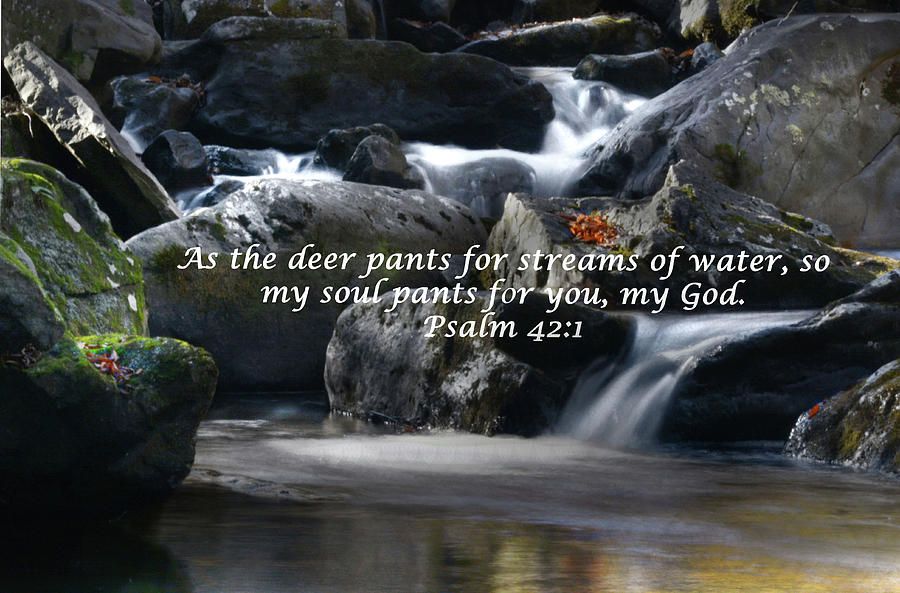
DEAR GOD: Early I Seek You As My Soul Thirsts For You~

Psalm 42:1. As the deer pants for water, so my soul pants for You, my ...

 so panteth my soul after Thee, O God. –
Psalm 42:1 (KJV) 

__________________________________________________________

  “Desiring & Needing God” 


Introduction: In Psalm 42:1, the psalmist beautifully expresses a longing for God akin to a deer thirsting for water. This metaphor captures the intensity of our desire for a deeper connection with the Divine. Let us explore this theme through scripture, reflection, and prayer.


 The psalmist’s thirst for God mirrors the deer’s desperate need for refreshing streams. Our souls ache for communion with the living God.  This metaphor transcends time, still strongly resonating with us today as Christians. Let us delve deeper into this feeling and longing for His Word, exploring how our hearts should yearn for God’s presence. The psalmist’s thirst mirrors our own spiritual hunger.

Reflection: The Intensity of Spiritual Longing

Consider moments when your soul yearned for God’s presence. What circumstances intensified this longing? Reflect on how spiritual thirst drives us to seek God earnestly. How can we cultivate this hunger in our daily lives?

Meditative Takeaway: Quenching Our Thirst

Just as a deer seeks water to survive, our souls need God’s presence for sustenance. Meditate on the idea that God alone satisfies our deepest longings. How can we prioritize seeking Him?

Like the deer, we must seek God diligently. Prayer, worship, and Scripture nourish our souls. Meditate on Psalm 63: “O God, thou art my God; early will I seek thee: my soul thirsteth for thee, my flesh longeth for thee in a dry and thirsty land.”

How can we prioritize seeking God daily, even amidst life’s challenges?

Relevance Today: A Heart Set on God

In our fast-paced lives, distractions abound. Yet, our hearts should remain fixed on God, especially with the added distractions of the world. We need to block out the “ugly sounds of the world” and commune with the peaceful loving “calm voice” of the LORD.  How can we cultivate this unwavering desire for Him?

Moral Takeaway:

Consider how our longing for God impacts our choices, priorities, and relationships in the modern world.

  1. Thirst for God: The psalmist’s soul thirsts for God, recognizing that true fulfillment comes from seeking Him. In our own lives, we should cultivate a deep longing for God’s presence, knowing that He satisfies our spiritual thirst.
  2. Loving kindness Over Life: The psalmist declares that God’s lovingkindness is better than life itself. This perspective challenges us to prioritize our relationship with God above all else. His love sustains us even in the driest seasons of life.
  3. Praise and Worship: Despite challenging circumstances (the “dry and thirsty land”), the psalmist’s lips praise God. We, too, should offer heartfelt worship, acknowledging His power and glory.
  4. Seeking God Early: The psalm begins with “early will I seek thee.” This encourages us to prioritize seeking God at the start of each day. When we seek Him first, everything else falls into place.

Unity Closing Prayer:

“Heavenly Father, like the deer pants for water, our souls’ thirst for You. We confess our need for Your presence, guidance, and love. Quench our spiritual thirst, O God. Help us seek You diligently, knowing that in You, we find true fulfillment. Unite us as one body, longing for You. In Jesus’ name, amen.”


May our hearts echo the psalmist’s cry, desiring God with an intensity that draws us ever closer to His abundant grace all the days of our lives, and beyond-

The Living... — Psalm 42:1 (NIV) - As the deer pants for streams... 

DEAR GOD: Seeking You In Prayer Daily~

3 Views on Prayer: Which is the Most Biblical? - Bellator Christi

Finding Refuge in God

 Psalm 4 is a heartfelt cry from King David, expressing both his distress and unwavering trust in God. In these verses, we witness David’s dialogue with both God and his adversaries. Let’s dive into the richness of this psalm, as we see the meaning and intent of this Psalm to us as children of Christ!

1. David Talks to God (Psalm 4:1)

“Hear me when I call, O God of my righteousness! You have relieved me in my distress; have mercy on me and hear my prayer.”

  • Passionate Prayer: David’s plea isn’t mere words; it’s a passionate cry for God’s attention. He acknowledges that his righteousness comes from God alone.
  • Past Mercy as Ground for Future Help: David reminds God of His past deliverance, trusting that God won’t abandon him now. Our prayers gain power when we remember God’s faithfulness.

2. David Talks to Men (Psalm 4:2-3)

“How long, O you sons of men, will you turn my glory to shame? How long will you love worthlessness and seek falsehood? Selah. But know that the LORD has set apart for Himself him who is godly; the LORD will hear when I call to Him.”

  • Questioning the Ungodly: David challenges his adversaries. How long will they persist in their destructive ways? He invites them to abandon falsehood and find blessing.
  • God’s Divine Selection: David affirms that God sets apart the godly. Our identity as God’s chosen ones matters. When we align with His will, He hears our cries.

Moral Takeaway

God’s favor rests upon those who fear, love, and serve Him. We, too, can find solace in being set apart for His divine purposes. Let us embrace our identity as the godly. When we walk according to His will and purpose or our lives, all things work out eventually, because God’s plans are best for us. Even when we don’t feel that they are, we might not see the reason immediately – or ever in this lifetime. But suffice to say – God only wants what’s best for His children. All of them, irrespective of their race, sex, social status etc., – He loves us all!

As we go forward, we need to align with His Word, and be obedient and acquiesce to His will, as we humbly serve Him with all of our heart, mind, body and soul. We need to put Him first in ALL we do and all else is second. His ways. His will. His Word – always.

Reflective Question

How can you live out your faith today, knowing that you are set apart by God for His purposes?

Meditative Thoughts

  • God’s mercy sustains us.
  • Our righteousness is a gift from Him.
  • In distress, we find refuge in His presence.

Closing Unity Prayer

“Dear Heavenly Father, thank You for choosing us, setting us apart as Your beloved. May we walk in godliness, guided by Your grace. Grant us strength to withstand opposition, knowing that You hear our cries, and that You are continuously watching over us, in all we do, all the days of our lives, and may we humbly serve You fully today and into eternity. In Jesus’ name, Amen.”


May this psalm resonate in your heart, reminding you of God’s unwavering love and protection as you go through each day of your lives!


Swachch Bharat

DEAR GOD: Your Redeeming Love Touched & Saved Me~

In Christ – Pt. 1 | More Than A Sunday Faith

“But He was pierced for our transgressions, He was crushed for our iniquities; the punishment that brought us peace was on Him, and by His wounds, we are healed.” -Isaiah 53:5 (KJV)

 Isaiah 53 is a powerful chapter that prophetically describes the suffering and sacrificial death of the Messiah. It paints a vivid picture of Jesus as the suffering Servant who willingly bore our sins, bringing redemption and healing to humanity.

Redemption for Our Souls:

Jesus willingly took upon Himself the weight of our sins. His sacrifice on the cross provided redemption—a way for us to be reconciled with God. Through His blood, we find forgiveness and restoration. Our souls, once burdened by guilt, are set free.

Pierced for Our Transgressions:

Jesus was pierced—crucified—on the cross, not for His own sins (for He was sinless) but for ours. His wounds represent the depth of His love and the extent to which He was willing to go to save us. Jesus’ wounds represent our brokenness—our sin-scarred hearts. His sacrifice brings healing, wholeness, and renewal. In Jesus, we see the perfect blend of Divinity and humanity. His incarnation bridges the gap between God and us. His sacrifice restores our true identity as God’s beloved children. We are no longer slaves to sin but heirs of grace.

How does the image of Jesus’ body hanging nailed on the cross impact your understanding of His sacrifice?

Crushed for Our Iniquities:

The crushing weight of our sins fell upon Jesus. His suffering was intense, both physically and spiritually. Our sins have consequences, but Jesus bore them willingly, demonstrating God’s immense love for humanity.

 Imagine the weight of every sin—past, present, and future—pressing down on Jesus. How does this impact your gratitude?

The Punishment for Our Peace:

Jesus endured the punishment that should have been ours. His sacrifice reconciled us to God, bringing peace between sinful humanity and a holy God.

 How does Jesus’ sacrifice bring you peace with God?

Healed by His Wounds:

Physical healing is one aspect, but the deeper healing is spiritual. Through Jesus’ wounds, we find forgiveness, restoration, and eternal life.

Eternal Life and Abundant Living:

Jesus conquered death through His resurrection. His sacrifice offers us eternal life—a hope beyond this earthly existence. Abundant living means more than mere survival; it’s thriving in purpose, joy, and love.

Consider the promise of eternal life. How does it shape your perspective on today?

Consider the wounds—the stripes—on Jesus’ back. How do they symbolize healing for your soul?

Unity Prayer 

Dear Heavenly Father, we thank You for sending Your Son, Jesus Christ, to bear our sins and bring us healing. May His wounds remind us of Your boundless love and the price He paid for our redemption. Help us live in gratitude, sharing this message of hope with others. In Jesus’ name, amen.

_______________________________________________________________

 Meditative Takeaway

As we contemplate and meditate of the Holy Word of the LORD in Isaiah 53:5, let us embrace the truth that Jesus’ wounds are our healing. May His sacrifice draw us closer to Him, inspire compassion for others, and ignite a desire to share the Good News. 

DEAR GOD: Your Love Preserves Me In All I Do~

1 John 4:8 God is Love Bible Verse

  “Preserve me, O God, for in you I take refuge.”
(Psalm 16:1, ESV)

Preserving Refuge –In the quiet chambers of our hearts, we seek refuge—a sanctuary where our souls find solace amidst life’s tumultuous storms. Psalm 16:1, attributed to David, echoes this universal longing for safety and protection. Let us journey together through this sacred verse, uncovering its layers of significance.

__________________________________________________________________

 Seeking Refuge

David, a warrior and poet, understood the fragility of human existence. His life was marked by battles, betrayal, and danger. Yet, in the midst of adversity, he turned to God as his refuge. The word for “preserve “implies safeguarding, keeping, and cherishing. David pleads with God to preserve him—to shield him from harm and provide a safe haven.

Trusting in God Alone

David’s declaration, “for in You I take refuge,” reveals profound trust. He acknowledges that true security lies not in earthly fortifications but in the Almighty. In a world of shifting sands, David anchors his soul in the unchanging Rock. We, too, can find refuge by entrusting our lives to God’s unwavering care.

Reflective Questions

  1. Where do we seek refuge when life’s storms rage?
  2. Are we relying on our own strength or turning to God?
  3. How can we cultivate a deeper trust in God as our ultimate refuge?

Moral Thoughts

The Illusion of Self-Sufficiency

Often, we build false fortresses—wealth, relationships, achievements—believing they will shield us. Yet, they crumble, leaving us vulnerable. True refuge lies beyond our abilities; it resides in the One who upholds the universe.

Vulnerability and Authenticity

Acknowledging our need for refuge requires vulnerability. It’s an admission that we are not invincible. Authentic faith embraces weakness, allowing God’s strength to shine through.

Meditative Takeaway

  • Reflect: Pause and consider where you seek refuge. Invite God into those spaces.
  • Trust: Embrace vulnerability, knowing that God’s preserving hand is your true shelter.
  • Pray: Offer your heart’s cry to the One who preserves and protects.

Additional Insights

The Fragile Beauty of Trust

Trusting God is not a sign of weakness; it’s an acknowledgment of our humanity. Like delicate petals, our trust in God blooms even in adversity.

The Refuge of Community

Sometimes, God’s refuge comes through human connections—a friend’s listening ear, a neighbor’s kindness. Let us be vessels of refuge for others, reflecting God’s love.

The Eternal Refuge

Our earthly refuges are temporary, but God’s refuge endures forever. As we navigate life’s uncertainties, may we find solace in the eternal arms that hold us. In Psalm 16:1, we find an invitation—to lay down our self-sufficiency and find refuge in the arms of the Eternal, One and only LORD!

Unity Prayer:

“Dearest Heavenly Father, preserve us as we take refuge in You. Shield us from life’s storms, both seen and unseen. May our trust in You deepen, and may our hearts find rest in Your unwavering love, in Jesus’ precious name, Amen.”

_______________________________________________________________

May this verse resonate within all of us, guiding us toward the unshakable refuge that transcends time and circumstance, guiding us as we meditate on the power of His Word and promises, that we can always trust in the LORD, and rely on Him for all things at ALL times… 

DEAR GOD: Thank You For Your “Everlasting Mercy and Righteousness”

Jeremiah 31:3 'Loved you with Everlasting Love' Wall Art Canvas Print

“But the mercy of the LORD is from everlasting to everlasting upon them that fear him, and his righteousness unto children’s children; To such as keep his covenant, and to those that remember his commandments to do them.” -Psalm 103:17-18


 “Everlasting Mercy and Righteousness”


The psalmist, King David, reflects on the enduring attributes of God—His mercy and righteousness. These verses remind us that God’s goodness transcends time, reaching from eternity past to eternity future. Please join me to explore and delve deeper into these themes, with our eyes, ears, and heart for the LORD, asking for His wisdom to understand and apply His Word into our lives today, and every day!


 Everlasting Mercy: The psalmist declares, “But the mercy of the LORD is from everlasting to everlasting upon them that fear Him.” Here, we encounter the boundless compassion of our Creator. God’s mercy is not a fleeting emotion; it is an eternal stream that flows toward those who revere Him. Consider the following aspects:

Unfading Grace: Our lives are transient, like flowers that bloom and wither. Yet, God’s mercy remains constant. It existed before time began and will endure beyond our earthly existence.

Fear and Reverence: The psalmist emphasizes that this mercy is upon those who fear the Lord. Not a servile fear, but a filial reverence—a deep awe and respect for God. Such reverence opens the floodgates of divine mercy.


Righteousness unto Children’s Children: Continuing, the psalmist adds, “And His righteousness unto children’s children.” Here, we encounter God’s faithfulness across generations.

Covenant Faithfulness: God’s righteousness extends to the descendants of those who walk in His ways. It is not merely an act of kindness but a fulfillment of His covenant promises.

In Exodus 20:6, God declares that He shows mercy to thousands of generations of those who love Him and keep His commandments.

Conditions and Continuity: The psalmist subtly reminds us that God’s blessings are conditional. They flow to those who faithfully remember His commandments. Our spiritual heritage depends on our fidelity to God’s covenant.


Reflective Questions:  As we meditate on these verses, let us consider:

  • How can we cultivate a reverential fear of God in our lives?
  • Are we passing on a legacy of righteousness to our children and grandchildren and other significant people in our lives?
  • What practical steps can we take to ensure that God’s mercy endures in our family lineage?

Moral Takeaway: God’s mercy is not bound by time or circumstance. It extends from eternity past to eternity future. As recipients of His mercy, we should approach life with gratitude and compassion toward others.

The fear of the Lord is not about trembling in terror but standing in awe of His majesty. It’s a reverential respect that acknowledges His sovereignty. When we fear God, we align our hearts with His purposes.

Our faithfulness impacts future generations. Just as God’s righteousness extends to children’s children, our choices influence our family lineage. We have a responsibility to model godly living.

Prayer unites us with God’s purposes. As we pray for our families, we invite His mercy and righteousness to flow through generations. Our unity in prayer strengthens our spiritual heritage.

__________________________________________________________

Unity Prayer: Let us unite our hearts in prayer.

“Dear Heavenly Father, we stand in awe of Your everlasting mercy. May our lives reflect reverence for You. Help us pass on the torch of righteousness to future generations. May Your covenant promises be fulfilled in our families. In Jesus’ name, we pray. Amen.”


 Psalm 103:17-18 invites us to embrace the eternal perspective as we meditate on the meaning and content of the Word.  God’s mercy and righteousness span beyond our brief existence, weaving a tapestry of grace across generations. Let us walk in reverence, keeping His commandments, and trust that His mercy will endure forever…