DEAR GOD: May Your Holiness Infuse Our Every Thought & Action~

God's Breath Publications » HOLINESS

“But as he which hath called you is holy, so be ye holy in all manner of conversation; Because it is written, Be ye holy; for I am holy.” — 1 Peter 1:15-16 (KJV)


 Walking in His Light

  Holiness is not merely an attribute of God; it is the essence of His being. He is wholly pure, completely set apart, and without blemish. From the beginning, He has called His people into this sacred pursuit—not as an unattainable goal but as a way of life shaped by His presence. In 1 Peter 1:15-16, we find a direct command and a divine standard: Be ye holy; for I am holy.

This call to holiness is not a suggestion or an ideal; it is a requirement for those who desire to walk with the Lord. To be holy is to be consecrated, to reject worldliness, and to dedicate our hearts, minds, and lives to Him. Holiness is not about mere rule-following or self-righteousness. It is about becoming so immersed in God’s presence that His character reflects through us in everything we do, in every word we speak, and in every thought we entertain.

But how can fallen man strive toward holiness when imperfection runs through his veins? The answer is found in grace. God does not expect us to attain holiness on our own—rather, He invites us into the transformational power of His Spirit. As we surrender to Him, He refines us, renews our minds, and purifies our hearts.


Holiness in Yesterday and Today

God’s call to holiness has not changed across the generations. In Leviticus 11:44, the Lord told Israel: “For I am the Lord your God: ye shall therefore sanctify yourselves, and ye shall be holy; for I am holy.” The same God who demanded purity of heart and devotion from Israel is the same God calling His Church today to live set apart.

Many Christians today struggle with what it means to live holy in a world saturated with compromise. What does it mean to walk in holiness when immorality is celebrated and faithfulness is mocked? The answer remains the same as it always has: We fix our eyes on Jesus. We anchor our hearts in His Word. We let His truth shape our behavior rather than the shifting morality of the culture around us.

To be holy is not to be removed from the world but to live within it with a heart that beats for Christ. It is the call to reflect purity in our conversations, kindness in our actions, and integrity in our decisions. Holiness is not just about avoiding sin; it is about actively pursuing righteousness.


Our Eternal Course of Action

Holiness is not a fleeting pursuit. It is eternal. From the moment we step into salvation, the Lord begins His work in us, preparing us for the day when we stand before Him in complete sanctification. This journey does not end when our life on earth does. Revelation 22:11 speaks of the everlasting distinction between righteousness and wickedness: “He that is unjust, let him be unjust still: and he which is filthy, let him be filthy still: and he that is righteous, let him be righteous still: and he that is holy, let him be holy still.”

We must ask ourselves daily: Is my life reflecting the holiness of my Creator? Am I walking in purity and surrender? Each moment we live is an opportunity to choose holiness over indulgence, righteousness over rebellion, faithfulness over fleeting pleasures. Holiness is a daily discipline, an eternal posture, and a lifelong commitment.


“LORD – You are holy beyond measure, perfect in all Your ways. You have called us to walk in purity, to reflect Your righteousness, and to live according to Your truth. Strengthen our hearts so that we may pursue holiness—not out of obligation, but out of love. Guard our minds from distraction, refine our desires, and shape our character to honor You. Let us be set apart, consecrated unto You, walking daily in the beauty of holiness. In Jesus name, Amen.”


Reflective Question:

In what areas of my life do I need to surrender to God so He can refine me in holiness?


May the Lord sanctify your heart and draw you closer to Him. May He strengthen you in righteousness and fill your days with His wisdom. May you walk in the beauty of holiness, standing firm in faith and secure in His everlasting love. In Jesus name, Amen.

 

DEAR GOD: Fill My Heart With Your Peace LORD~

Peace in Jesus Christ | St. Michael Catholic Church

“Be careful for nothing; but in every thing by prayer and supplication with thanksgiving let your requests be made known unto God. And the peace of God, which passeth all understanding, shall keep your hearts and minds through Christ Jesus.” –Philippians 4:6-7 


This passage from Philippians 4:6-7 is a profound call to faith, trust, and unwavering confidence in God’s providence. Paul, in his letter to the Philippians, urges believers to cast off anxiety and instead embrace a life of prayer, supplication, and thanksgiving. This directive is not merely a suggestion but a foundational principle of Christian life—faith that is rooted in communion with God.


Biblical Overview

Throughout scripture, we see a recurring theme: God invites His children to bring their concerns before Him. Anxiety is the natural response to uncertainty, but the Word of God offers an alternative—faith through prayer. The phrase “be careful for nothing” does not advocate recklessness but rather exhorts believers to abandon worry and place their full trust in the Lord.

We find echoes of this command in Psalm 55:22—“Cast thy burden upon the Lord, and he shall sustain thee: he shall never suffer the righteous to be moved.” The act of casting burdens upon the Lord signifies complete surrender, entrusting Him with the weight of life’s struggles. Similarly, 1 Peter 5:7 reinforces this truth: “Casting all your care upon him; for he careth for you.”


Christianity and the Power of Prayer

Paul reminds believers that the antidote to anxiety is prayer. However, prayer must be accompanied by supplication and thanksgiving. Supplication is earnest pleading, a sincere outpouring of one’s heart before God. Thanksgiving shifts the focus from petitions alone to acknowledging God’s goodness, fostering gratitude even amid trials.

Jesus Himself demonstrated the essence of supplication in Gethsemane, where He prayed, O my Father, if it be possible, let this cup pass from me: nevertheless not as I will, but as thou wilt. (Matthew 26:39) His submission models the perfect approach to supplication—faithful surrender to God’s will.


The Peace That Surpasses Understanding

One of the most profound promises in this passage is “the peace of God, which passeth all understanding.” This is not merely peace as the world offers, which depends on circumstances, but divine peace—a supernatural calm that defies logic.

Consider John 14:27, where Christ declares: “Peace I leave with you, my peace I give unto you: not as the world giveth, give I unto you.” The peace of God secures the heart and mind against fear and instability, allowing believers to stand firm in faith.


  1. What worries have hindered your ability to trust God completely?
  2. How can you incorporate thanksgiving into your daily prayers?
  3. In what ways have you experienced the peace of God beyond human understanding?
  4. How does the promise of God’s peace shape your view of trials?
  5. Do you rely on prayer alone, or do you also embrace supplication and thanksgiving?

Heavenly Father, we come before Thee with hearts full of gratitude and reverence. Thou hast called us to lay our burdens at Thy feet and trust in Thy perfect will. Strengthen our faith, Lord, that we may not be troubled by the cares of this world but rest in Thy peace. Let Thy Spirit guide our prayers, that our supplications may be sincere and our thanksgiving abundant. May Thy peace, which surpasses all understanding, guard our hearts and minds through Christ Jesus. We ask this in the name of Thy Son, our Savior, Amen.


May the Lord bless thee and keep thee. May His peace abide within thee and strengthen thee in every trial. May His presence be thy comfort and His wisdom thy light. The grace of our Lord Jesus Christ be with thee always. Amen.


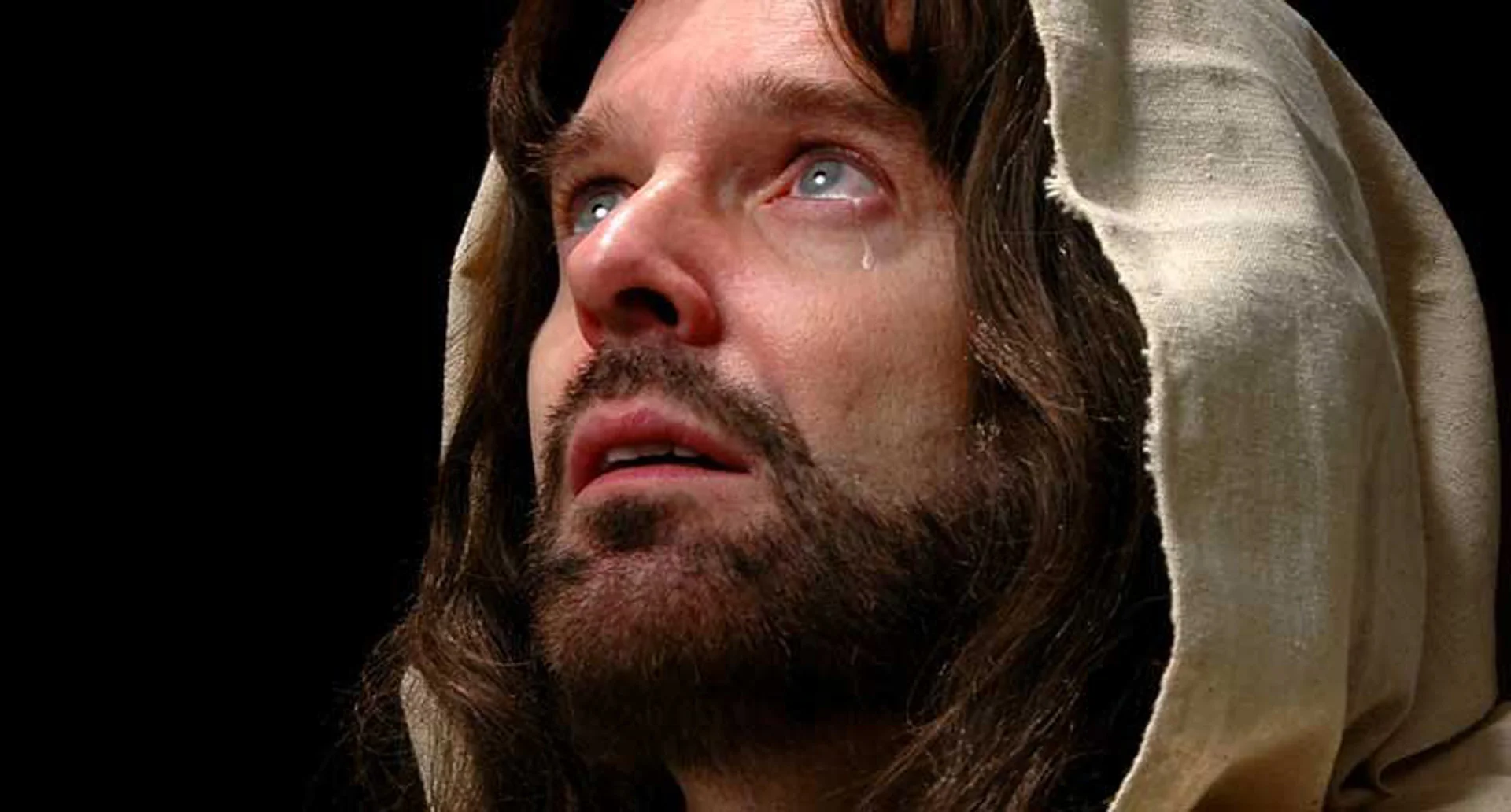
DEAR GOD: Thank You For Your Divine Compassion~

The Bible In Paintings 85: JESUS WEEPS AT LAZARUS' DEATH

“Jesus Wept ” – John 11:35


 The Tears of Christ: A Reflection on Divine Compassion


“Jesus wept.” The shortest verse in the Bible, yet one of the most profound. In just two words, we glimpse the depth of Christ’s love, His empathy, and His shared sorrow with humanity. The moment occurs in Bethany, as Jesus stands before the tomb of His dear friend Lazarus, surrounded by mourning friends and family. Although He knows that Lazarus will soon be raised from the dead, He pauses—not to explain, not to justify, but to weep.

This moment shatters any notion that Christ was distant from human suffering. His tears were not for lack of faith but a demonstration of His deep compassion. They affirm that grief is not weakness, that sorrow is not failure, and that God Himself acknowledges the weight of loss. The Savior of the world did not simply perform miracles—He entered into the pain of those around Him.


Then and Now: What This Means for Us

In Biblical times, weeping was an outward expression of mourning, but Jesus’ tears carried a Divine significance. They were not just for Lazarus—they were for all humanity, for the suffering of a world plagued by sin and death. Even as He stood moments away from reversing death’s grip, He showed that grief is part of the human experience. This moment reveals the heart of God—not a distant ruler, but a compassionate Father who understands and walks alongside His children in sorrow.

Today, this verse remains just as relevant. When we face heartbreak, loss, or uncertainty, we may question whether God sees, whether He cares. But here in John 11:35, we are reminded that He does.

He is not indifferent to our struggles, and His Presence is not just for the triumphant moments—it is for the silent tears, the nights of doubt, the prayers that feel unanswered. Just as He wept for Lazarus, He is near in every sorrow we bear.


Moral & Spiritual Considerations

The tears of Christ teach us that sorrow does not equate to a lack of faith. Grief is natural, and rather than rush past pain, we are called to embrace the Presence of God within it. Our faith does not erase suffering, but it transforms how we experience it—knowing that God does not waste a single tear.

Moreover, Jesus’ weeping calls us to mirror His compassion. How often do we overlook the suffering of others? How often do we rush past someone’s pain, eager for resolution but unwilling to sit in the discomfort of mourning? Christ calls us to weep with those who weep (Romans 12:15), to bear one another’s burdens (Galatians 6:2), and to love as He loved.


Supporting Scriptures:

  • Psalm 34:18 – “The Lord is near to the brokenhearted and saves the crushed in spirit.”
  • Hebrews 4:15 – “For we do not have a high priest who is unable to sympathize with our weaknesses…”
  • Isaiah 53:3 – “He was despised and rejected by men; a man of sorrows, and acquainted with grief…”
  • Revelation 21:4 – “He will wipe away every tear from their eyes, and death shall be no more…”

Meditative Question:

How can I embrace Christ’s compassion in my own life, learning to see sorrow not as something to avoid, but as an opportunity to draw closer to God and to others?


 Prayer:

“Lord, You are the God who weeps. You do not turn away from our suffering, nor do You ask us to bear our burdens alone. In Your tears, we see the depth of Your love—a love that walks with us through every valley, a love that redeems even the darkest moments. Teach us to trust Your Presence in our grief, knowing that no tear is unseen, no sorrow forgotten. Help us to extend Your compassion to others, to sit in the sacred space of mourning without rushing toward answers but simply embracing the power of love. May we never forget that You understand that You care, and that one day, You will wipe away every tear. In the holy name of Jesus, Amen.”

DEAR GOD: You Steady Our Steps in Uncertain Times~

God is My Strength – Word For Life Says…

 Habakkuk 3:19

“The Lord God is my strength, and he will make my feet like hinds’ feet, and he will make me to walk upon mine high places.”


This verse comes from the prophet Habakkuk’s closing words in a prayer spoken during a time of uncertainty and hardship. Despite the challenges surrounding him, Habakkuk does not waver in his faith. Instead, he boldly affirms that God is his strength, the One who sustains and steadies him.

The imagery of hinds’ feet refers to the swift and sure-footed movements of a deer that navigates rocky terrain without stumbling. This powerful metaphor reveals God’s ability to equip us with stability even when life feels treacherous. He does not simply offer strength—He shapes us to endure, giving us the capability to rise above difficulty.

The phrase “walk upon mine high places” signifies elevation beyond struggle. This is not an escape from hardship but a transformation through it. God’s presence enables us to ascend, to walk confidently despite uncertainty, and to remain firm in faith. Habakkuk acknowledges suffering yet responds not with despair but with trust. He believes in a God who secures his steps and lifts him beyond earthly troubles.


Moral Reflections:

  • Where do we place our trust when life becomes unsteady? Do we lean on God for guidance, or do we attempt to steady ourselves?
  • What are the “high places” God might be calling us toward, and how is He preparing us to reach them?
  • Do we praise God in difficult times, believing He is refining us for something greater?

Supportive Scriptures:

  1. Psalm 18:33 — “He maketh my feet like hinds’ feet, and setteth me upon my high places.” This verse reinforces the same imagery, emphasizing God’s provision.
  2. Isaiah 40:29-31 — “He giveth power to the faint; and to them that have no might he increaseth strength.” This passage highlights God’s ability to renew and uplift us.
  3. 2 Corinthians 12:9 — “My grace is sufficient for thee: for my strength is made perfect in weakness.” When we rely on God, His power works through our limitations.

Prayer:

Lord, our steadfast foundation, we come before You with hearts full of trust and gratitude. You are our strength when we falter, our guide when the path is uncertain, and the One who lifts us beyond our struggles. Just as You make the deer agile upon rocky ground, we believe You will steady our steps. Help us to embrace challenges with faith, knowing You are refining us for greater purpose. Teach us to rely not on our own understanding but on Your divine wisdom. May we honor You in every season, walking boldly toward the heights You have prepared. In Jesus’ name, Amen.


 Where in your life do you need God’s strengthening today?

DEAR GOD: You Are The Way, The Truth, & The Life!


Jesus Is the Way, Not the Destination (Christian Living)

  “Jesus told him, ‘I am the way, the truth, and the life. No one can come to the Father except through me.’” John 14:6 (NLT)


The Pathway to Christ: Walking in His Truth and Life

  Jesus’ words in John 14:6 are not just a statement but an invitation, a profound declaration that He alone is the way to God. In a world where many paths claim to offer fulfillment, this truth stands firm. Christ is not merely one of many options—He is the singular road that leads to the Father.

Today, society presents countless distractions, philosophies, and fleeting promises of happiness. Yet none of them can truly satisfy the longing of the soul. True life is found in surrendering to Jesus, accepting His love, and embracing the grace that He freely gives.

Throughout scripture, we see this theme reinforced. Proverbs 3:5-6 teaches us to trust in the Lord and acknowledge Him in all our ways so that He can direct our paths.

Psalm 23:3 reassures us that God leads us in paths of righteousness for His name’s sake.

Matthew 7:13-14 warns us that while the way to life is narrow, it is the road that leads to salvation. These verses confirm that following Christ is not just about belief—it is about walking in obedience, living in faith, and trusting Him entirely.

Living for the Lord today requires intentionality. It means resisting the pressures of cultural influences that distort His truth, prioritizing prayer in daily life, and seeking scripture as the foundation for decisions. It means extending grace, practicing love, and being a living testimony to others who are searching for purpose.

The path to Christ is not found in self-reliance but in surrender, not in fleeting happiness but in eternal joy. Walking this path means embracing righteousness, choosing integrity, and reflecting His love wherever we go.

“LORD –thank You for providing the way to salvation through Your Son, Jesus Christ. I humbly acknowledge that He alone is the truth and the life. Help me resist the distractions of this world and remain firmly rooted in Your promises. Guide my steps, strengthen my faith, and teach me to trust in You above all else. May my life reflect Your love, and may I lead others toward the truth of who You are. In Jesus’ name, Amen.”

Reflective Question- What areas of your life require deeper surrender to Christ? How can you intentionally align your actions, words, and thoughts with His truth each day?

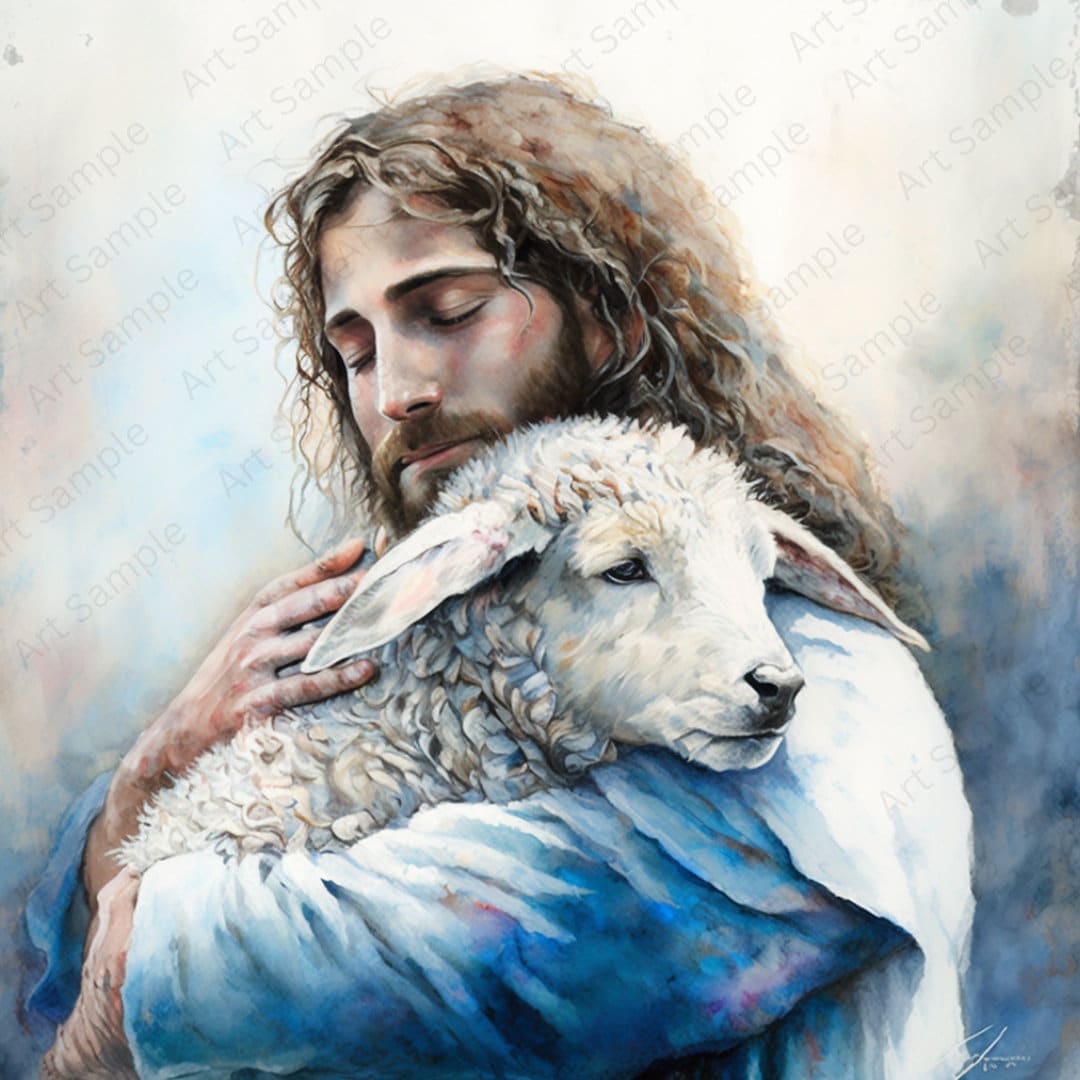
DEAR GOD: May I Stay Safely In Your Loving Embrace~

Christ the Shepherd | Jesus and Lamb | Jesus Painting | Picture of ...

“He shall feed his flock like a shepherd: he shall gather the lambs with his arm, and carry them in his bosom, and shall gently lead those that are with young.” — Isaiah 40:11 (KJV)


  A Shepherd’s Gentle Embrace

  There is a tenderness woven into the imagery of this verse, a promise of divine care that is often overlooked amid the grand declarations of God’s majesty. Here, the Lord is not merely a ruler from afar, nor simply a judge to be feared—He is a Shepherd, intimately engaged with His flock, holding the weakest close to His heart, leading gently those who need extra care.

The depth of this verse invites us to consider the nature of God’s leadership. He is neither forceful nor indifferent. Instead, His strength is mingled with gentleness, His power tempered with compassion. The lambs—those who are young, fragile, or wandering—are not left to struggle alone. He gathers them, not with mere instruction, but with His own arm, embracing them closely and carrying them where their little legs cannot travel on their own.

What a picture of grace! Have you ever felt too weak to continue, too weary to walk another step in faith? This verse reminds us that God does not expect us to move forward on our own strength. He lifts, He carries, He leads gently—not with harsh demands, but with patient guidance.

This echoes the heart of Jesus, who, in His earthly ministry, declared, “I am the good shepherd: the good shepherd giveth his life for the sheep” (John 10:11). The same God who cradled His flock in Isaiah is revealed in Christ, the Shepherd who laid down His life for us. There is no distance between the Old Testament promise and the New Testament fulfillment—God has always been a Shepherd, seeking the lost, carrying the weak, guiding the willing.

In a world of hurried expectations and relentless pressures, it is easy to forget that God leads gently. He understands the burdens we carry, the exhaustion that slows our steps, the uncertainty that makes moving forward seem impossible. And yet, His promise remains—He will carry us, not merely direct us from afar. He will pull us close, not let us drift aimlessly.

Psalm 23:1 beautifully complements this truth: “The Lord is my shepherd; I shall not want.” With Him, there is no lack, no abandonment, no rejection—only a steadfast presence, a loving embrace, and a patience that meets us where we are.

 “My LORD – Loving Shepherd, thank You for carrying me when I am weak, for holding me close when I am afraid, for leading me gently when my steps falter. Teach me to trust Your embrace, to rest in Your care, to follow Your guidance without fear. May I never forget that Your strength is kind, Your leadership tender, and Your love unwavering. Lead me, O Lord, and let me dwell always in the safety of Your arms. In Jesus’ name, Amen.”


When have you felt the Shepherd carrying you through life’s trials?


DEAR GOD: Our Unchanging Redeemer Who Triumphs Forever~

God is Unchanging - Faithlife Sermons

“For I know that my redeemer liveth, and that he shall stand at the latter day upon the earth:” –Job 19:25


“For I know that my redeemer liveth, and that he shall stand at the latter day upon the earth.” This verse is a timeless declaration of hope and faith in the midst of suffering. Job, though surrounded by unimaginable losses and despair, boldly proclaims his belief in a living Redeemer—a powerful testimony to the enduring strength of faith. The concept of a Redeemer resonates throughout Scripture, revealing God’s plan of salvation and His deep love for humanity.

In Job’s time, the Redeemer represented one who would rescue, restore, and defend—a figure who fights for justice and vindicates the oppressed. In the broader biblical narrative, this Redeemer is fulfilled in Jesus Christ, who lives and reigns eternally. Christ embodies the role of the Redeemer by offering deliverance from sin, conquering death, and providing eternal life to all who trust in Him. The phrase “he shall stand at the latter day upon the earth” points to the ultimate victory of Christ, where He will reign supremely and vindicate His people.

This declaration invites us to meditate on the assurances found in other scriptures. Isaiah 44:6 echoes this sentiment: “I am the first and I am the last; apart from me there is no God.” Similarly, 1 Corinthians 15:20-22 proclaims Christ’s resurrection: “But Christ has indeed been raised from the dead, the firstfruits of those who have fallen asleep.” These verses collectively affirm that our Redeemer is alive, eternal, and triumphant.


Living Out the Truth

To live out Job 19:25, we must anchor our hope in the knowledge that our Redeemer lives and remains faithful. It means trusting God during life’s hardships, reflecting on His promises, and celebrating His grace even when circumstances challenge our faith. In practical terms, this can be done through intentional gratitude—finding moments each day to thank God for His provision. It involves sharing the hope of Christ with others, just as Job’s words inspire countless believers. Acts of compassion, serving those in need, and forgiving as Christ forgave also reflect the heart of the Redeemer.


Consider Job’s story: though he faced physical suffering, relational loss, and accusations from friends, his faith remained steadfast. When trials come, we can choose to respond like Job—acknowledging our pain yet affirming our trust in God’s unchanging character. This kind of faith declares, even in darkness, “I know that my Redeemer lives.”


Moral Reflections

Job’s confidence in the Redeemer challenges us to examine the foundations of our faith. Are we placing our hope in temporary comforts or eternal truths? This verse reminds us that God’s presence is the ultimate reassurance, outweighing even the fiercest storms. It compels us to honor God by living lives of integrity, gratitude, and humility, knowing He has redeemed us with purpose.

As Christians today, we worship the same God Job revered—the living Redeemer whose love transcends time. Let us honor Him by embracing the assurance that He is alive and standing on our behalf. This faith unites us with believers of every generation, forming a bond that connects the worshippers of biblical times to the Christians of today.


 “Dear Redeeming Lord, we praise You for Your eternal Presence and unending love. You are our anchor in stormy seas and our hope in life’s uncertainties. Teach us to live in the assurance that You are alive and reigning, guiding us through every challenge. May our lives reflect Your grace and truth, and may we honor You through our words and actions. Let us stand firm in faith, knowing You are our Redeemer, yesterday, today, and forever. In Jesus’ name, Amen.


Reflective Questions

  1. How can you remind yourself daily that your Redeemer is alive and active in your life?
  2. In what ways can your life reflect the hope and confidence that Job displayed?
  3. How does trusting in a living Redeemer transform the way you face challenges or show love to others?

DEAR GOD: Your Riches In Glory Be My Peace~

Christ The Light Of The World

“But my God shall supply all your need according to his riches in glory by Christ Jesus.” – Philippians 4:19


Riches of Glory in Christ


Philippians 4:19 serves as a testament to God’s unfailing provision and abundant grace. This verse is not merely a promise; it is a declaration of God’s character—His desire to meet every need of His children according to His infinite riches. Notice the emphasis here: “according to his riches in glory by Christ Jesus.” The source of our provision is not limited by earthly constraints but drawn from the vast storehouses of God’s glory, channeled through the person of Jesus Christ.

This truth confronts a world where scarcity and fear often dominate. As Christians, we have the inherent right to trust in God’s provision—not just for physical needs, but also for spiritual strength, emotional renewal, and divine guidance. Just as God supplied manna in the wilderness to Israel and multiplied loaves and fishes for the multitude, His hand remains steadfast in caring for us today. His riches do not dwindle; they overflow.

Reflecting on this verse, the provision of God is deeply tied to His promise and love for us. Romans 8:32 reminds us, “He that spared not his own Son, but delivered him up for us all, how shall he not with him also freely give us all things?” If God did not withhold His own Son from us, we can be assured that every other need will be met. This assurance doesn’t mean we’ll always receive what we want, but it guarantees that God will supply exactly what we need to fulfill His will in our lives.

Consider the testimony of God’s faithfulness in your own life—the moments when provision seemed impossible, yet His hand moved. Perhaps it was a breakthrough in a dire situation, an answered prayer at just the right moment, or an unexpected blessing that filled your heart with gratitude. These testimonies are not isolated incidents; they are glimpses of the richness of His glory actively working in your life.

God’s provision also speaks to His love for His people. Psalm 23:1 declares, “The Lord is my shepherd; I shall not want.” This isn’t a passive statement but a bold proclamation of trust. The Good Shepherd cares for His sheep with meticulous attention, ensuring they lack nothing essential to their journey.

Finally, our responsibility as Christians is to live in faith and obedience, acknowledging that God’s riches are tied to His purpose for our lives. Luke 12:31 reminds us, “But rather seek ye the kingdom of God; and all these things shall be added unto you.” When we align our hearts with His kingdom, we unlock the fullness of His promises and provision.


Prayer: Heavenly Father, we thank You for Your boundless provision and grace. You know every need before we ask, and You supply abundantly from the riches of Your glory. Teach us to trust in Your promise, to walk in faith, and to rely on Your love even in times of uncertainty. May we be a testimony of Your goodness, sharing Your blessings with others and glorifying Your name. Let our lives reflect the abundance of Christ Jesus, in whom we find all we need. In Jesus’ name, Amen.


Reflective Question: How can you deepen your trust in God’s provision and align your needs with His purpose for your life?


Supportive Scriptures:

  • Matthew 6:33: “But seek ye first the kingdom of God, and his righteousness; and all these things shall be added unto you.”
  • Psalm 34:10: “The young lions do lack, and suffer hunger: but they that seek the Lord shall not want any good thing.”
  • 2 Corinthians 9:8: “And God is able to make all grace abound toward you; that ye, always having all sufficiency in all things, may abound to every good work.”
  • Proverbs 10:22: “The blessing of the Lord, it maketh rich, and he addeth no sorrow with it.”

May this reflection on God’s Word in scriptures and in our faith as Christians inspire you to rest in the assurance of God’s unwavering care and abundant blessings.

DEAR GOD: You Are My Inspired Hope & Eternal Light~

God's Light Of Hope Free Stock Photo - Public Domain Pictures

“To whom God would make known what is the riches of the glory of this mystery among the Gentiles; which is Christ in you, the hope of glory: Whom we preach, warning every man, and teaching every man in all wisdom; that we may present every man perfect in Christ Jesus:” –Colossians 1:27-28


The Apostle Paul’s words in Colossians 1:27-28 are both profound and foundational for understanding the scope of the Gospel. He unveils a divine mystery that had been concealed for ages but is now revealed to the Gentiles: “Christ in you, the hope of glory.” This phrase encapsulates the richness of God’s plan for humanity—a plan that transcends ethnicity, societal divisions, and historical boundaries.


Intelligent Analysis and Insights

The “mystery” Paul refers to is not enigmatic in the sense of being obscure or unknowable. Instead, it is a truth previously hidden in God’s eternal plan, now made manifest through Christ. The core of this mystery is the indwelling presence of Christ in the believer—a radical concept that signifies unity with the Creator. To the Jewish audience, the idea of God dwelling personally within each individual would have been revolutionary. To the Gentiles, it was an invitation into an inheritance once thought exclusive to Israel.

“Christ in you” underscores the intimate relationship believers have with Christ. It moves beyond the external observances of religion and speaks to a transformation from within, where Christ empowers, sustains, and sanctifies. This indwelling presence is not merely a theological concept—it is the source of “the hope of glory.” This hope is not wishful thinking but confident assurance of eternal fellowship with God, grounded in His promises.

The subsequent verse provides the practical outworking of this mystery. Paul outlines his ministry’s purpose: proclaiming Christ, admonishing all people, and teaching them in wisdom. His ultimate goal is lofty yet attainable—to present every person perfect (complete) in Christ. This perfection is not sinless but rather maturity, a state of fullness in spiritual growth and understanding.

Moral Lessons and Thoughts


From this passage, several moral lessons emerge:

  1. Unity in Christ: The Gospel breaks down barriers and extends salvation to all—Jew and Gentile alike. As followers of Christ, we are called to embody this unity, rejecting divisions and embracing the richness of diversity in the body of Christ.
  2. Purposeful Living: Paul’s dedication to teaching and warning speaks to the need for intentional discipleship. We too must strive to guide others in wisdom, cultivating spiritual growth and maturity.
  3. Hope Anchored in Christ: True hope is not tied to circumstances but rooted in the unchanging promises of God. As believers, we can live courageously and confidently, knowing that glory awaits.

Supportive Scriptures

  • Romans 8:10: “And if Christ be in you, the body is dead because of sin; but the Spirit is life because of righteousness.”
  • Ephesians 3:17-19: “That Christ may dwell in your hearts by faith; that ye, being rooted and grounded in love, may be able to comprehend with all saints what is the breadth, and length, and depth, and height; And to know the love of Christ, which passeth knowledge.”
  • 2 Corinthians 4:6: “For God, who commanded the light to shine out of darkness, hath shined in our hearts, to give the light of the knowledge of the glory of God in the face of Jesus Christ.”

Reflective Questions

  1. How does the truth of “Christ in you” shape your daily decisions and interactions with others?
  2. In what ways do you actively nurture your relationship with Christ to experience the fullness of His presence?
  3. How can you better reflect the hope of glory to those around you, especially during challenging times?

Prayer

Heavenly Father, We praise You for the mystery revealed—Christ dwelling within us, the hope of glory. May this truth anchor our hearts, guiding us through every trial and triumph. Teach us to live purposefully, proclaiming Your Gospel with wisdom and love. Transform us into vessels of Your grace, presenting us mature in Christ Jesus. Strengthen our faith, deepen our understanding, and help us to reflect Your light in all we do. Amen.


Meditative Thought for the Day

Christ in you—the divine presence that changes everything. Let this truth fill your heart with confidence, illuminate your path with hope, and inspire your actions with purpose.


Blessing

May the richness of His glory dwell in you, Camille, bringing hope, peace, and joy to every corner of your life. As you walk in the wisdom and strength of Christ, may you grow in maturity and reflect His love to all you encounter. Be blessed in the fullness of His promises. Amen.


This reflection, built upon God’s Word, seeks to deepen understanding and inspire faith. What resonates with your heart today my brothers and sisters?

DEAR GOD: Thank You For Redeeming Us For Eternity

"WE ARE REDEEMED........."REDEMPTION: That which was once owned, LOST ...

 “Thus saith the LORD, I have redeemed thee, called thee by name; thou art mine.” – Isaiah 43:1 (KJV)


The Redemption That Claims Our Souls

  What a declaration of love and belonging—a redemption so profound that the Creator Himself calls us by name. This is no generic salvation, no transaction conducted with indifference, but an intimate act of grace. When the LORD says, “Thou art mine,” He speaks to the deepest cries of the human heart: the longing to belong, to be cherished, and to be known.

The word “redeemed” in this context carries the weight of release from bondage. It signifies a spiritual emancipation that could not be purchased with corruptible things but only with the life of the spotless Lamb. Our freedom was wrought by the One who, in His sovereignty, stooped to bear our infirmities and transgressions. He did not merely save us from something; He saved us for something—communion with Him, now and forever.


Scripture resounds with the melody of redemption.

  • “I will ransom them from the power of the grave; I will redeem them from death” (Hosea 13:14).
  • “Let the redeemed of the LORD say so, whom he hath redeemed from the hand of the enemy” (Psalm 107:2).

These truths reveal that redemption is both an act of divine will and love. It is a rescue mission of cosmic proportions, executed with precision and sealed with the blood of Christ. And yet, this act of grace demands a response. How do we live as people who have been claimed by God Himself? How do we honor the One who exchanged His glory for our filth so that we might wear His righteousness?


Moral Thoughts: Redemption calls us to recognize our worth in the eyes of God, not in fleeting achievements or external validation. It invites us to live lives marked by gratitude, purity, and purpose. Every redeemed soul becomes an echo of God’s love, a witness to the world that true freedom is found in Christ alone.


Reflective Questions:

  • How does the assurance of being called by name transform your perspective on life?
  • In what ways can you actively reflect the redemptive love of God in your community?

“Dear Holy Redeemer, merciful Savior, Lord of glory, giver of peace, author of grace, keeper of promises, light of truth, ransomer of souls, King eternal, anchor of hearts, call us by name, lead us to Your love, seal us in Your redemption.  In Jesus name, Amen.”