
DEAR GOD: May We Always Honor & Serve You Humbly~

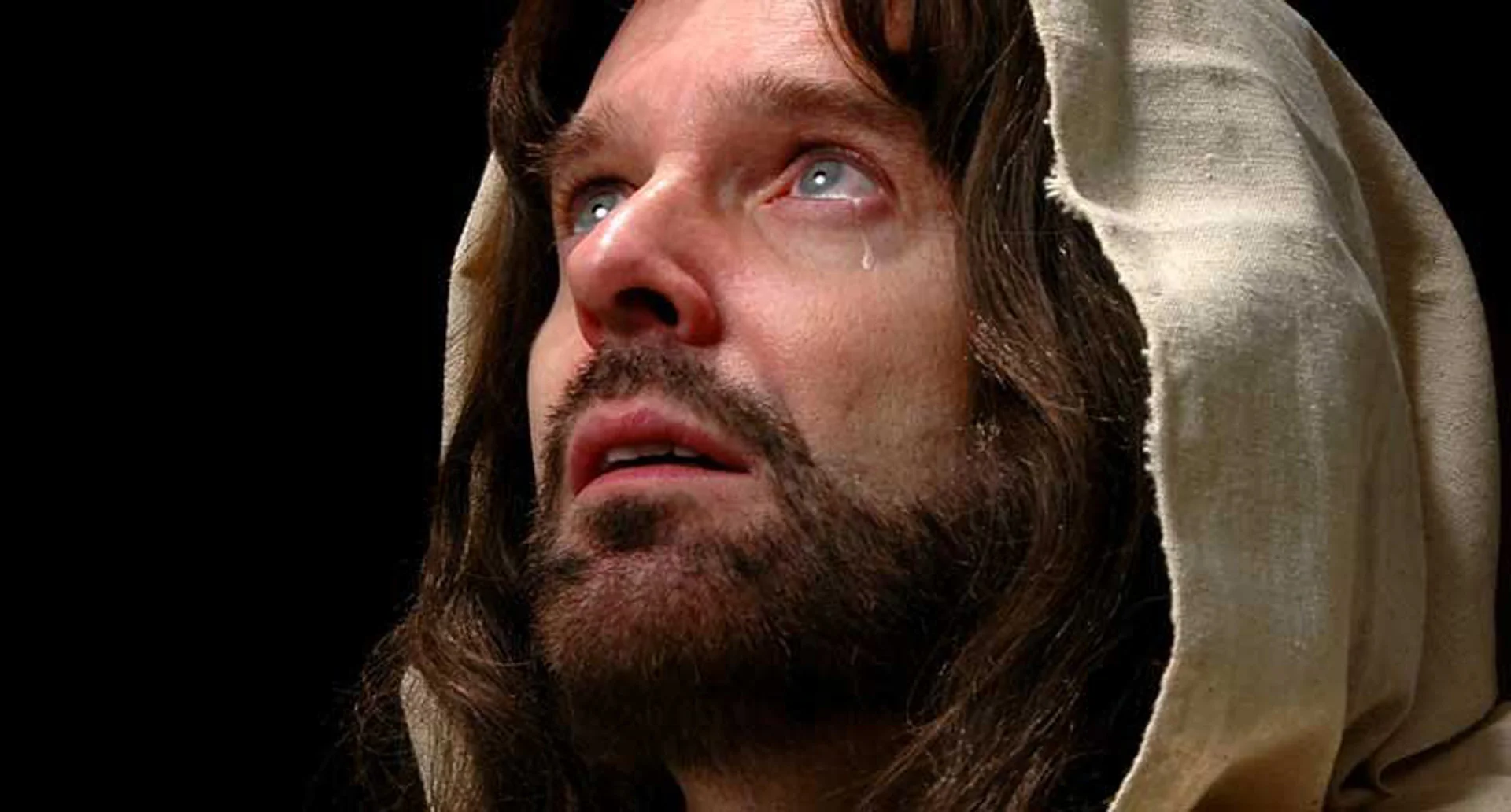
Being Humble: Why It’s Important to God | Inspiration TV

“But sanctify the Lord God in your hearts: and be ready always to give an answer to every man that asketh you a reason of the hope that is in you with meekness and fear:” -1 Peter 3:15


The verse in the ESV reads: “But in your hearts honor Christ the Lord as holy, always being prepared to make a defense to anyone who asks you for a reason for the hope that is in you; yet do it with gentleness and respect.”

This verse reflects the Apostle Peter’s encouragement to believers to live in such a way that their hope in Christ becomes a visible, undeniable reality to those around them. Peter emphasizes the importance of sanctifying or honoring Christ as Lord in our hearts. This act of consecration ensures that all our actions, words, and motives flow from a place of deep, personal reverence for God. When Christ reigns in our hearts as holy, our lives are naturally marked by humility and purpose, aligning with God’s will rather than worldly pursuits.

The instruction to “be ready to make a defense” underscores the importance of preparedness in articulating one’s faith. It does not demand eloquence or debate prowess but a sincere readiness to share the foundation of the hope found in Jesus Christ. This “hope” is the assurance of salvation, eternal life, and the unwavering promises of God through the gospel. Importantly, this defense must always be given with gentleness and respect—reflecting the character of Christ and ensuring that our witness does not drive others away from the truth.

Peter’s words here also confront the temptation to serve self over God. As Christians, the call to serve humbly and fully is evident throughout Scripture. Romans 12:1 reminds believers to present their bodies as living sacrifices, holy and pleasing to God, while Colossians 3:23-24 urges us to work heartily, as for the Lord. Serving God’s purpose means surrendering personal agendas and ambitions, seeking instead to glorify Him in all we do.

Biblical Analysis and Historical Perspective:

1 Peter 3:15 was written to encourage the scattered and often persecuted believers of Asia Minor (modern-day Turkey). Peter’s audience faced hostility for their faith, and this letter offers them both practical and spiritual guidance for enduring suffering while remaining faithful witnesses to Christ. In this context, “sanctifying Christ in your hearts” served as a reminder to prioritize allegiance to Christ over fear of man, even in the face of persecution.

From a biblical perspective, this verse echoes the charge given to Israel in Isaiah 8:13, where the prophet says, “But the Lord of hosts, him you shall honor as holy. Let him be your fear, and let him be your dread.” Both passages call for steadfast devotion to God, setting Him apart in one’s heart as supreme over all fears and uncertainties.

Historically, the early church was heavily scrutinized by Roman society, which often misunderstood and mischaracterized Christian beliefs. In this environment, the ability to explain the hope of the gospel with clarity and respect became a critical part of evangelism. Peter’s instruction continues to resonate today, reminding Christians to engage the world with truth and grace, even when facing opposition.

Reflective Questions:

  • How can I honor Christ as holy in my everyday decisions and relationships?
  • Am I prepared to share the hope I have in Christ? If not, what steps can I take to deepen my understanding of the gospel?
  • Do I approach others with gentleness and respect, even when they challenge or question my faith?
  • In what ways can I ensure that my service to God is driven by humility and a genuine desire to glorify Him, rather than seeking personal recognition?

Being a Christian and Serving God Humbly:

To be a Christian is to live as a servant of Christ, seeking His glory above all else. It is a daily act of surrender, acknowledging that we are not our own but belong to God. Jesus Himself modeled this humility, as seen in Philippians 2:5-8, where He humbled Himself by taking on human form and becoming obedient to the point of death. This example calls us to a life of selflessness and dedication, pouring out our time, talents, and treasures for God’s purposes.

Serving God fully requires aligning every aspect of our lives with His will. Whether in the workplace, at home, or in our communities, we are called to be ambassadors for Christ, reflecting His love and truth. This demands a shift from self-centered living to God-centered living, where our choices and actions are guided by what pleases Him. It is not about earning favor or recognition but offering our lives as a testament to His grace.

Humble service also means recognizing that all we have—our abilities, resources, and even our breath—is a gift from God. As 1 Corinthians 10:31 reminds us, “So, whether you eat or drink, or whatever you do, do all to the glory of God.” Every task, no matter how mundane, becomes an opportunity to honor Him when done with a heart focused on His kingdom.

A Prayer:

Heavenly Father, we come before You in humility, acknowledging that You alone are holy and worthy of all honor. Teach us to sanctify You in our hearts, placing You above all else in our lives. Help us to always be ready to share the hope we have in You with gentleness and respect, reflecting Your love to a world in need. Strengthen us to serve You faithfully, not for recognition but for Your glory, and guide us in aligning our lives with Your purpose. May Your Word dwell richly in us, equipping us for every good work You have prepared for us. In Jesus’ name, we pray, Amen.

A Blessing and Meditative Verse for the Day:

May the Lord bless you and keep you; may He make His face shine upon you and be gracious to you. May He fill your heart with His peace and your life with His purpose as you walk in faithful obedience to Him.

“Trust in the LORD with all your heart, and do not lean on your own understanding. In all your ways acknowledge Him, and He will make straight your paths.” — Proverbs 3:5-6 (ESV)

DEAR GOD: Walking with Christ My Shepherd~

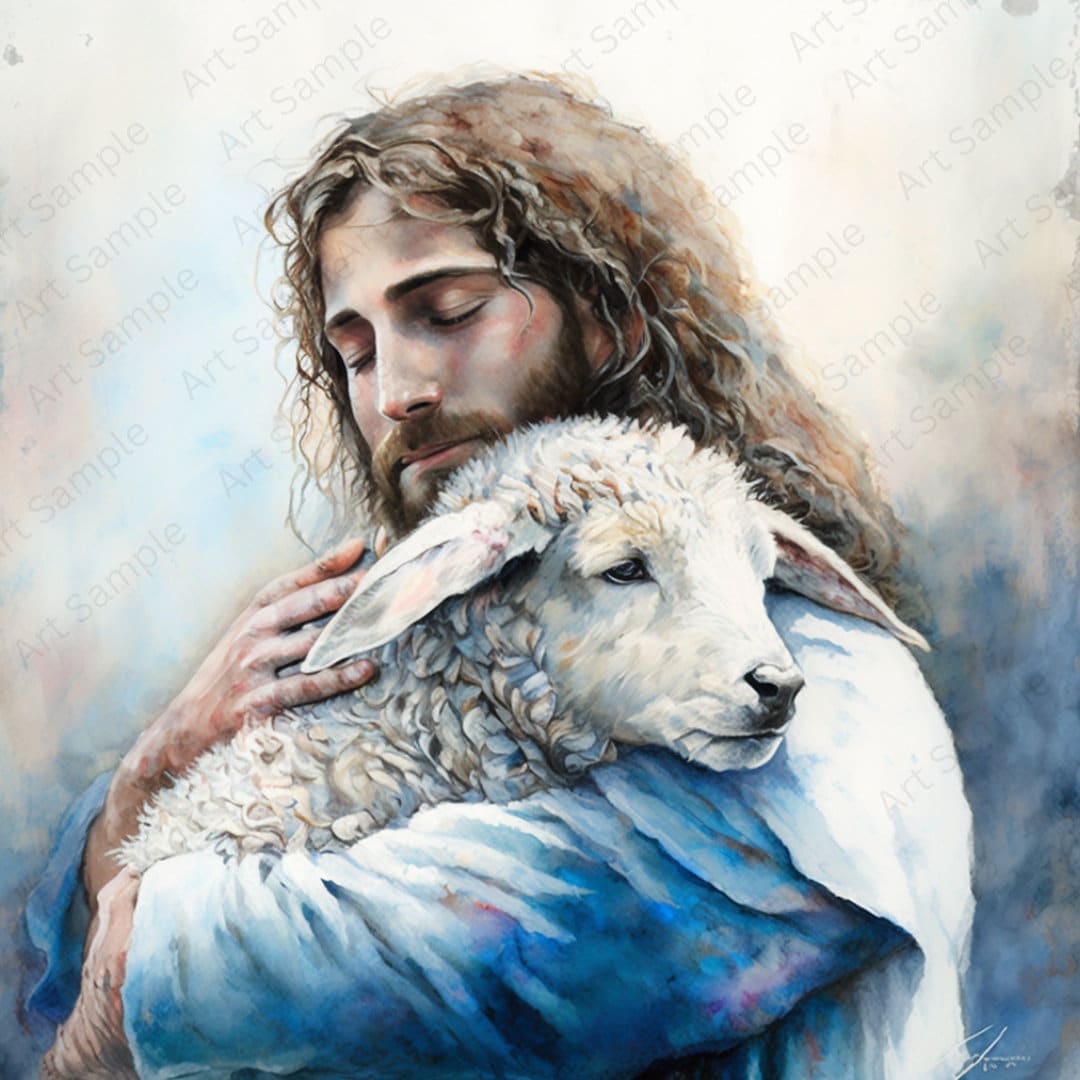
Jesus Wallpapers HD - Wallpaper Cave

Walking with Christ: His Spirit and Guidance

And I will ask the Father, and he will give you another Helper, to be with you forever, even the Spirit of truth, whom the world cannot receive, because it neither sees him nor knows him. You know him, for he dwells with you and will be in you.” — John 14:16-17 (ESV)


The essence of Christ’s ministry was not merely His words or miracles, but the gift He left behind: the Holy Spirit. This “Helper,” as Jesus called Him, is a guide, comforter, and source of power for believers. Christ’s Spirit doesn’t just dwell in a faraway realm but is present within us, transforming our lives daily.

The Spirit as a Guide

Christ promised His Spirit to lead us in truth and righteousness. When we face moral dilemmas, uncertainties, or trials, the Spirit provides wisdom and discernment. For example, in moments where our path seems unclear, Paul’s words in Galatians 5:16 resonate: But I say, walk by the Spirit, and you will not gratify the desires of the flesh.” (ESV). Through the Spirit, we are invited to live a life that reflects Christ’s example—humble, loving, and selfless.

Reflective questions:

  • Are there areas in your life where you’ve relied on your own understanding instead of seeking the Spirit’s guidance?
  • How do you actively listen for the Spirit’s leading in your daily choices?

The Spirit’s Transforming Power

The Spirit works to mold us into the likeness of Christ. This transformation is not instantaneous but a lifelong process, as described in 2 Corinthians 3:18: “And we all, with unveiled face, beholding the glory of the Lord, are being transformed into the same image from one degree of glory to another. For this comes from the Lord who is the Spirit.” (ESV).

It’s through this transformation that we bear the fruits of the Spirit—love, joy, peace, patience, kindness, goodness, faithfulness, gentleness, and self-control (Galatians 5:22-23). Each fruit reflects Christ’s character and draws us closer to God and to one another.

Reflective questions:

  • What fruit of the Spirit do you see most evident in your life? Which one do you feel called to cultivate more deeply?
  • How can the Spirit’s transforming work equip you to serve others?

Christ’s Spirit in Community

The Spirit not only guides and transforms us individually but also unites us as a body of believers. In Ephesians 4:3-4, Paul urges us to maintain unity: “eager to maintain the unity of the Spirit in the bond of peace. There is one body and one Spirit—just as you were called to the one hope that belongs to your call.” (ESV). The Spirit enables us to love one another despite our differences and to work together for the Kingdom of God.

Reflective questions:

  • How does the Spirit prompt you to foster unity within your community of faith?
  • Are there relationships in your life where you need the Spirit’s help to restore peace and understanding?

A Prayer for Guidance

“Heavenly Father, Thank You for the gift of Your Spirit, who dwells within us and guides us in all truth. Open our hearts to hear His voice and to follow His leading. Transform us into the image of Christ, that we may reflect Your love and grace in all we do. Unite us as one body, empowered by Your Spirit to serve You and others faithfully. May Your Spirit renew us daily, filling us with joy, peace, and strength. In Jesus’ name, Amen.”

The Spirit of Christ is not distant or impersonal but deeply involved in every aspect of our lives. When we surrender to His guidance, we find clarity in confusion, strength in weakness, and hope in despair. May you walk closely with Christ, empowered and guided by His Spirit, each day.


God Bless You All~

DEAR GOD: Help Us Follow Your Commandments Every Day~

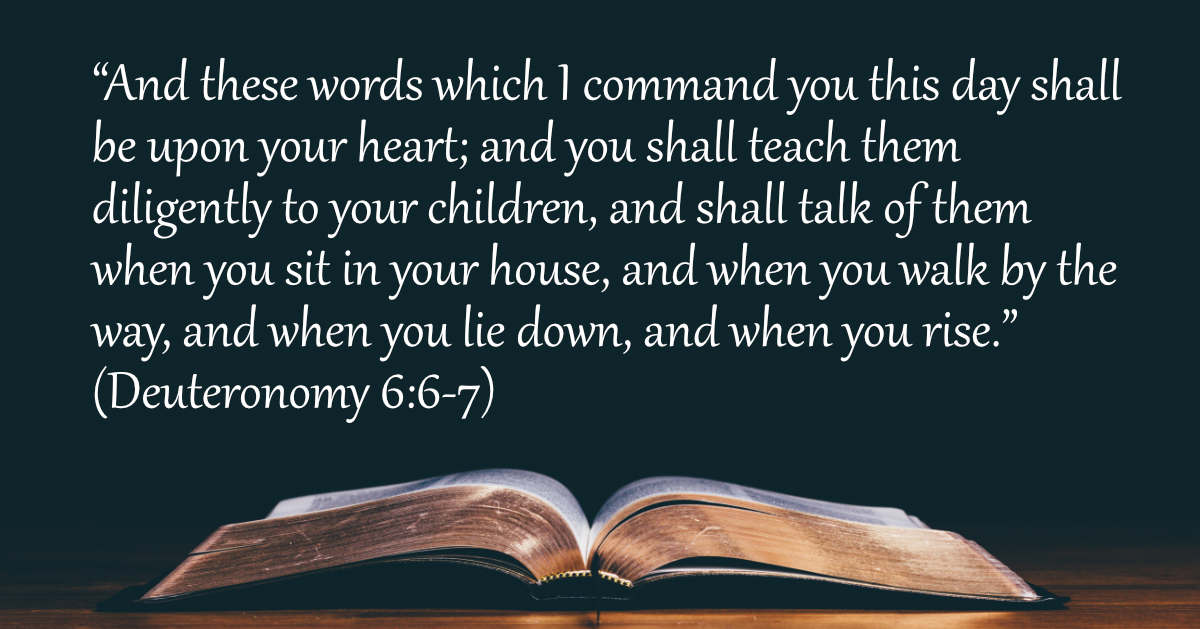
Your Daily Bible Verses — Deuteronomy 6:6-7 — Integrated Catholic Life™

This passage, drawn from Deuteronomy 6:6-7 , reveals the profound responsibility and joy of keeping God’s Word at the very center of our lives. It calls us to embed His commandments within our hearts, shaping our thoughts, actions, and conversations every moment of every day. As we sit in our homes, walk along life’s paths, rise in the morning, and rest at night, our lives become living testimonies of His truth. By teaching diligently and speaking of His Word at every opportunity, we foster not only our spiritual growth but also that of those entrusted to us, particularly our children.

This passage urges us to make the Word of God more than a Sunday ritual—it should be the rhythm of our lives. Just as we breathe without thought, so must we immerse ourselves in His teachings, allowing them to guide us in decision-making, inspire us in difficulties, and fill us with hope and wisdom. The commitment to this practice has eternal benefits; it deepens our relationship with God today and aligns us with His purpose, ensuring everlasting fellowship with Him.

Supporting Scriptures:

  1. Psalm 119:11 (ESV) – “I have stored up your word in my heart, that I might not sin against you.”
  2. Proverbs 22:6 (ESV) – “Train up a child in the way he should go; even when he is old he will not depart from it.”
  3. Colossians 3:16 (ESV) – “Let the word of Christ dwell in you richly, teaching and admonishing one another in all wisdom.”

Moral Thoughts and Takeaways:

  • God’s Word is more than a guide—it’s a lifeline, a source of strength, clarity, and peace.
  • Our homes and our hearts should reflect His presence, creating an atmosphere of love and learning.
  • The benefits of a life rooted in God’s Word are immeasurable, bringing us daily joy and equipping us for eternity.

Reflective Questions:

  1. How often do I allow God’s Word to shape my decisions and attitudes?
  2. Am I creating opportunities to teach and discuss God’s truth with those around me?
  3. What steps can I take to ensure that His commandments remain central in every aspect of my life?

Biblical Analysis Overview: This passage belongs to the Shema, a central declaration of the faith of Israel, emphasizing love for God and obedience to His Word. It highlights not only personal devotion but also communal responsibility. The command to teach children reflects the generational blessing of faithfulness, anchoring future generations in God’s truth.

Practical Application as Christians: We can incorporate these principles into our daily lives by:

  • Beginning each day with scripture and prayer.
  • Sharing meaningful biblical reflections with family or friends during meals or casual conversations.
  • Keeping visible reminders of God’s Word, such as scripture art or note cards, in our homes and workplaces.
  • Modeling Christ-like behavior in our interactions with others.

Prayer: Heavenly Father, we thank You for Your Word that gives life, wisdom, and guidance. Help us to treasure it in our hearts and weave it into every moment of our lives. Grant us the diligence to teach Your commandments to others, especially our children, and the courage to walk in Your ways at all times. May we be lights in the world, reflecting Your truth and love to all we encounter. In Jesus’ name, Amen.

Scripture to Meditate On:
Your word is a lamp to my feet and a light to my path. – Psalm 119:105 (ESV)

Blessing for the Reader:

May God’s Word dwell richly in your heart, guiding your steps and filling you with His peace and joy. May your life bear abundant fruit, and may His promises bring you strength today and a glorious hope for eternity. Amen.

Pin on God's word

DEAR GOD: In You I’m Strong & Have Courage~

Choose Courage over Comfort — Actionalyze

 “Have not I commanded thee? Be strong and of a good courage; be not afraid, neither be thou dismayed: for the LORD thy God is with thee whithersoever thou goest.” – Joshua 1:9 (KJV)

Joshua 1:9 is a powerful and uplifting verse that speaks to the heart of courage and faith. It comes at a pivotal moment when Joshua is about to lead the Israelites into the Promised Land after Moses’ death. This command from God is not just an encouragement; it is a Divine imperative that carries profound significance for both Joshua and believers today.

Biblical Analysis Overview:

  1. Divine Command: The verse begins with a rhetorical question, “Have not I commanded thee?” emphasizing that the instruction to be strong and courageous comes directly from God. This Divine command highlights the authority and assurance that comes from God’s words.
  2. Strength and Courage: The call to be strong and courageous is a recurring theme in the Bible, particularly in the context of facing formidable challenges. Strength here refers to inner fortitude, while courage refers to the absence of fear in the face of danger or uncertainty.
  3. Absence of Fear and Dismay: God instructs Joshua not to be afraid or dismayed. Fear and dismay can paralyze and hinder the fulfillment of God’s plans. By removing these, believers can fully trust in God’s provision and guidance.
  4. God’s Presence: The assurance that “the LORD thy God is with thee whithersoever thou goest” is the cornerstone of this verse. God’s omnipresence means that Joshua, and by extension all believers, are never alone. This presence is a source of comfort, strength, and guidance.

Moral Thoughts and Takeaways:

  1. Faith in Divine Guidance: Joshua’s task was monumental, but his success was anchored in his obedience to God’s command and his unwavering faith in God’s presence. Believers are reminded to trust in God’s guidance in all aspects of life.
  2. Overcoming Fear with Faith: Fear is a natural human response, but this verse encourages believers to overcome fear by relying on God’s promises. Courage is not the absence of fear but the triumph over it through faith.
  3. God’s Ever-Present Help: The promise of God’s Presence is not limited to Joshua; it extends to all who believe. In every situation, no matter how daunting, God’s Presence provides peace and assurance.
  4. Steadfast Obedience: Just as Joshua was commanded to be strong and courageous, believers are called to steadfastly obey God’s commands, trusting that His plans are for their good.

Reflective Questions:

  1. In what areas of your life do you need to be reminded of God’s command to be strong and courageous?
  2. How can you actively overcome fear and dismay in your daily walk with God?
  3. In what ways have you experienced God’s presence guiding and comforting you in challenging times?
  4. How can you cultivate a deeper trust in God’s promises and guidance?

Supportive Scripture:

  1. Deuteronomy 31:6: “Be strong and of a good courage, fear not, nor be afraid of them: for the LORD thy God, he it is that doth go with thee; he will not fail thee, nor forsake thee.”
  2. Isaiah 41:10: “Fear thou not; for I am with thee: be not dismayed; for I am thy God: I will strengthen thee; yea, I will help thee; yea, I will uphold thee with the right hand of my righteousness.”
  3. Psalm 27:1: “The LORD is my light and my salvation; whom shall I fear? The LORD is the strength of my life; of whom shall I be afraid?”
  4. Philippians 4:13: “I can do all things through Christ which strengtheneth me.”

Prayer:

“LORD, as we reflect on Your command to be strong and of a good courage, we ask for Your strength to fill our hearts. Help us to overcome fear and dismay, knowing that You are with us whithersoever we go. Guide us, LORD, in every step we take. May Your Presence be our source of comfort and assurance, especially in times of uncertainty and challenge. Teach us to trust in Your promises and to walk in steadfast obedience to Your will. We lift our hearts in praise and gratitude, confident that Your plans for us are good, and Your love is everlasting. Keep us strong in faith and courageous in spirit, that we may fulfill the purpose You have set before us. In Jesus’ name, Amen.”

Courage Word Cloud Image & Photo (Free Trial) | Bigstock

DEAR GOD: Your Ways Are Higher Than Ours: Teach Us~

God’s Way is Better – Bible Verse of the Day


“For my thoughts are not your thoughts, neither are your ways my ways, saith the LORD. For as the heavens are higher than the earth, so are my ways higher than your ways, and my thoughts than your thoughts.” –

Isaiah 55:8-9 


Isaiah 55:8-9 is a profound passage that highlights the vast difference between human understanding and God’s divine wisdom. It reminds us of the limitations of our human perspective and the infinite wisdom of God. Let’s explore this verse in depth, considering its impact on biblical times and its relevance to our daily lives today.

The Historical and Biblical Context

In the Book of Isaiah, the prophet Isaiah is addressing the people of Israel during a time of hardship and exile. The Israelites were struggling to understand their suffering and the unfolding of God’s plans. This verse is a part of a larger passage where God is inviting the people to seek Him, trust His ways, and find peace in His promises.

During biblical times, this message would have been a source of comfort and encouragement. It reassured the Israelites that despite their struggles, God’s plans were beyond their comprehension, and His intentions were for their ultimate good.

Examples of Biblical Characters

  1. Joseph: Joseph’s life journey, from being sold into slavery by his brothers to becoming the second-in-command in Egypt, is a testament to God’s higher ways. Despite the trials and injustices Joseph faced, he remained faithful to God. In the end, Joseph recognized God’s purpose in his suffering, as he said to his brothers, “But as for you, ye thought evil against me; but God meant it unto good, to bring to pass, as it is this day, to save much people alive” (Genesis 50:20, NKJV).
  2. Job: Job’s story is another powerful example. Job endured immense suffering and loss, questioning God’s reasons but ultimately accepting His sovereignty. God’s response to Job, highlighting the vastness of His creation and wisdom, underscores the message of Isaiah 55:8-9. Job’s eventual restoration and deeper understanding of God reflect the profound truth that God’s ways are beyond human comprehension (Job 38-42).
  3. Mary, the mother of Jesus: When the angel Gabriel announced to Mary that she would conceive Jesus, the Son of God, her life took an unexpected turn. Despite her initial confusion and fear, Mary submitted to God’s will, saying, “Behold the maidservant of the Lord! Let it be to me according to your word” (Luke 1:38, NKJV). Her faith and trust in God’s higher ways played a crucial role in the unfolding of God’s salvation plan.

Reflective Questions

  1. How do you respond when faced with situations that are beyond your understanding?
  2. In what areas of your life do you struggle to trust God’s plans?
  3. Can you identify moments where hindsight has revealed God’s higher purpose in your life?

Supporting Scriptures

  1. Proverbs 3:5-6 (NKJV): “Trust in the Lord with all your heart, and lean not on your own understanding; In all your ways acknowledge Him, and He shall direct your paths.”
  2. Jeremiah 29:11 (NKJV): “For I know the thoughts that I think toward you, saith the Lord, thoughts of peace and not of evil, to give you a future and a hope.”
  3. Romans 11:33 (NKJV): “Oh, the depth of the riches both of the wisdom and knowledge of God! How unsearchable are His judgments and His ways past finding out!”

Moral Thoughts

Isaiah 55:8-9 challenges us to relinquish our need for control and to place our trust in God’s infinite wisdom. It encourages us to approach life with humility, recognizing that our understanding is limited. By trusting in God’s higher ways, we can find peace amidst uncertainty, knowing that His plans are for our ultimate good.

This verse also calls us to seek God earnestly, to align our thoughts and actions with His will, and to find comfort in His sovereignty. It reminds us that even when life takes unexpected turns, God is in control, and His ways are perfect.


Prayer and Blessing

Heavenly Father, we come before You with hearts full of gratitude for Your infinite wisdom and love. We acknowledge that Your thoughts are higher than our thoughts, and Your ways are higher than our ways. Help us to trust in Your divine plan, even when we do not understand. Grant us the faith to walk in Your ways and the peace to rest in Your promises.

Lord, we lift up those who are struggling to see Your hand in their lives. May they find comfort in knowing that You are in control and that Your plans are for their good. Give them the strength to persevere and the wisdom to seek Your will in all things.

We pray for a deeper understanding of Your Word and a closer relationship with You. May Your Holy Spirit guide us and enlighten our hearts as we seek to know You more.

Bless us, Lord, with Your peace, wisdom, and love. May we be a light to others, reflecting Your glory in all that we do. In Jesus’ name, we pray. Amen.

May the grace of our Lord Jesus Christ be with you all~


Berry Patch Blog: August 9 2014 … God Will Make A Way

DEAR GOD: You Supply All Of My Needs~

Meer dan 400.000 gratis afbeeldingen van Christelijke Achtergrond en ...

“And my god will meet all your needs according to the riches of His glory in Christ Jesus.” Philippians 4:19


Here Paul is urgently encouraging the Philippians to continue to support the gospel work. He is inferring that God will meet their needs if they devote themselves to the ministry of the gospel, which is to say, Gospel of Christ. And to give of themselves generously in spirit and in works.  This will elicit blessings from the LORD in all we do, when we do things according to His will and His directives for our lives.

  • We might ask ourselves – Are we following the path of righteousness?
  • Are we giving of ourselves generously in spirit?
  • Are we aligning with His word?

As you go through this day make a conscious effort to willingly do what Christ would expect you to do as Christians. As people of faith, do we walk in the Light? Or are we walking down a darkened path of destructive outcomes?

May the LORD guide you in all you do today and always, may His gospel and His will for your lives be apparent in all you endeavor to do, and may your love for Him be the top priority in your life as you go along your way, today, and all the minutes of your life, in Jesus name, Amen.

God Bless you All~


DEAR GOD: In You- I Am Living Love: Actions Over Words

I Love God Wallpapers - Top Free I Love God Backgrounds - WallpaperAccess

 “Little children, let us not love in word or talk-
but in deed and in truth.”
1 John 3:18


This profound piece of scripture calls upon believers to manifest their love through actions and sincerity rather than mere words. In a world where verbal affirmations are easily given but not always backed by genuine acts, this verse serves as a powerful reminder of the true essence of Christian love.


1. Context of the Verse

The Apostle John wrote this letter to the early Christian communities to encourage them to live out their faith in practical, tangible ways. The term “little children” signifies John’s pastoral tone and his affection for the believers. This verse is a part of a larger discourse on love and the practical outworking of faith in the life of a believer.

2. Love in Deed and Truth

The call to love “in deed and in truth” emphasizes two key aspects of genuine love:

  • In Deed: This suggests that love should be accompanied by actions. It is not enough to merely profess love; it must be demonstrated through acts of kindness, generosity, and service. This aligns with the teachings of Jesus, who exemplified love through His actions.
  • In Truth: This underscores the sincerity of love. It is not about empty gestures or hypocritical acts; true love is authentic and comes from the heart.

3. Contrast with Mere Words

John contrasts genuine love with superficial expressions. Words, though important, can often be insincere or insufficient if not backed by actions. The verse warns against a form of love that is all talk and no substance, urging believers to reflect the love of Christ, which was manifested through His sacrificial acts.

Reflective Questions

  1. In what ways can I demonstrate love through my actions in my daily life?
  2. Are there areas where I have relied more on verbal expressions of love rather than practical deeds?
  3. How can I ensure that my acts of love are sincere and stem from a truthful heart?

Moral Takeaways

  • Authenticity in Love: True love is not about eloquent words but about genuine actions that reflect the heart of Christ.
  • Integration of Faith and Works: Faith without works is dead (James 2:17). This verse calls believers to integrate their faith into their daily actions.
  • Impact on the Community: By loving in deed and truth, Christians can positively impact their communities, showcasing the love of Christ through their lives.

Conclusion

In conclusion, 1 John 3:18 serves as a timeless reminder of the importance of living out our faith through tangible acts of love and sincerity. In a world where words are often cheap, this verse challenges us to elevate our expressions of love to actions that truly make a difference.


Closing Prayer

“Heavenly Father, we thank You for the profound teachings of Your Word. Help us to embody the love that Jesus exemplified, not just in our words but in our deeds and in truth. Grant us the grace to serve others with genuine hearts and to make a meaningful impact in the lives of those around us. May our actions reflect Your love and bring glory to Your name. In Jesus’ name, we pray. Amen.”

God Bless You All~

Love God Wallpapers - Top Free Love God Backgrounds - WallpaperAccess

DEAR GOD: Navigating My Life With Your Guidance Always~


God's Hands: 20 Comforting Bible Verses - Guideposts

Are you right this moment searching for guidance, for a path that leads us closer to purpose and fulfillment?

The Bible offers us profound spiritual guidance, applicable to every aspect of our lives. Through its teachings, we find direction, comfort, and the wisdom necessary to navigate life’s complexities.

The Role of Scripture in Daily Guidance

Scripture serves as a beacon of light in our lives, illuminating the path we should follow. Psalms 119:105 (ESV) reminds us, “Your word is a lamp to my feet and a light to my path.” This verse encapsulates the essence of how Scripture guides us: it provides clarity, direction, and the assurance that we are not wandering aimlessly.

Reflective Questions

  1. How can I incorporate Scripture into my daily routine to seek guidance?
  2. What specific areas of my life could benefit from the wisdom of the Bible?
  3. How can I remain open and receptive to the spiritual guidance provided by God?

Supportive Scriptures

  • Proverbs 3:5-6 (ESV): “Trust in the Lord with all your heart, and do not lean on your own understanding. In all your ways acknowledge him, and he will make straight your paths.”
  • James 1:5 (ESV): “If any of you lacks wisdom, let him ask God, who gives generously to all without reproach, and it will be given him.”
  • Psalm 32:8 (ESV): I will instruct you and teach you in the way you should go; I will counsel you with my eye upon you.”

Biblical Overview

Throughout the Bible, we see numerous examples of individuals receiving divine guidance. From Abraham’s call to leave his homeland (Genesis 12:1) to Moses receiving the Ten Commandments (Exodus 20), God’s guidance is a recurring theme. These instances remind us that seeking and following divine guidance leads to a life aligned with God’s will.

Moral Thought and Takeaways

The overarching lesson from Scripture is to trust in God’s wisdom and guidance. By acknowledging Him in all our ways and not relying solely on our understanding, we open ourselves to divine direction. This trust is an act of faith, requiring us to surrender our desires and plans to God’s greater plan for our lives.

Closing Prayer

“LORD-Heavenly Father, we come before You seeking Your divine guidance in every aspect of our lives. Help us to trust in Your wisdom and to rely on Your word as a lamp to our feet and a light to our path. Grant us the humility to acknowledge You in all our ways and the faith to follow Your direction. May Your guidance lead us to a life of purpose, peace, and fulfillment. In Jesus, Yeshua’s name we pray. Amen.”

Meditative Scripture for the Day

Proverbs 3:5-6 (ESV): “Trust in the Lord with all your heart, and do not lean on your own understanding. In all your ways acknowledge him, and he will make straight your paths.”

May this verse guide your thoughts and actions throughout the day, reminding you of God’s unwavering presence and guidance.

The Compassion of God Moves the Hand of God, the Heart of God, and the People of God - Bible Home

DEAR GOD: Love Through Christ’s Vision and Spirit

Unlimited love, christ, jesus, love, heaven, god, faith, HD wallpaper ...

Owe nothing to anyone—except for your obligation to love one another. If you love your neighbor, you will fulfill the requirements of God’s law. For the commandments say, “You must not commit adultery. You must not murder. You must not steal. You must not covet.” These—and other such commandments—are summed up in this one commandment: “Love your neighbor as yourself.” Love does no wrong to others, so love fulfills the requirements of God’s law.

Romans 13:8-10


The commandments are pillars of moral guidance, culminating in the profound call to “love thy neighbor as thyself.” (Romans 13:9) This commandment encapsulates all others, emphasizing the overarching principle of love. Yet, loving someone who curses you, mocks you, or harbors hatred towards you is one of the most challenging tests of our faith.

Reflecting on the scriptures, we are reminded of Jesus’s words in Matthew 5:44, “But I say unto you, Love your enemies, bless them that curse you, do good to them that hate you, and pray for them which despitefully use you, and persecute you.” This radical love is not rooted in our strength but in Christ’s. By seeing others through Christ’s vision and spirit, we recognize their inherent worth and potential for transformation.

Furthermore, Ephesians 4:32 encourages us to “Be kind and compassionate to one another, forgiving each other, just as in Christ God forgave you.” Forgiveness and compassion are acts of love that can heal wounds and break cycles of enmity. It’s crucial to remember that love is not merely an emotion but a deliberate act of will—choosing to respond with grace and patience, even when it’s difficult.

When faced with derision or hatred, seeking help from Christ empowers us to embody tolerance and purpose. As we strive to love as He loves, we become instruments of His peace, reflecting His light in a world often overshadowed by darkness.

Loving Prayer and Blessings:

Dear Heavenly Father,

We come before you with hearts yearning for your wisdom and guidance. Teach us to love as You love, even when faced with adversity and animosity. Fill our hearts with your Holy Spirit, granting us the strength to bless those who curse us and to do good to those who hate us. May we be vessels of your grace and instruments of your peace, always reflecting your boundless love.

Bless us, O Lord, with the courage to forgive, the patience to endure, and the compassion to understand. Let your love flow through us, touching the lives of those we encounter, even our adversaries. We seek your help and guidance as we navigate the complexities of human relationships, always striving to see others through your eyes.

In Jesus’s name, we pray. Amen.


May the Lord bless and keep you, filling your heart with His love and peace.

Scripture to Ponder: “Above all, love each other deeply, because love covers over a multitude of sins.” (1 Peter 4:8)


May this reflection bring you strength and inspiration as you continue your journey in faith. Blessings to you!


DEAR GOD: Overcome Evil with Good~

Overcome evil with good - Sanctified By christ

“Be not overcome of evil, but overcome evil with good.”- Romans 12:21 (KJV)

This brief but powerful verse from the book of Romans encompasses a profound moral directive that resonates with the core of Christian teachings. It calls believers to respond to wrongdoing not with retaliation but with righteousness.

Supportive Scriptures:

  1. Matthew 5:44 – “But I say to you, love your enemies and pray for those who persecute you.”
  2. 1 Peter 3:9 – “Do not repay evil with evil or insult with insult. On the contrary, repay evil with blessing, because to this you were called so that you may inherit a blessing.”
  3. Luke 6:27-28 – “But to you who are listening I say: Love your enemies, do good to those who hate you, bless those who curse you, pray for those who mistreat you.”

Moral Thoughts:

The message of Romans 12:21 transcends the conventional response to malevolence. It encourages believers to rise above the natural inclination to seek revenge. Instead, it emphasizes the transformative power of goodness and love. By choosing to respond with good, we not only uphold our moral integrity but also potentially inspire positive change in others.

This verse is a reminder that our actions and reactions define the nature of our spiritual journey. It teaches us that we wield the power to influence the world around us by embodying the principles of grace and mercy.

Reflective Questions:

  1. Have there been instances in your life where you were tempted to repay evil with evil? How did you handle it?
  2. In what ways can you incorporate acts of goodness into your daily interactions, especially with those who may not treat you kindly?
  3. What are some practical steps you can take to overcome negative influences with positive actions?

Powerful Insight:

Romans 12:21 is a call to active faith. Overcoming evil with good is not passive; it requires deliberate action and the strength of character. It challenges us to not merely avoid evil but to proactively combat it with goodness. This approach not only protects our spiritual well-being but also demonstrates the transformative power of Christ-like love.

Prayer:

Heavenly Father, Thank you for your enduring love and wisdom. Teach us to overcome evil with good and to respond with grace and compassion. Strengthen our hearts so that we may embody your teachings and reflect your love in our actions. Guide us in our daily lives to choose righteousness over retaliation and goodness over vengeance. In Jesus’ name, we pray. Amen.

Meditative Scripture for the Day:

Proverbs 25:21-22 – “If your enemy is hungry, give him food to eat; if he is thirsty, give him water to drink. In doing this, you will heap burning coals on his head, and the Lord will reward you.”

God bless you all~