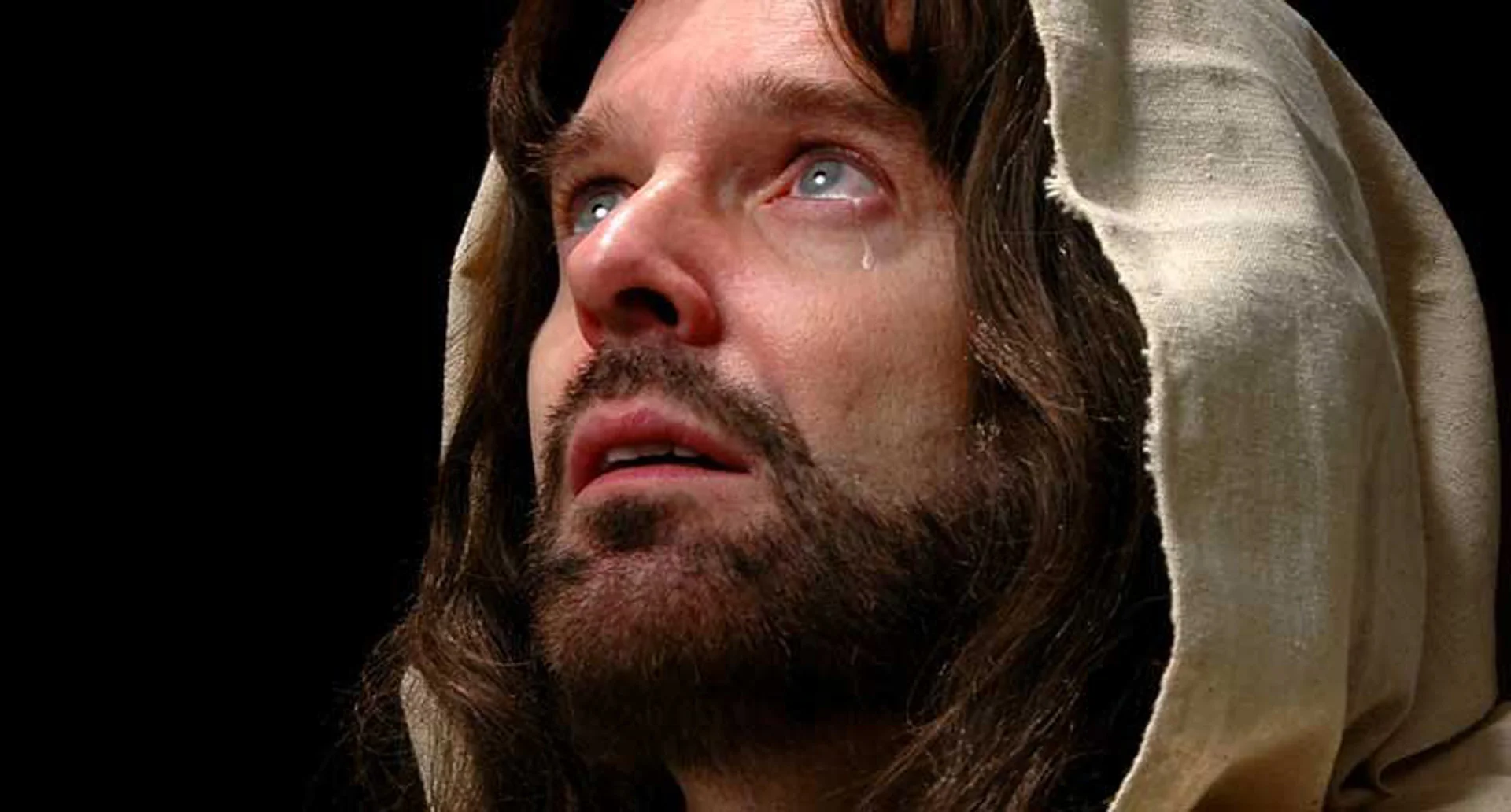

DEAR GOD: Eternal Life With You Is A Gift Of Love~

Freedom In Christ Jesus

For the wages of sin is death; but the gift of God is eternal life through Jesus Christ our Lord.” -Romans 6:23


Romans 6:23 is a profound encapsulation of the gospel message. It distills the weight of human sin and the grace of God into one verse, balancing the despair of separation from God with the hope of redemption through Jesus Christ. Let’s break it down thoughtfully.

The first part of the verse, “For the wages of sin is death,” points to the inevitability of the consequence of sin. Just as labor earns wages, sin also earns its due payment, and that payment is death—both physical and spiritual. This “death” is not merely the end of life but eternal separation from God. Sin, in its essence, is rebellion against a holy God, and it creates an insurmountable chasm between humanity and its Creator (Isaiah 59:2). The entire narrative of Scripture reaffirms this truth: “The soul that sinneth, it shall die” (Ezekiel 18:20). This is the harsh reality of human existence apart from divine intervention.

Yet, the verse does not leave us in despair. It transitions with the hopeful conjunction, “but,” signifying a turning point. The verse continues, “The gift of God is eternal life through Jesus Christ our Lord.” Unlike the wages of sin that are earned, the gift of God is freely given. This contrast between wages and a gift underscores the unmerited nature of God’s grace. Eternal life is not something we can earn through works, merit, or morality. It is entirely dependent on the sacrificial death and resurrection of Jesus Christ, as made clear in John 3:16: “For God so loved the world, that he gave his only begotten Son, that whosoever believeth in him should not perish, but have everlasting life.”

Paul’s language here is deliberate. The term “through Jesus Christ our Lord” reminds us that Jesus is not merely a mediator but the very source of this gift. He bore the penalty of sin on our behalf: “Who his own self bare our sins in his own body on the tree, that we, being dead to sins, should live unto righteousness: by whose stripes ye were healed” (1 Peter 2:24). Through Him, the sting of death is swallowed up in victory (1 Corinthians 15:55-57).

So, what does this mean for us today as Christians? First, it calls us to live with a deep sense of gratitude for the salvation we have received. Recognizing the gravity of what we have been saved from should compel us to worship God in spirit and truth. Second, it reminds us to share this gift with others. If eternal life is truly the unearned gift of God, how can we withhold such a message of hope from those around us? And third, it challenges us to live righteously, not as a means of earning salvation but as a response to the love of God. As Paul reminds us in Romans 12:1, we are called to present our bodies as living sacrifices, holy and acceptable to God, as our reasonable service.

The journey of faith involves daily surrender to Christ’s Lordship. It means turning away from sin and toward the transformative power of the Holy Spirit. In practical terms, this can look like committing to prayer, immersing ourselves in God’s Word, and seeking out opportunities to be Christ’s hands and feet in a hurting world.

A Prayer:

 “Dear LORD, thank You for Your grace and mercy. Thank You for delivering us from the wages of sin and gifting us eternal life through Your Son, Jesus Christ. Teach us to walk daily in Your light, to live with grateful hearts, and to boldly proclaim Your gospel to a world in need. Strengthen us to turn away from sin and to surrender every part of our lives to You. In the name of Jesus Christ, our Redeemer and Lord, we pray. Amen.”

Scripture for Meditation:

“Being justified freely by his grace through the redemption that is in Christ Jesus” (Romans 3:24).

This verse complements Romans 6:23 beautifully, reminding us that our justification and salvation are solely by the grace of God through Christ. Take time to reflect on this truth today. God Bless You All~


 

It is for freedom that Christ has set us free video background loop ...

DEAR GOD: Your Endless Love & Mercy & Grace Is Humbling~

Beautiful Sunrise Wallpapers - Top Free Beautiful Sunrise Backgrounds ...

A Reflection on Psalm 113:4

Psalm 113:4 declares, “The Lord is high above all nations, and his glory above the heavens!” This verse exalts God’s incomparable majesty and sovereignty. It reminds us that no earthly power, nation, or authority can match His supremacy, nor can the expanse of the heavens contain His glory. To explore this verse is to delve into the grandness of God’s rule, a timeless truth that resonates through history and continues to hold relevance today.

Biblical Overview and Analysis

The placement of Psalm 113 within the Book of Psalms is no coincidence. This chapter is the beginning of the “Hallel Psalms” (Psalms 113–118), traditionally sung by the Israelites during significant celebrations like Passover. These psalms focus on praising God, highlighting His mercy, power, and love for His people.

Psalm 113:4, in particular, emphasizes two critical attributes of God: His transcendence and His glory. To say God is “high above all nations” is not merely geographical; it speaks to His supreme authority and governance over all the earth. Nations rise and fall, leaders come and go, but God’s sovereignty remains eternal and unchallenged.

The phrase “his glory above the heavens” further magnifies His greatness. The heavens, often seen as the pinnacle of beauty and wonder in the ancient world, cannot even begin to encapsulate the fullness of God’s glory. It signifies that God’s majesty surpasses all creation, underscoring His infinite nature.

Examples in Today’s Context

In today’s world, we witness the ebb and flow of nations and political powers. Economies rise, alliances shift, and global landscapes change. For instance, recent global events, from conflicts between nations to debates on climate change, remind us of humanity’s limitations and the futility of placing ultimate hope in worldly systems. In such times, Psalm 113:4 calls believers to lift their eyes above the temporal and finite, recognizing that God’s authority is above all these complexities.

For a personal example, consider how individuals often place their trust in worldly achievements, from career success to technological advancements. While these have their place, none of them can offer the assurance and eternal perspective that God provides. This verse invites us to realign our focus, placing our trust in the one who reigns supreme.

Supportive Scripture

  1. Isaiah 40:22 – “It is he who sits above the circle of the earth, and its inhabitants are like grasshoppers; who stretches out the heavens like a curtain, and spreads them like a tent to dwell in.” This verse reinforces God’s transcendence and creative power.
  2. Daniel 2:21 – “He changes times and seasons; he removes kings and sets up kings; he gives wisdom to the wise and knowledge to those who have understanding.” This shows His control over earthly governance.
  3. Ephesians 1:21 – “Far above all rule and authority and power and dominion, and above every name that is named, not only in this age but also in the one to come.” This highlights Christ’s exalted position, emphasizing God’s ultimate authority.
  4. Revelation 11:15 – “The kingdom of the world has become the kingdom of our Lord and of his Christ, and he shall reign forever and ever.” This assures believers of God’s eternal reign.

Prayer

Lord Almighty, we come before You in awe of Your unmatched greatness. You are exalted above all nations, and Your glory surpasses the heavens. Teach us to trust in Your sovereignty when the world around us feels uncertain. Remind us of Your eternal reign, and help us to live as reflections of Your glory, pointing others to Your majesty. May our praise be unceasing, acknowledging Your authority in every aspect of our lives. In Jesus’ name, we pray. Amen.

Thought for the Day

In a world that is constantly changing, where do you place your trust? Let today be a reminder that God’s power is above all earthly realms, His glory above all creation. Rest in His sovereignty and let His eternal majesty guide your path. How can you reflect His glory in your actions today?


Beautiful Sunrise Wallpapers - Top Free Beautiful Sunrise Backgrounds ...

DEAR GOD: You Are The GOD Who Knows Our Hearts~

The Lord Knows Your Heart | Devotional | Bible Study Media

But I, the LORD, search all hearts and examine secret motives. I give all people their due rewards, according to what their actions deserve.” Jeremiah 17:10


This verse from Jeremiah 17:10 is a profound reminder of God’s intimate knowledge of our innermost being. It highlights His divine ability to see beyond appearances and into the depths of our hearts, understanding our motives, thoughts, and intentions in ways we cannot fully comprehend. It also underscores God’s justice, as He rewards each individual based on their actions and the authenticity of their intentions.

In our daily lives, we may encounter situations where outward appearances can be deceiving. For instance, someone might perform a seemingly generous act but with hidden motives of gaining recognition or advantage. Conversely, an act of kindness done quietly and humbly may go unnoticed by others but never by the Lord. This scripture reassures us that God’s judgment is not based on external acts alone but on the sincerity and purity of our hearts.

Reflect on this: When was the last time you paused to examine the motives behind your actions? Are they self-serving, or are they driven by love, humility, and obedience to God? It’s an invitation to strive for a life of integrity, where our hearts align with His will.

Supportive scriptures that echo this message include:

  • Proverbs 21:2: “People may be right in their own eyes, but the Lord examines their heart.”
  • 1 Samuel 16:7: “The Lord doesn’t see things the way you see them. People judge by outward appearance, but the Lord looks at the heart.”
  • Psalm 139:1-2: “O Lord, you have examined my heart and know everything about me. You know when I sit down or stand up. You know my thoughts even when I’m far away.”

From a biblical perspective, this verse reminds us of both God’s love and justice. He is a loving Father who knows us better than we know ourselves. His deep understanding of our hearts is not to condemn but to guide us toward transformation and righteousness. God’s judgment is always fair, and His mercy is abundant for those who repent and seek Him.

Moral thoughts: This verse calls us to live authentically and honestly before God. Our actions should be an outflow of a heart that seeks to honor Him. Knowing that He searches our hearts should inspire humility and a willingness to allow Him to shape us according to His purpose.

Prayer: Gracious and all-knowing Lord, we thank You for Your love that sees beyond our imperfections and into our hearts. Thank You for examining our motives and guiding us toward truth and righteousness. Help us to live with integrity, to act in ways that honor You, and to trust in Your just and perfect judgment. May our hearts be pure and pleasing in Your sight, and may our lives reflect Your love and grace. In Jesus’ name, Amen.

Meditative Thought for the Day: God knows my heart completely. Today, once again – and always-I choose to live honestly and humbly before Him, allowing His love to guide my motives and actions.

God Bless you all~

Only God Knows The Hearts Of Men | Christian Forums

DEAR GOD: Help Us To Grow In Grace Through Your Word~

Grace of our Lord Jesus Christ - Pastor Charles Finny Arumainayagam

Growing in Grace Through the Word

  “Like newborn babies, you must crave pure spiritual milk so that you will grow into a full experience of salvation. Cry out for this nourishment, now that you have had a taste of the Lord’s kindness.” – 1 Peter 2:2-3 (NLT)


Commentary: This verse encapsulates the essence of spiritual growth and the believer’s journey toward maturity in Christ. Peter’s analogy of “newborn babies” craving “pure spiritual milk” paints a picture of dependency, eagerness, and a natural hunger for sustenance. Just as a newborn instinctively cries out for milk to sustain life and grow, so should believers long for the “sincere milk of the Word”—the untainted truths of Scripture. This metaphor highlights the importance of the Word of God as the foundational nourishment that sustains and grows our faith.

When Peter mentions “pure spiritual milk,” he is speaking to the essence of God’s Word, uncorrupted by worldly distractions or false teachings. In our modern world, where countless voices compete for attention, the need for such purity is ever relevant. The Word serves as the foundation for understanding God’s will, discerning truth, and resisting the pull of a society often swayed by fleeting values.

Hebrews 4:12 reminds us: For the word of God is alive and powerful. It is sharper than the sharpest two-edged sword, cutting between soul and spirit, between joint and marrow. It exposes our innermost thoughts and desires.

Furthermore, this growth is not merely intellectual but deeply transformative. Peter ties it to the experience of salvation, suggesting that the pursuit of God’s Word leads believers into the fullness of their relationship with Him. It is not enough to “taste” that the Lord is good; we must consistently feed on His Word to experience the depth of His kindness and grace.

Through this, we grow in character, bearing the fruits of the Spirit: But the Holy Spirit produces this kind of fruit in our lives: love, joy, peace, patience, kindness, goodness, faithfulness, gentleness, and self-control (Galatians 5:22-23).

Biblical values derived from these passages are strikingly applicable today. In a culture that often prioritizes self-sufficiency, Peter reminds us of the beauty of dependence—not on human solutions but on divine sustenance.

To grow spiritually, we must cultivate a desire for God’s Word, setting aside distractions and counterfeit sources of “nourishment.” In doing so, we align with Christ’s call to abide in Him: Yes, I am the vine; you are the branches. Those who remain in me, and I in them, will produce much fruit. For apart from me you can do nothing (John 15:5). His Word equips us to stand firm against the currents of secularism, cynicism, and despair, offering hope that is both eternal and unshakable.

Reflective Questions:

  • What steps can I take to develop a deeper hunger for the truths in God’s Word?
  • Are there distractions or influences in my life that dilute the “pure spiritual milk” God offers?
  • How can the kindness of the Lord I’ve experienced inspire me to trust Him more?

Prayer:

“LORD my Gracious and loving Father, we come before You as children yearning for the nourishment only Your Word can provide. Thank You for giving us the sincere milk of truth that feeds our souls and draws us closer to You. Lord, help us to crave Your Word with undivided hearts, removing anything that hinders our growth in You. Let the kindness and grace we have tasted in Your presence fill us with gratitude and a renewed passion to grow deeper in our relationship with You. May Your Word transform us, equipping us to live faithfully and boldly in a world in need of Your light. In Jesus’ name, Amen.”

Reflective Question for the Day:

Am I intentionally making space in my life to drink deeply from God’s Word, or am I relying on spiritual “snacks” to sustain my faith? Delve deeply into this and ask for the LORD to guide you as you do so…

God Bless you all~


DEAR GOD: “Jesus Wept”- Thank You For Your Compassion~


The Bible In Paintings 85: JESUS WEEPS AT LAZARUS' DEATH

“Jesus wept.” John 11:35

This verse, though brief, holds a depth that resonates with the human soul. It captures a moment of divine empathy, an expression of raw humanity from the Son of God. In two simple words, we witness the profound connection between Christ and those He came to save. Here is a reflection and commentary on this powerful verse:

When we consider the context of this verse, it occurs during the death of Lazarus. Jesus, upon seeing the grief of Mary and the mourners, is moved to tears. He stands before the tomb of His beloved friend, fully aware of the miracle He is about to perform—Lazarus will rise again. And yet, He weeps.

Why did Jesus cry if He knew He had the power to bring Lazarus back to life? This moment reveals the depths of Christ’s compassion. His tears are not born of hopelessness but of shared sorrow. In weeping, He acknowledges the pain, the heartache, and the fragility of human existence. His divine power did not shield Him from feeling the weight of humanity’s suffering. Instead, it equipped Him to carry it fully and share in it deeply.

Christ’s tears remind us that faith does not mean the absence of emotion. Grief is not a failure of belief but an expression of love. To mourn is to testify to the value of what was lost. In His weeping, Jesus sanctifies our tears, showing us that sorrow is not something to hide or suppress but something that draws us closer to God.

But there is more: His tears foreshadow the ultimate victory over pain and death. In the same way that He stood before Lazarus’ tomb, Jesus would one day stand in the shadow of the cross, carrying the full burden of humanity’s grief and sin. His weeping is a promise that our suffering will not have the final word.

Today, when we weep, we can remember this verse and take comfort in knowing that we do not cry alone. The God who weeps with us is also the God who saves us. Through Him, our tears, though bitter, will one day be wiped away forever.

“Heavenly Father, we thank You for the gift of Your Word and the profound reminder of Your compassion through the tears of Christ. May this reflection bring comfort to those in grief and strengthen the faith of those in doubt. Let it serve as a beacon of hope, showing that Your love meets us in our sorrow and carries us toward eternal joy. Bless all who read this, that they may feel Your presence and draw closer to You. In Jesus’ name, we pray. Amen.”

What are your thoughts my brothers and sisters?
Does this spark any reflections for you?
Your interest in exploring God’s Word and scripture often opens up such enriching insights and revelations of what He expects of us, today and always!

DEAR GOD: Thank YOU for Your Faithfulness & Mercy~

The Faithfulness of the Lord - Logos Sermons


A Tribute to the LORD’s Mercy and Goodness

“The steadfast love of the LORD never ceases; his mercies never come to an end; they are new every morning; great is your faithfulness.” – Lamentations 3:22-23 (ESV)


What a magnificent truth to anchor our hearts on—the steadfast love of the LORD never ceases. These words invite us to meditate on the boundless, unrelenting nature of God’s love. A love so immense that it doesn’t waver, weaken, or expire. It’s steadfast, meaning it is faithful, reliable, and rooted in His eternal nature. His love isn’t conditional or fleeting; it surrounds us through every season of life, in our greatest joys and deepest sorrows.

The Depth of His Mercy

“His mercies never come to an end.” Mercy is the compassion He shows us, despite our flaws and failures. His mercy doesn’t exhaust itself based on how much we need it. It is like an ever-flowing river, cleansing and refreshing. Reflect on how many times you’ve stumbled yet found His hand ready to pick you up. Could we even count the moments we’ve fallen short but were met with forgiveness and patience rather than condemnation? His mercy reminds us of His heart—a heart that desires restoration over retribution.

Reflective Question: Have you taken time recently to recognize the mercies that God has extended to you today? What specific blessings or moments of grace stand out?

His Love Made Manifest

The beauty of the LORD’s goodness is that it isn’t abstract. It is tangible in how He sustains us, provides for us, and walks beside us. We see it in the life, death, and resurrection of Jesus Christ, the ultimate revelation of His mercy and goodness. John 3:16 reminds us: “For God so loved the world, that he gave his only Son, that whoever believes in him should not perish but have eternal life.”

This sacrificial love is the foundation of our hope.

The Call to Love Him Back

How can we not love Him in return? 1 John 4:19 tells us, “We love because he first loved us.” To love the LORD is to respond to the unfathomable kindness He has shown us. It is to surrender our hearts and lives to the One who gave everything for our sake. Loving Him means trusting Him even when the path is uncertain, praising Him when the storms rage, and obeying Him as an act of worship.

Moral Reflection: How often do we pause to consider what it means to truly love God—not just in words, but in the choices we make, the priorities we set, and the way we treat others?

Scriptures to Support and Strengthen

  • Psalm 23:6: “Surely goodness and mercy shall follow me all the days of my life, and I shall dwell in the house of the LORD forever.” His goodness isn’t a fleeting thing; it’s a faithful companion to us every day.
  • Exodus 34:6: “The LORD, the LORD, a God merciful and gracious, slow to anger, and abounding in steadfast love and faithfulness.” God’s mercy and love are at the very core of who He is.
  • Romans 8:38-39: “For I am sure that neither death nor life, nor angels nor rulers, nor things present nor things to come, nor powers, nor height nor depth, nor anything else in all creation, will be able to separate us from the love of God in Christ Jesus our Lord.” This love is unshakable, eternal, and victorious.

A Purposeful Prayer of Thanks

“Father in Heaven, we stand in awe of Your boundless mercy and unwavering goodness. Thank You for loving us with a steadfast love that never fails, for showing us compassion even when we falter, and for renewing Your mercies every morning. May we never take Your love for granted, but instead live lives that reflect our gratitude. Help us to trust You more deeply, love You more fully, and honor You in all that we do. LORD, bless the hearts of those who read these words today. May they feel Your presence, embrace Your peace, and be filled with the assurance of Your love. In Jesus’ name, Amen.”


A Meditative Thought for the Day

Take a moment to meditate on this truth: The same God who paints the sunrise with new mercies each day also holds you tenderly in His hand. His faithfulness is your stronghold, and His love is your song.

How will you choose to respond to His unending goodness today?

God Bless You All~

Free Bible Verse Art Downloads for Printing and Sharing ...

DEAR GOD: May We Keep Our Faith & Apply It Daily To Others~

Sunrise Desktop Wallpapers - Top Free Sunrise Desktop Backgrounds ...

For this very reason, make every effort to supplement your faith with virtue, and virtue with knowledge, and knowledge with self-control, and self-control with steadfastness, and steadfastness with godliness, and godliness with brotherly affection, and brotherly affection with love.
2 Peter 1:5-7


This passage from 2 Peter 1:5-7 is a roadmap for spiritual growth, a beautiful testimony to the transformative power of faith. It calls us, as Christians, to not only hold our faith tightly but to actively cultivate it, adding layer upon layer of godly virtues. Each element—faith, virtue, knowledge, temperance, patience, godliness, brotherly kindness, and charity—builds upon the other, creating a robust and holistic model of Christian living. It’s a reminder that our faith is not static but dynamic, a living and growing journey with the Lord.

A Loving Tribute to the Lord

How magnificent is the Lord’s design for our lives that He doesn’t leave us to wander aimlessly in our faith? Instead, He offers us this passage as a blueprint to align our lives with His will. It begins with faith—the foundation of our relationship with God—earned not by our merit but given through His grace. Yet faith is not the end of our walk; it’s the beginning. To our faith, we are called to add virtue, a moral excellence that reflects the character of Christ.

From virtue, we pursue knowledge, not merely intellectual understanding but an intimate awareness of God’s will and character through His Word. This knowledge leads us to temperance or self-control, teaching us to resist worldly temptations and focus on eternal promises. Temperance blossoms into patience, a steadfast endurance that reflects our trust in God’s timing. Patience grows into godliness, which deepens our reverence for God and aligns our lives more fully with His commands.

Godliness leads to brotherly kindness, emphasizing the importance of community and loving fellowship among believers. Finally, we arrive at charity, the pure and selfless love that mirrors the heart of God Himself. This progression is not just a series of virtues; it’s the Lord guiding us to become more like Him, day by day.

Reflective Questions

  • How can you add virtue to your faith today? What does moral excellence look like in your daily life?
  • Are you growing in knowledge of God through Scripture and prayer? How can you create more space for learning in your walk with Christ?
  • What areas of your life need temperance and patience? Are there situations where you need to surrender control to God’s timing?
  • How can you show brotherly kindness to someone in need? Who in your life could benefit from a simple act of charity or love?

Supporting Scriptures

  • Faith: “Now faith is the assurance of things hoped for, the conviction of things not seen” (Hebrews 11:1).
  • Virtue: “But as he who called you is holy, you also be holy in all your conduct” (1 Peter 1:15).
  • Knowledge: “The fear of the Lord is the beginning of knowledge; fools despise wisdom and instruction” (Proverbs 1:7).
  • Temperance: “A man without self-control is like a city broken into and left without walls” (Proverbs 25:28).
  • Patience: “But if we hope for what we do not see, we wait for it with patience” (Romans 8:25).
  • Godliness: “Train yourself for godliness” (1 Timothy 4:7).
  • Brotherly Kindness: “Be kindly affectionate to one another with brotherly love” (Romans 12:10).
  • Charity: “And above all these put on love, which binds everything together in perfect harmony” (Colossians 3:14).

Moral Thoughts and Takeaways

In today’s world, Christianity often faces challenges of division, distraction, and disconnection. This passage reminds us of our responsibility as Christians to nurture our spiritual lives and reflect God’s love outwardly. It calls us to be intentional in our actions, seeking to embody these virtues daily.

For example, we can support this scripture by:

  • Committing to daily prayer and study of the Bible to deepen our faith and knowledge.
  • Practicing self-control in areas where we struggle, whether it’s with words, habits, or thoughts.
  • Exercising patience in times of trial, trusting that God’s plan is greater than our understanding.
  • Reaching out in kindness to a family member, friend, or even a stranger, showing them the love of Christ in practical ways.
  • Living generously, whether through financial support, acts of service, or simply offering encouragement to others.

Prayer

 “LORD, we thank You for Your Word, which guides us and shapes us to be more like You. Thank You for the gift of faith and the call to grow in virtue, knowledge, temperance, patience, godliness, brotherly kindness, and charity. Help us, LORD, to embody these virtues in our daily lives, not for our glory but for Yours. Give us the strength to walk this path with diligence and joy, reflecting Your love to all we meet. In Jesus’ name, Amen.”


Blessing and Meditative Scripture

May the Lord bless you and keep you as you pursue His virtues in your life. May His grace abound in you, and may His love shine through you, touching all who cross your path.


Meditative Scripture for Today: “And let us not grow weary of doing good, for in due season we will reap, if we do not give up” (Galatians 6:9, ESV).

Reflect deeply upon this verse throughout your day, and may it encourage you to press on in your journey of faith.

God Bless You All~

Beautiful Beach Sunrise Wallpapers - Top Free Beautiful Beach Sunrise ...

DEAR GOD: May We Always Trust Your Purpose & Will~

Jesus Love Wallpaper Online | cityofclovis.org

“And we know that all things work together for good to them that love God, to them who are the called according to his purpose.” -Romans 8:28


Romans 8:28 Commentary and Reflection

Romans 8:28 is a powerful affirmation of God’s sovereignty, love, and purposeful design for our lives. This verse reminds us that God’s providence extends to all areas of life, and His plans are for the ultimate good of those who love Him and are called according to His purpose. Let us unpack its significance in a way that resonates with both the biblical perspective and our lives today.

Biblical Insights and Life Application

  1. “All things work together for good”: This declaration is both comforting and challenging. It emphasizes God’s divine orchestration of every detail—joys, trials, victories, and setbacks. The “good” mentioned here does not always mean immediate comfort or success but aligns with God’s ultimate purpose: conforming us to the image of Christ (Romans 8:29). It is a call to trust Him even when circumstances seem bleak, believing that He is weaving a greater masterpiece.

    Life today: In a world filled with uncertainties—whether financial struggles, health challenges, or relational hardships—this truth invites us to shift our perspective. Rather than questioning, “Why is this happening to me?” we are encouraged to ask, “How is God shaping me through this?”

  2. “To them that love God”: Love for God is the anchor of this promise. It is not a transactional love but one rooted in deep, abiding faith and devotion. Those who truly love God prioritize their relationship with Him, and their lives reflect His grace and truth.

    Reflection: Consider your personal relationship with God. Is it one of wholehearted surrender, or is it influenced by the changing tides of circumstances? Loving God calls for consistent prayer, worship, and a willingness to follow His commands.

  3. “To them who are the called according to His purpose”: God’s calling is both universal (inviting all to salvation) and specific (assigning each individual a unique role in His kingdom). Being “called” speaks to living with intentionality, grounded in His word, and seeking His purpose above all.

    Application: In today’s fast-paced life, purpose can feel elusive. This verse reassures us that God’s calling is not random—it is tailor-made for each of us, encompassing our gifts, passions, and circumstances.

Reflective Questions

  • How have I witnessed God’s ability to bring good from difficult situations in my life or the lives of others?
  • In what ways am I actively expressing my love for God in my daily choices?
  • Am I aligning my pursuits and goals with God’s purpose for me?

Moral Thoughts and Takeaways

  • Trusting God’s plan requires humility and patience, especially when outcomes differ from our expectations.
  • Loving God involves daily commitment, not just moments of convenience.
  • Living according to God’s purpose means surrendering our agendas and embracing His divine direction.

Loving Witness to Christ

Living out Romans 8:28 is a profound way to witness to Christ’s love. When we demonstrate unwavering faith amidst trials, others are drawn to the source of our hope. Sharing testimonies of God’s faithfulness in our lives can inspire and encourage those around us. For instance:

  • A believer who finds peace after losing a job exemplifies trust in God’s provision.
  • Someone who forgives deeply, despite being wronged, reflects Christ’s transformative power.

Examples of Loving Christ

  • Spending time in scripture and prayer, seeking to know Him more.
  • Serving others selflessly, mirroring His heart for humanity.
  • Standing firm in faith, even when it’s countercultural or costly.

Prayer and Blessing

“Heavenly Father, thank You for the assurance that You work all things together for good for those who love You. Help us to trust in Your perfect plan, even when we cannot see the way forward. Deepen our love for You and align our hearts with Your purpose. Use our lives as a testimony of Your grace and faithfulness. May we live each day with courage and conviction, knowing that You are with us always.

Father, I ask You to bless each reader today. Grant them peace in the midst of their challenges, joy in their journey, and a renewed sense of purpose in You. In Jesus’ name, Amen.”

Meditative Scripture for the Day

“The Lord is my shepherd; I shall not want. He makes me lie down in green pastures. He leads me beside still waters. He restores my soul. He leads me in paths of righteousness for his name’s sake.”Psalm 23:1-3 (ESV)


Loving God with all our Heart

DEAR GOD: Your Peace Soothes My Soul~

Praise The Lord Oh My Soul (Psalm 103:1-5) - Grant E-Free Church

Scripture: Philippians 4:6–7 (ESV)

“Do not be anxious about anything, but in everything by prayer and supplication with thanksgiving let your requests be made known to God. And the peace of God, which surpasses all understanding, will guard your hearts and your minds in Christ Jesus.”

Biblical Analysis and Reflection

In these verses, Paul calls the believers in Philippi to a life of peace through faith and prayer. The instruction to “not be anxious about anything” might seem daunting, especially in today’s world where anxieties seem ever-present. However, Paul provides a practical and spiritual antidote: prayer with thanksgiving. This approach is not just about presenting our needs to God but doing so with a spirit of gratitude, recognizing His sovereignty and provision.

Yesteryear versus Today: In Paul’s time, the challenges faced by the early church were profound—persecution, poverty, and uncertainty surrounded the fledgling Christian communities. Yet Paul speaks of a peace that “surpasses all understanding,” a peace not dependent on outward circumstances but rooted in Christ.

Today, our anxieties may look different—social pressures, economic instability, health crises, or the overwhelming pace of life. However, the human condition remains the same: a longing for peace that the world cannot provide. The timelessness of this scripture is evident as it speaks directly to modern struggles, reminding us that the solution lies not in our striving but in surrendering our concerns to God.

Supporting Scriptures:

  1. Matthew 6:34 (ESV) – “Therefore do not be anxious about tomorrow, for tomorrow will be anxious for itself. Sufficient for the day is its own trouble.”
    • Jesus reminds us to live in the present, trusting God with our future.
  2. 1 Peter 5:7 (ESV) – “Casting all your anxieties on him, because he cares for you.”
    • This verse reinforces the idea of entrusting our burdens to God.
  3. Isaiah 26:3 (ESV) – “You keep him in perfect peace whose mind is stayed on you, because he trusts in you.”
    • A promise of peace for those who fix their minds on God.

Moral Thoughts and Takeaways: The essence of this passage lies in trust—trusting God enough to relinquish our worries and to approach Him in faith. In a world that often encourages self-reliance, Philippians 4:6–7 reminds us that peace is not achieved through control or external solutions but through intimacy with God. Gratitude becomes a powerful weapon against anxiety, realigning our focus from what we lack to what God has already done.

This scripture also challenges us to examine where we place our trust. Are our hearts guarded by the peace of Christ, or are they weighed down by the burdens we are reluctant to release?

A Prayer: Heavenly Father, Thank You for Your promise of peace that surpasses all understanding. Teach us to bring our worries to You in prayer, with hearts full of gratitude. Help us to trust in Your provision and to find rest in Your presence. Guard our hearts and minds in Christ Jesus and let Your peace reign over every aspect of our lives. In Jesus’ name, we pray. Amen.

Meditative Thought for the Day: “Lord, may Your peace guard my heart as I trust You with all that weighs on me.” Take a moment today to reflect on something you’re grateful for and offer it to God in thanksgiving.

Let His peace completely calm your soul.

God Bless You All~

23 Bible Verses to Soothe Your Soul - Peaceful Home 

DEAR GOD: May We Always Honor & Serve You Humbly~

Being Humble: Why It’s Important to God | Inspiration TV

“But sanctify the Lord God in your hearts: and be ready always to give an answer to every man that asketh you a reason of the hope that is in you with meekness and fear:” -1 Peter 3:15


The verse in the ESV reads: “But in your hearts honor Christ the Lord as holy, always being prepared to make a defense to anyone who asks you for a reason for the hope that is in you; yet do it with gentleness and respect.”

This verse reflects the Apostle Peter’s encouragement to believers to live in such a way that their hope in Christ becomes a visible, undeniable reality to those around them. Peter emphasizes the importance of sanctifying or honoring Christ as Lord in our hearts. This act of consecration ensures that all our actions, words, and motives flow from a place of deep, personal reverence for God. When Christ reigns in our hearts as holy, our lives are naturally marked by humility and purpose, aligning with God’s will rather than worldly pursuits.

The instruction to “be ready to make a defense” underscores the importance of preparedness in articulating one’s faith. It does not demand eloquence or debate prowess but a sincere readiness to share the foundation of the hope found in Jesus Christ. This “hope” is the assurance of salvation, eternal life, and the unwavering promises of God through the gospel. Importantly, this defense must always be given with gentleness and respect—reflecting the character of Christ and ensuring that our witness does not drive others away from the truth.

Peter’s words here also confront the temptation to serve self over God. As Christians, the call to serve humbly and fully is evident throughout Scripture. Romans 12:1 reminds believers to present their bodies as living sacrifices, holy and pleasing to God, while Colossians 3:23-24 urges us to work heartily, as for the Lord. Serving God’s purpose means surrendering personal agendas and ambitions, seeking instead to glorify Him in all we do.

Biblical Analysis and Historical Perspective:

1 Peter 3:15 was written to encourage the scattered and often persecuted believers of Asia Minor (modern-day Turkey). Peter’s audience faced hostility for their faith, and this letter offers them both practical and spiritual guidance for enduring suffering while remaining faithful witnesses to Christ. In this context, “sanctifying Christ in your hearts” served as a reminder to prioritize allegiance to Christ over fear of man, even in the face of persecution.

From a biblical perspective, this verse echoes the charge given to Israel in Isaiah 8:13, where the prophet says, “But the Lord of hosts, him you shall honor as holy. Let him be your fear, and let him be your dread.” Both passages call for steadfast devotion to God, setting Him apart in one’s heart as supreme over all fears and uncertainties.

Historically, the early church was heavily scrutinized by Roman society, which often misunderstood and mischaracterized Christian beliefs. In this environment, the ability to explain the hope of the gospel with clarity and respect became a critical part of evangelism. Peter’s instruction continues to resonate today, reminding Christians to engage the world with truth and grace, even when facing opposition.

Reflective Questions:

  • How can I honor Christ as holy in my everyday decisions and relationships?
  • Am I prepared to share the hope I have in Christ? If not, what steps can I take to deepen my understanding of the gospel?
  • Do I approach others with gentleness and respect, even when they challenge or question my faith?
  • In what ways can I ensure that my service to God is driven by humility and a genuine desire to glorify Him, rather than seeking personal recognition?

Being a Christian and Serving God Humbly:

To be a Christian is to live as a servant of Christ, seeking His glory above all else. It is a daily act of surrender, acknowledging that we are not our own but belong to God. Jesus Himself modeled this humility, as seen in Philippians 2:5-8, where He humbled Himself by taking on human form and becoming obedient to the point of death. This example calls us to a life of selflessness and dedication, pouring out our time, talents, and treasures for God’s purposes.

Serving God fully requires aligning every aspect of our lives with His will. Whether in the workplace, at home, or in our communities, we are called to be ambassadors for Christ, reflecting His love and truth. This demands a shift from self-centered living to God-centered living, where our choices and actions are guided by what pleases Him. It is not about earning favor or recognition but offering our lives as a testament to His grace.

Humble service also means recognizing that all we have—our abilities, resources, and even our breath—is a gift from God. As 1 Corinthians 10:31 reminds us, “So, whether you eat or drink, or whatever you do, do all to the glory of God.” Every task, no matter how mundane, becomes an opportunity to honor Him when done with a heart focused on His kingdom.

A Prayer:

Heavenly Father, we come before You in humility, acknowledging that You alone are holy and worthy of all honor. Teach us to sanctify You in our hearts, placing You above all else in our lives. Help us to always be ready to share the hope we have in You with gentleness and respect, reflecting Your love to a world in need. Strengthen us to serve You faithfully, not for recognition but for Your glory, and guide us in aligning our lives with Your purpose. May Your Word dwell richly in us, equipping us for every good work You have prepared for us. In Jesus’ name, we pray, Amen.

A Blessing and Meditative Verse for the Day:

May the Lord bless you and keep you; may He make His face shine upon you and be gracious to you. May He fill your heart with His peace and your life with His purpose as you walk in faithful obedience to Him.

“Trust in the LORD with all your heart, and do not lean on your own understanding. In all your ways acknowledge Him, and He will make straight your paths.” — Proverbs 3:5-6 (ESV)