DEAR GOD: Thank You For Your Divine Compassion~

The Bible In Paintings 85: JESUS WEEPS AT LAZARUS' DEATH

“Jesus Wept ” – John 11:35


 The Tears of Christ: A Reflection on Divine Compassion


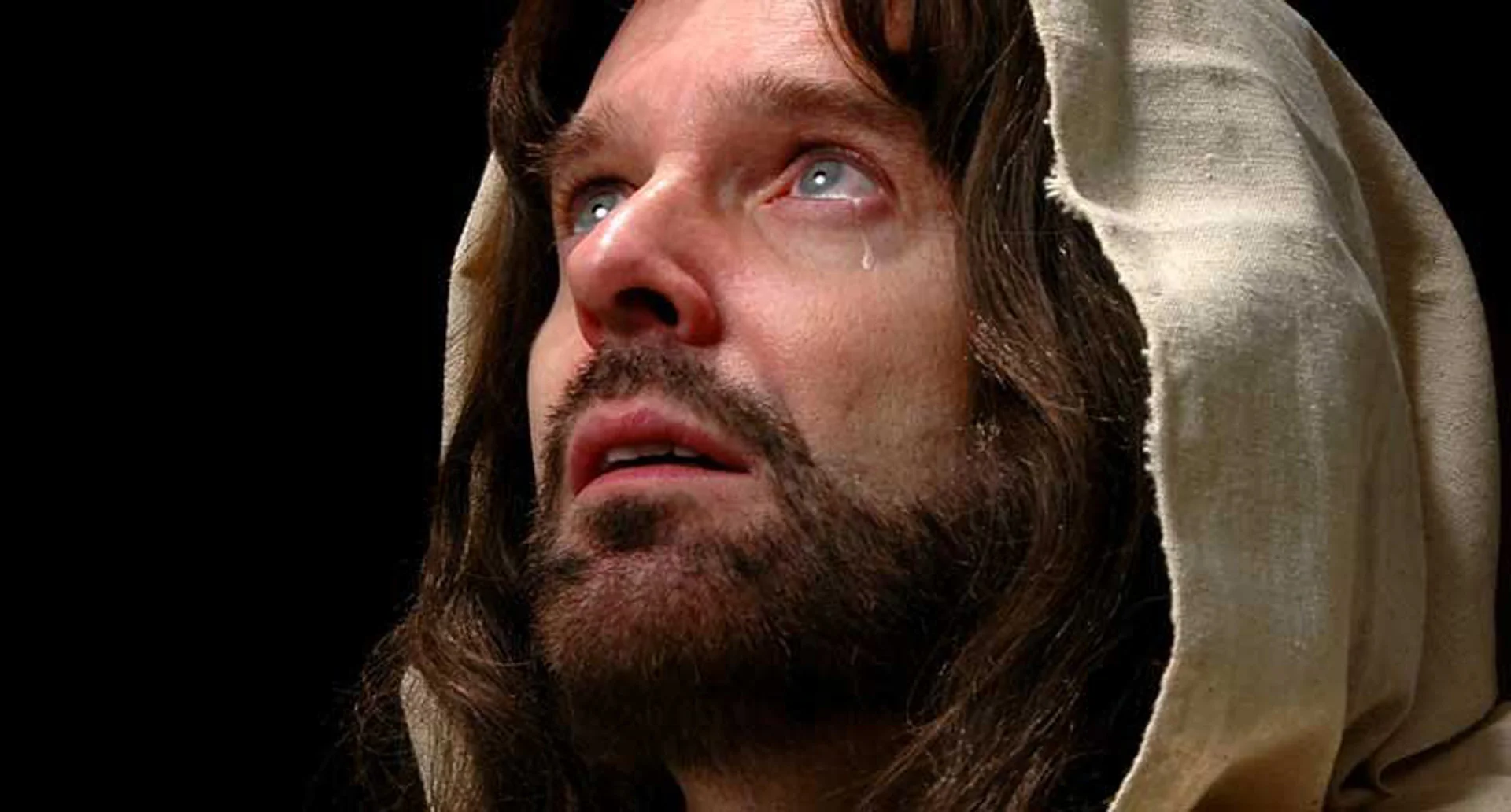
“Jesus wept.” The shortest verse in the Bible, yet one of the most profound. In just two words, we glimpse the depth of Christ’s love, His empathy, and His shared sorrow with humanity. The moment occurs in Bethany, as Jesus stands before the tomb of His dear friend Lazarus, surrounded by mourning friends and family. Although He knows that Lazarus will soon be raised from the dead, He pauses—not to explain, not to justify, but to weep.

This moment shatters any notion that Christ was distant from human suffering. His tears were not for lack of faith but a demonstration of His deep compassion. They affirm that grief is not weakness, that sorrow is not failure, and that God Himself acknowledges the weight of loss. The Savior of the world did not simply perform miracles—He entered into the pain of those around Him.


Then and Now: What This Means for Us

In Biblical times, weeping was an outward expression of mourning, but Jesus’ tears carried a Divine significance. They were not just for Lazarus—they were for all humanity, for the suffering of a world plagued by sin and death. Even as He stood moments away from reversing death’s grip, He showed that grief is part of the human experience. This moment reveals the heart of God—not a distant ruler, but a compassionate Father who understands and walks alongside His children in sorrow.

Today, this verse remains just as relevant. When we face heartbreak, loss, or uncertainty, we may question whether God sees, whether He cares. But here in John 11:35, we are reminded that He does.

He is not indifferent to our struggles, and His Presence is not just for the triumphant moments—it is for the silent tears, the nights of doubt, the prayers that feel unanswered. Just as He wept for Lazarus, He is near in every sorrow we bear.


Moral & Spiritual Considerations

The tears of Christ teach us that sorrow does not equate to a lack of faith. Grief is natural, and rather than rush past pain, we are called to embrace the Presence of God within it. Our faith does not erase suffering, but it transforms how we experience it—knowing that God does not waste a single tear.

Moreover, Jesus’ weeping calls us to mirror His compassion. How often do we overlook the suffering of others? How often do we rush past someone’s pain, eager for resolution but unwilling to sit in the discomfort of mourning? Christ calls us to weep with those who weep (Romans 12:15), to bear one another’s burdens (Galatians 6:2), and to love as He loved.


Supporting Scriptures:

  • Psalm 34:18 – “The Lord is near to the brokenhearted and saves the crushed in spirit.”
  • Hebrews 4:15 – “For we do not have a high priest who is unable to sympathize with our weaknesses…”
  • Isaiah 53:3 – “He was despised and rejected by men; a man of sorrows, and acquainted with grief…”
  • Revelation 21:4 – “He will wipe away every tear from their eyes, and death shall be no more…”

Meditative Question:

How can I embrace Christ’s compassion in my own life, learning to see sorrow not as something to avoid, but as an opportunity to draw closer to God and to others?


 Prayer:

“Lord, You are the God who weeps. You do not turn away from our suffering, nor do You ask us to bear our burdens alone. In Your tears, we see the depth of Your love—a love that walks with us through every valley, a love that redeems even the darkest moments. Teach us to trust Your Presence in our grief, knowing that no tear is unseen, no sorrow forgotten. Help us to extend Your compassion to others, to sit in the sacred space of mourning without rushing toward answers but simply embracing the power of love. May we never forget that You understand that You care, and that one day, You will wipe away every tear. In the holy name of Jesus, Amen.”
DEAR GOD: May I Stay Safely In Your Loving Embrace~

Christ the Shepherd | Jesus and Lamb | Jesus Painting | Picture of ...

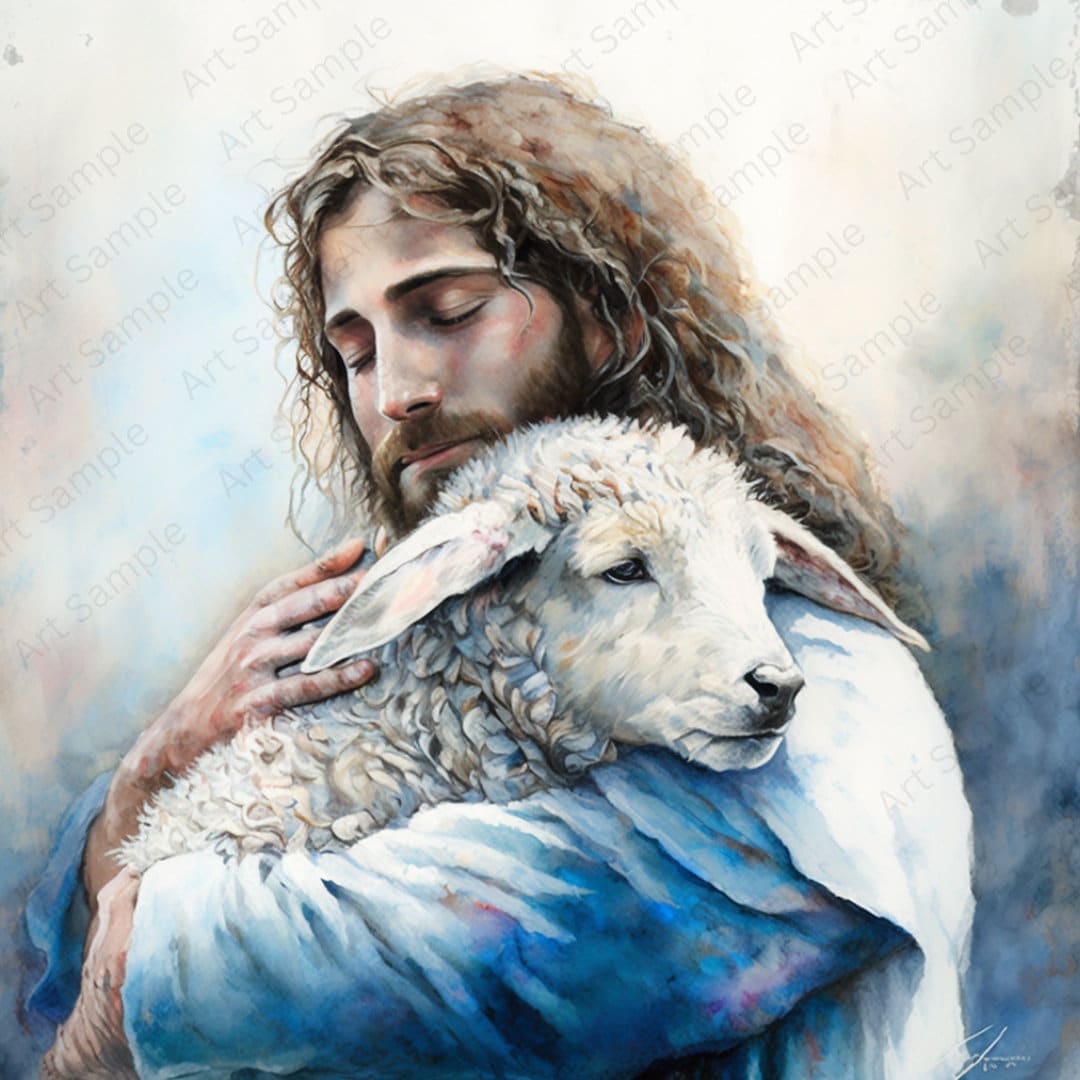
“He shall feed his flock like a shepherd: he shall gather the lambs with his arm, and carry them in his bosom, and shall gently lead those that are with young.” — Isaiah 40:11 (KJV)


  A Shepherd’s Gentle Embrace

  There is a tenderness woven into the imagery of this verse, a promise of divine care that is often overlooked amid the grand declarations of God’s majesty. Here, the Lord is not merely a ruler from afar, nor simply a judge to be feared—He is a Shepherd, intimately engaged with His flock, holding the weakest close to His heart, leading gently those who need extra care.

The depth of this verse invites us to consider the nature of God’s leadership. He is neither forceful nor indifferent. Instead, His strength is mingled with gentleness, His power tempered with compassion. The lambs—those who are young, fragile, or wandering—are not left to struggle alone. He gathers them, not with mere instruction, but with His own arm, embracing them closely and carrying them where their little legs cannot travel on their own.

What a picture of grace! Have you ever felt too weak to continue, too weary to walk another step in faith? This verse reminds us that God does not expect us to move forward on our own strength. He lifts, He carries, He leads gently—not with harsh demands, but with patient guidance.

This echoes the heart of Jesus, who, in His earthly ministry, declared, “I am the good shepherd: the good shepherd giveth his life for the sheep” (John 10:11). The same God who cradled His flock in Isaiah is revealed in Christ, the Shepherd who laid down His life for us. There is no distance between the Old Testament promise and the New Testament fulfillment—God has always been a Shepherd, seeking the lost, carrying the weak, guiding the willing.

In a world of hurried expectations and relentless pressures, it is easy to forget that God leads gently. He understands the burdens we carry, the exhaustion that slows our steps, the uncertainty that makes moving forward seem impossible. And yet, His promise remains—He will carry us, not merely direct us from afar. He will pull us close, not let us drift aimlessly.

Psalm 23:1 beautifully complements this truth: “The Lord is my shepherd; I shall not want.” With Him, there is no lack, no abandonment, no rejection—only a steadfast presence, a loving embrace, and a patience that meets us where we are.

 “My LORD – Loving Shepherd, thank You for carrying me when I am weak, for holding me close when I am afraid, for leading me gently when my steps falter. Teach me to trust Your embrace, to rest in Your care, to follow Your guidance without fear. May I never forget that Your strength is kind, Your leadership tender, and Your love unwavering. Lead me, O Lord, and let me dwell always in the safety of Your arms. In Jesus’ name, Amen.”


When have you felt the Shepherd carrying you through life’s trials?


DEAR GOD: My Stronghold In All I Do & See ~

20240306 [새벽묵상] 하나님의 강한 성 | The Stronghold of God (시/Ps 46:1~11)

 The LORD is good, a strong hold in the day of trouble; and he knoweth them that trust in him.” Nahum 1:7 (KJV)


The Lord’s Goodness: An Eternal Fortress for His Children

  Nahum 1:7 beautifully encapsulates the unchanging character of God. Often overlooked, this verse is a powerful reminder of the goodness of the Lord that endures across all generations. In a world riddled with uncertainty, this scripture speaks directly to the heart, assuring us that God is not only good but also a stronghold—a place of safety and refuge when storms rage around us. This verse reminds us of the personal intimacy between God and His children. The phrase “He knoweth them that trust in Him” reveals the depth of His care; we are not forgotten faces in a crowd, but beloved individuals whom God intimately knows and cares for.

Today and always, God’s unchanging goodness stands as a testament to His eternal nature. He does not waver in His love nor falter in His promises. In times of triumph or trouble, He remains steadfast—a fortress that cannot be shaken. The same God who created the heavens and the earth is deeply invested in our lives, meeting us in our pain, walking with us in our struggles, and rejoicing with us in our victories. This verse is not merely an ancient truth but a present reality. His goodness is as active today as it was in Nahum’s time.

As Christians, we are reminded through this verse of our inherent rights as royal children of God. This royal heritage calls us to trust in His unwavering character. We are not orphans struggling to survive, but heirs to His kingdom, endowed with hope, peace, and love. The moral standard set before us is to mirror this goodness in our interactions, offering grace and refuge to others as God has done for us. As His children, we embody His kingdom values, standing firm in the knowledge that we are deeply known and eternally loved.

Supporting Scriptures:

  • Psalm 18:2: The LORD is my rock, and my fortress, and my deliverer; my God, my strength, in whom I will trust; my buckler, and the horn of my salvation, and my high tower.
  • Isaiah 41:10: “Fear thou not; for I am with thee: be not dismayed; for I am thy God: I will strengthen thee; yea, I will help thee; yea, I will uphold thee with the right hand of my righteousness.”
  • Romans 8:38-39: “For I am persuaded, that neither death, nor life, nor angels, nor principalities, nor powers, nor things present, nor things to come, Nor height, nor depth, nor any other creature, shall be able to separate us from the love of God, which is in Christ Jesus our Lord.”

Meditative Questions:

  • How can I anchor my trust in the Lord during moments of trouble?
  • In what ways can I reflect God’s goodness in my daily life?
  • How does knowing I am a royal child of God shape my identity and purpose?

Moral Thoughts and Standards: As children of God, our moral responsibility is to emulate the goodness of our Creator. This means extending grace to the undeserving, offering refuge to the weary, and upholding truth in all circumstances. It is also our duty to rest in the knowledge of God’s sovereignty, trusting Him even when life seems uncertain. Our royal status is not just a privilege but a calling to live as ambassadors of His kingdom, bringing His light into a dark world.

Prayer: Heavenly Father, thank You for being our eternal stronghold and source of goodness. Your love surrounds us even in our darkest moments, and Your faithfulness sustains us through every trial. Teach us to trust You more deeply and to walk confidently as Your royal children. May our lives reflect Your goodness, becoming beacons of hope and grace to those around us. Strengthen us to be steadfast in faith and overflowing with Your love. In Jesus’ name, Amen.

Reflective Question: What steps can you take today to live out your identity as a royal child of God, trusting in His goodness and sharing His love?


DEAR GOD: Our King Your Son – Cometh to Fulfill Thy Promise~

Palm Sunday Jesus Wallpapers - Wallpaper Cave

“Fear not, daughter of Sion: behold, thy King cometh, sitting on an ass’s colt.” — John 12:15 (KJV)


“Behold, Thy King: A Promise Fulfilled”

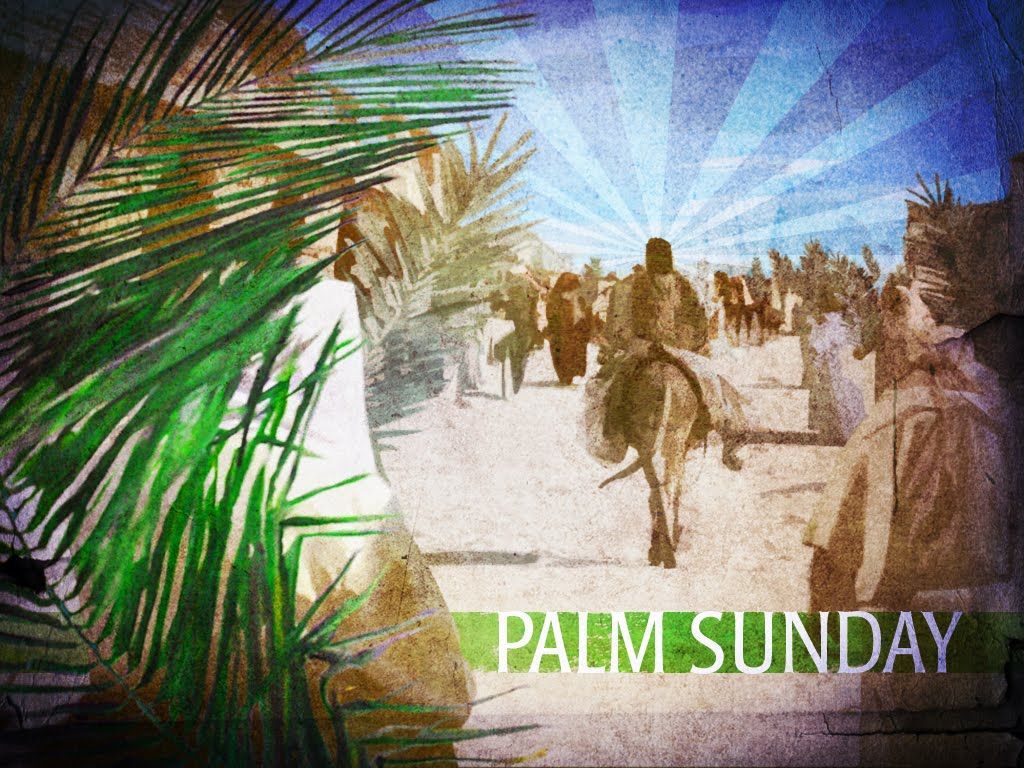
  Palm Sunday captures one of the most profound moments in the life of Christ—His triumphant entry into Jerusalem. The crowd, proclaiming “Hosanna,” laid palm branches and their garments along His path, signifying honor and praise. Jesus’ choice to ride a donkey rather than a warhorse was a deliberate and poignant act, demonstrating His kingship as one of humility, peace, and servanthood, rather than domination and conquest. This act fulfilled Zechariah’s prophecy (Zechariah 9:9) and served as a reminder that the Kingdom of God operates not through worldly power but through love, sacrifice, and redemption.

As Christians, this moment invites us to reflect on the duality of Christ’s mission: the joy and celebration of His kingship interwoven with the looming shadow of the cross. Palm Sunday is not merely a historical event; it is a living reminder of our own spiritual journey. We are called to lay down our “palms”—our pride, fears, and worldly desires—at the feet of Jesus, allowing Him to reign fully in our hearts. It challenges us to echo His humility and surrender ourselves in service to others, just as He surrendered Himself for the salvation of mankind.


Moral Thoughts:

  1. Humility Over Power: Jesus’ entry on a donkey teaches us to value humility, a virtue often overlooked in a world seeking status and power.
  2. Faith in Prophecy: His actions remind us that God’s promises are always fulfilled, even when His plans are beyond our understanding.
  3. A Call to Worship: The joy of Palm Sunday urges us to worship Christ with sincerity, not only in moments of celebration but also in times of trial.

Reflective Questions:

  1. What “palms” in your life can you lay down at the feet of Christ to let Him reign more fully?
  2. How does Christ’s example of humility inspire your own interactions and choices?
  3. Are you ready to embrace His peace and carry it into the world, even when it requires sacrifice?

Biblical Views and Analysis: The entry into Jerusalem was a moment saturated with meaning. It proclaimed Jesus as the Messiah, affirmed God’s faithfulness, and set the stage for His ultimate sacrifice. For believers, this event underscores the heart of Christian theology: that salvation is a gift of grace, bought at the cost of Christ’s life. It challenges us to trust in God’s plan, even when it diverges from our expectations, and to live with the same selflessness and purpose that Christ embodied.


True Worship for Christ: True worship arises from recognizing Christ as both Savior and Lord. On Palm Sunday, we join the multitudes in exclaiming, “Hosanna!” But beyond words, true worship is a life surrendered to His will—a life of love, service, and devotion to His teachings.


  Prayer of Thanks: “O Lord Jesus, we humbly thank Thee for Thy incredible love and sacrifice. On this Palm Sunday, we lift our voices in adoration, proclaiming, “Hosanna to the King of kings!” May we always honor Thy humility and follow in Thy footsteps, surrendering ourselves to Thy perfect will. Amen.”


Question for Reflection: How can you honor Christ’s kingship in your daily life and allow Him to shape your heart with His humility?


Verse for the Day:Let this mind be in you, which was also in Christ Jesus: Who, being in the form of God, thought it not robbery to be equal with God: But made himself of no reputation, and took upon him the form of a servant, and was made in the likeness of men.” Philippians 2:5-7 (KJV)

I hope this inspires a meaningful reflection for your Palm Sunday,

God Bless You All~

Premium Photo | Christianity celebration Christian Palm Sunday with ...


DEAR GOD: May We Receive The Heart Of A Servant For You~

Heart of a Servant | Answers to Life Ministry 


“For even the Son of Man came not to be served but to serve others and to give his life as a ransom for many.”
– Matthew 20:28 (NLT)


THE SERVANT HEART OF CHRIST

  Matthew 20:28 offers a profound insight into the nature and mission of Jesus Christ, encapsulating His selfless love and ultimate purpose. The imagery of the “Son of Man,” a title emphasizing both Christ’s humanity and divinity, highlights His intentional choice to embody humility and service. In a world often preoccupied with power and status, Jesus defies expectations by prioritizing servanthood over sovereignty.

This verse invites us to understand the depth of His sacrifice. Christ did not merely serve through teaching or healing, but He gave the ultimate gift—His life. By offering Himself as a ransom, He paid the price for our sins, bridging the gap between humanity and God. His actions redefine greatness, showing that true leadership comes through service and selflessness.

For believers, this verse serves as a call to imitate Christ’s servant heart. We are encouraged to approach our relationships and responsibilities with humility, seeking opportunities to uplift and support others. Through acts of service, we reflect His love and grace to the world around us.

This verse also challenges us to examine the motivations behind our actions. Are we seeking recognition or power, or are we living in a way that mirrors Christ’s sacrificial love? His example teaches us that fulfillment is not found in being served but in serving others with a heart aligned to God’s purpose.

Matthew 20:28 ultimately serves as a reminder that Christ’s love for us is not passive; it is active and transformative. It compels us to reorient our lives toward humility, compassion, and selfless devotion—hallmarks of His kingdom on earth.


Lord Jesus, thank You for modeling perfect humility and sacrificial love. Teach us to embrace Your servant heart, to seek not our own glory but to honor You through acts of kindness and service. Help us to live with compassion and purpose, guided by Your example. May our lives reflect the grace and love You have freely given. Amen.


Question: What is one way I can serve someone in need today, reflecting Christ’s love?


DEAR GOD: You Are A Testament Of Selfless Love~

Selfless Love - HavenToday.org


A Testament of Selfless Love

“Hereby perceive we the love of God, because he laid down his life for us: and we ought to lay down our lives for the brethren.” — 1 John 3:16


This verse is a profound reflection of the heart of Christianity: sacrificial love. It is through Jesus Christ’s ultimate act—laying down His life—that we understand the true depth of God’s love. His sacrifice was not for those who were worthy, but for us, imperfect and undeserving. This kind of love challenges us to move beyond selfishness and embrace a life of service to others.

The moral call here is unmistakable. Just as Christ gave Himself freely and fully, we are urged to lay down our lives—not necessarily in physical death, but in actions of selflessness and devotion for the betterment of our brethren. This could mean lending a hand to someone in need, listening with compassion, or boldly advocating for justice and truth. The act of “laying down” is not about losing ourselves but choosing to live in a way that reflects the love of God.

In this, we find the beauty of Christian ethics: Love is not measured in mere words but demonstrated in deeds. A life lived in service mirrors the example of Christ and brings His transformative power into our world. This is the essence of the Gospel—love expressed through sacrifice and action.


Reflective Questions:

  1. How does Christ’s sacrifice inspire the way you treat others?
  2. Are there moments where you feel called to serve but hesitate?
  3. How can selfless love bring healing to your relationships and community?

Supporting Scriptures:

  • John 15:13: “Greater love hath no man than this, that a man lay down his life for his friends.”
  • Philippians 2:3-4: “Do nothing out of selfish ambition or vain conceit. Rather, in humility value others above yourselves.”
  • Romans 12:10: “Be devoted to one another in love. Honor one another above yourselves.”
  • Luke 6:31: “Do to others as you would have them do to you.”

Prayer:

Father, we stand in awe of Your boundless love, revealed through the sacrifice of Your Son. Teach us to love others as You have loved us—selflessly and without conditions. Strengthen our hearts to serve with humility, kindness, and courage, even when it is difficult. May our actions reflect Your grace, and may our lives be testimonies of Your transforming love. In Jesus’ name, Amen.


Closing Reflection:

What specific acts of selfless love can you commit to today in honor of Christ’s example?

DEAR GOD: Thank You – Thank You- Thank You!~

Ephesians 1: have redemption through his blood (Listen to, Dramatized ...

 “In whom we have redemption through his blood, the forgiveness of sins, according to the riches of his grace.”

Ephesians 1:7


 Redeemed by His Blood: The Overflowing Grace of God

  Ephesians 1:7 holds within it the profound truth of the Christian faith. At its core, this verse reveals the heart of the gospel: redemption and forgiveness, freely given through the sacrificial blood of Jesus Christ. Redemption, as spoken here, refers to being “bought back” from the power of sin and death. It is through Christ’s atonement on the cross that this redemption becomes accessible. His blood cleanses us, making us new and allowing us to stand before God, not in our own righteousness, but clothed in Christ’s righteousness.

The forgiveness we receive is a direct reflection of the riches of God’s grace. His grace is not limited or conditional—it is boundless and overflows far beyond what we can comprehend. Through this gift of forgiveness, we experience a restored relationship with the Father. This redemption and forgiveness are not things we could ever earn; they are freely given, demonstrating the depth of God’s love for us.


Reflective Questions

  1. How often do I pause and truly reflect on the enormity of the gift of redemption?
  2. Am I fully living in the freedom of forgiveness, or do I hold onto guilt and shame?
  3. How can I show others the same grace and forgiveness that I have received?

Christianity and Gratitude for the Blood of Jesus

As Christians, we are continually called to remember the price that was paid for our redemption. The blood of Jesus, shed on Calvary, is the ultimate expression of love and sacrifice. This Divine act has covered our sins, allowing us to walk in newness of life.

Gratitude must be at the center of our response to this gift. In daily prayer, worship, and service, we express our thankfulness. Whether through singing hymns of praise, meditating on Scripture, or acts of kindness and love, we honor the sacrifice that has redeemed us.


Moral Thoughts

The redemption through Christ’s blood reminds us of our value in God’s eyes. We are no longer slaves to sin but children of God, heirs of His promises. This knowledge should transform the way we live. It calls us to strive for holiness, to forgive as we have been forgiven, and to extend compassion and love to others.

Living in the light of redemption also requires humility. We recognize that we did nothing to deserve such grace, and this understanding should keep us grounded, giving all glory to God.


Supporting Scriptures

  • Romans 5:8-9 – “But God commendeth his love toward us, in that, while we were yet sinners, Christ died for us. Much more then, being now justified by his blood, we shall be saved from wrath through him.”
  • Hebrews 9:12 – “Neither by the blood of goats and calves, but by his own blood he entered in once into the holy place, having obtained eternal redemption for us.”
  • Isaiah 1:18 – “Come now, and let us reason together, saith the Lord: though your sins be as scarlet, they shall be as white as snow; though they be red like crimson, they shall be as wool.”
  • 1 Peter 1:18-19 – “Forasmuch as ye know that ye were not redeemed with corruptible things, as silver and gold, from your vain conversation received by tradition from your fathers; But with the precious blood of Christ, as of a lamb without blemish and without spot.”

Analysis and Overview

This verse demonstrates the magnitude of God’s plan for humanity. In the context of Ephesians 1, Paul is writing to the church at Ephesus, emphasizing the spiritual blessings believers have in Christ. Redemption through His blood is central to these blessings. It highlights God’s sovereignty and His deliberate plan to reconcile humanity to Himself.

From a theological perspective, redemption is not just the removal of sin but the restoration of our identity as children of God. Paul’s mention of “the riches of his grace” underscores that God’s grace is inexhaustible—it cannot be depleted, no matter how great our sins. This eternal truth provides assurance and hope to all believers.


Worship and Daily Devotion

Worshiping the Lord daily is a fitting response to the gift of redemption. Through prayer, Scripture reading, and acts of worship, we draw closer to Him. A heart of worship involves not only singing songs of praise but living a life that reflects His love.

In practical terms, this could mean starting each day by thanking God for the blessings of redemption, meditating on Scriptures that remind us of His grace, and seeking opportunities to serve others in His name. Worship is not limited to Sundays—it is a daily practice that centers our hearts on God and reminds us of His continual presence in our lives.


Purposeful Thankful Prayer

“LORD-Our humble and grateful hearts flow with love, thanking You for the immeasurable gift of redemption through the blood of Your Son, Jesus Christ, our LORD and Savior. Thank You for forgiving our sins and reconciling us to Yourself. May our lives be a reflection of Your grace and love. Help us to walk in righteousness, to forgive as we have been forgiven, and to live each day in worship and obedience to You. Let our hearts overflow with gratitude, and may our lives bring glory to Your name. In Jesus’ name, we pray. Amen.”


How does the reality of God’s grace and redemption influence the way you live and worship each day?

DEAR GOD: I Love To Pray With You Quietly By Myself~

Jesus Prays - Believe and Obey

“And when He had sent the multitudes away, He went up into a mountain apart to pray: and when the evening was come, He was there alone.” –

Matthew 14:23 (KJV)


Solitude with the Father: A Reflection on Christ’s Prayer Life

In this beautiful moment, we witness Jesus modeling the perfect example of solitude and communion with the Father. Amid the busyness of his ministry and the demands of the multitudes, he intentionally withdrew to a place of stillness to pour out his heart in prayer. This practice was not an isolated event; time and again, the Gospels recount instances of Jesus seeking solitude to align his will with the Father’s and to find renewal for his spirit.

Christ’s dedication to prayer serves as a profound reminder of the importance of maintaining a personal and intimate relationship with God. His retreat into the quiet places teaches us that even amidst the pressures of life, we too must prioritize our connection with the Divine. Prayer is not merely a ritual or obligation; it is a lifeline, a sacred conversation that draws us nearer to the heart of God.

Throughout his ministry, Jesus demonstrated a balance between public ministry and private devotion. Consider Mark 1:35, where “in the morning, rising up a great while before day, he went out, and departed into a solitary place, and there prayed.” He often rose early or stayed late, making time for uninterrupted fellowship with his Father. This intentionality speaks volumes about his priorities and reliance on Divine guidance.

The moral lesson here is clear: if Christ, the Son of God, deemed prayer essential, how much more do we, as fallible humans, need to cultivate this habit? When we step away from the noise and distractions of life, we create space for God to speak to our hearts, to strengthen us, and to guide our steps. Solitude with God equips us to face the challenges of the day with clarity, peace, and purpose.

On a broader level, Christianity as a faith is deeply rooted in the practice of prayer. It is through prayer that we express our adoration, confession, thanksgiving, and supplication. Christ’s example invites us to move beyond surface-level prayers and into a deeper, more vulnerable relationship with God. It challenges us to seek not just answers or blessings, but the Presence of the Father himself.

Let us not forget the words of Philippians 4:6, which encourage us to “be careful for nothing; but in every thing by prayer and supplication with thanksgiving let your requests be made known unto God.” In a world that often pulls us in a thousand directions, we are called to anchor ourselves in the steadfast love of the Lord through prayer.


Let us pray:

“Heavenly Father, we thank you for the gift of prayer and the example of Your Son, Jesus Christ. Teach us to seek You with the same fervor and devotion that He displayed. In moments of chaos and calm alike, remind us to draw near to You, to find rest in Your Presence, and to align our hearts with Your will. Thank You for Your constant love and Your willingness to meet us where we are. May our lives be a reflection of our communion with You. In Jesus’ name, Amen.”


Question for the day: How can you create moments of quiet solitude to deepen your relationship with God?

Jesus Praying On The Mountain Wallpaper


DEAR GOD: Jesus, Our Protector and Loving Savior Thank You~

Jesus Christ Love Wallpaper

“Jesus, Our Protector and Loving Savior”

Verse to Start: “The Lord is my shepherd; I have all that I need.” – Psalm 23:1 (NLT)

The Love and Protection of Jesus This verse paints a vivid picture of Jesus’ tender love and constant care for His children. Like a shepherd tending to his flock, Jesus protects us from harm, nourishes our souls, and provides for our needs. His love is a fortress, shielding us from the evil that seeks to consume. It’s not a passive kind of love—it’s active, pursuing, and unrelenting.

Throughout Scripture, we see His protective hand at work. John 10:14-15 reminds us: “I am the good shepherd; I know my own sheep, and they know me, just as my Father knows me and I know the Father. So I sacrifice my life for the sheep.” The ultimate expression of His love is seen in His willingness to lay down His life for us, ensuring our eternal security.

Christians today often share stories of how Jesus has intervened in their lives during moments of darkness. Whether it’s overcoming addiction, finding peace in the midst of storms, or escaping dangerous situations, His love and protection remain evident. This is a testament to the unchanging nature of His promises. He is the same yesterday, today, and forever (Hebrews 13:8).

Reflective Questions

  • How have I experienced Jesus’ love as a protector in my life?
  • Are there areas in my life where I need to trust His care more deeply?
  • How can I reflect His love and protection to others around me?

Moral Thoughts and Biblical Overview Jesus’ love calls us to live as His children—not just in name, but in action. His protection over us teaches us to be bold in faith and compassionate in love. Just as He shields us from evil, we are called to help guard and uplift those who are vulnerable. This echoes the moral principle found in Galatians 6:2: “Share each other’s burdens, and in this way obey the law of Christ.”

The Bible consistently reveals God’s protective nature, from the deliverance of Israel to the promises of Jesus in the Gospels. Psalm 91:2 reassures us, “This I declare about the Lord: He alone is my refuge, my place of safety; he is my God, and I trust him.” We are not alone in our battles—His love surrounds us like a fortress.

Prayer Dear Jesus, Thank You for being our Good Shepherd, always watching over us and leading us in love. Your sacrifice for us shows a depth of love we cannot fully comprehend. Help us to walk confidently in the knowledge that You protect us from evil and guide us through life’s trials. Teach us to love as You love, to protect others as You protect us, and to trust Your plans in every season. Thank You for calling us Your children. Amen.

Reflective Meditation Today, as you go about your day, take a moment to pause and reflect on the love of Jesus. Picture yourself as one of His sheep, safe in His care. Hear His voice calling your name, reminding you that you are loved, cherished, and protected. Carry this peace with you, knowing that no matter what challenges arise, He is with you every step of the way.

DEAR GOD: You Are The GOD Who Knows Our Hearts~

The Lord Knows Your Heart | Devotional | Bible Study Media

But I, the LORD, search all hearts and examine secret motives. I give all people their due rewards, according to what their actions deserve.” Jeremiah 17:10


This verse from Jeremiah 17:10 is a profound reminder of God’s intimate knowledge of our innermost being. It highlights His divine ability to see beyond appearances and into the depths of our hearts, understanding our motives, thoughts, and intentions in ways we cannot fully comprehend. It also underscores God’s justice, as He rewards each individual based on their actions and the authenticity of their intentions.

In our daily lives, we may encounter situations where outward appearances can be deceiving. For instance, someone might perform a seemingly generous act but with hidden motives of gaining recognition or advantage. Conversely, an act of kindness done quietly and humbly may go unnoticed by others but never by the Lord. This scripture reassures us that God’s judgment is not based on external acts alone but on the sincerity and purity of our hearts.

Reflect on this: When was the last time you paused to examine the motives behind your actions? Are they self-serving, or are they driven by love, humility, and obedience to God? It’s an invitation to strive for a life of integrity, where our hearts align with His will.

Supportive scriptures that echo this message include:

  • Proverbs 21:2: “People may be right in their own eyes, but the Lord examines their heart.”
  • 1 Samuel 16:7: “The Lord doesn’t see things the way you see them. People judge by outward appearance, but the Lord looks at the heart.”
  • Psalm 139:1-2: “O Lord, you have examined my heart and know everything about me. You know when I sit down or stand up. You know my thoughts even when I’m far away.”

From a biblical perspective, this verse reminds us of both God’s love and justice. He is a loving Father who knows us better than we know ourselves. His deep understanding of our hearts is not to condemn but to guide us toward transformation and righteousness. God’s judgment is always fair, and His mercy is abundant for those who repent and seek Him.

Moral thoughts: This verse calls us to live authentically and honestly before God. Our actions should be an outflow of a heart that seeks to honor Him. Knowing that He searches our hearts should inspire humility and a willingness to allow Him to shape us according to His purpose.

Prayer: Gracious and all-knowing Lord, we thank You for Your love that sees beyond our imperfections and into our hearts. Thank You for examining our motives and guiding us toward truth and righteousness. Help us to live with integrity, to act in ways that honor You, and to trust in Your just and perfect judgment. May our hearts be pure and pleasing in Your sight, and may our lives reflect Your love and grace. In Jesus’ name, Amen.

Meditative Thought for the Day: God knows my heart completely. Today, once again – and always-I choose to live honestly and humbly before Him, allowing His love to guide my motives and actions.

God Bless you all~

Only God Knows The Hearts Of Men | Christian Forums