
DEAR GOD: We Have Sustaining Goodness Through You Alone~

Goodness of God - Lyrics, Hymn Meaning and Story

“O taste and see that the LORD is good: blessed is the man that trusteth in him.” — Psalm 34:8


 The Sustaining Goodness of God: A Call to Trust and Reverence


In-Depth Analysis of the Verse:

Psalm 34:8 is a resounding invitation to experience the goodness of God firsthand. The imagery of “taste and see” suggests a personal and intimate encounter with the divine. It invites believers to move beyond a superficial understanding of God and dive into the depths of His faithfulness, mercy, and love. To “taste” implies savoring and discerning; to “see” calls us to recognize and witness His goodness in our lives and the world around us. The verse also highlights the transformative reward of trusting in God—a life imbued with blessings and spiritual fulfillment.

This scripture challenges us to open our hearts to God’s provision and guidance. His goodness isn’t fleeting; it’s eternal, unchanging, and meant to sustain us through trials and triumphs. Whether in moments of joy or sorrow, God’s goodness envelops us like a shelter, promising refuge to those who place their trust in Him.


Supporting Scriptures:

  • “For the LORD is good; his mercy is everlasting; and his truth endureth to all generations.” — Psalm 100:5
  • “The earth is full of the goodness of the LORD.” — Psalm 33:5
  • “Every good gift and every perfect gift is from above, and cometh down from the Father of lights, with whom is no variableness, neither shadow of turning.” — James 1:17

These verses further affirm the boundless nature of God’s goodness. They reveal His mercies as everlasting and His truth as enduring, inviting us to rest confidently in His care.


Reflective Questions:

  1. How do you “taste and see” God’s goodness in your daily life?
  2. Are there moments when you’ve hesitated to trust God fully? What can this verse teach you about surrender?
  3. In what ways can you share the goodness of God with others?

Heartfelt Commentary:

To love and honor God daily is to acknowledge the depth of His goodness in all we do. It begins with gratitude—cultivating a heart that recognizes His blessings, both seen and unseen. When we wake in the morning, the breath in our lungs is a testament to His sustaining mercy. When we face challenges, His grace equips us to endure. To live a life that honors God is to carry His truth into every sphere of our existence, from the words we speak to the choices we make.

God’s goodness calls us to live respectfully and responsibly. In our dealings with others, we are to embody His kindness and compassion. In our work, we are to strive for excellence, not for personal acclaim but as an act of worship. In our thoughts, we are to reflect His purity and holiness, guarding against pride and selfish ambition. This daily commitment to honor God shapes us into vessels of His love, a reflection of His light in a world that often forgets to seek Him.


Meditative Question:

How can you make honoring God a consistent part of your daily life, even in the smallest acts?


 “LORD-Heavenly Father, You are the essence of goodness, a wellspring of mercy and grace that never runs dry. We come before You, humbled by Your love and awestruck by Your faithfulness. Teach us to taste and see Your goodness, to trust in You with unwavering hearts. May our lives honor You in word, thought, and deed. Grant us the wisdom to walk respectfully and humbly in Your ways, sharing Your love with those around us. Help us to reflect Your light and glorify Your name daily. We offer You our lives, our praise, and our gratitude, knowing that all goodness flows from You. In Jesus’ name, Amen.”

DEAR GOD: We’re Held by Eternal Grace~

The Gift Of God Is Eternal Life HD Jesus Wallpapers | HD Wallpapers ...


And I give unto them eternal life; and they shall never perish, neither shall any man pluck them out of my hand. My Father, which gave them me, is greater than all; and no man is able to pluck them out of my Father’s hand. I and my Father are one.” John 10:28-30 


This passage from John 10:28–30 is a profound assurance of divine security and unity. Jesus promises eternal life to His followers—a gift not based on merit but on grace—and declares that they are safeguarded by His hand. This imagery emphasizes not only the strength of Christ’s hold but also the loving intimacy of being “in His hand.” The verse further highlights the authority and supremacy of God, the Father, who entrusts His children to Jesus, ensuring no power can sever the bond of divine love. The unity of “I and my Father are one” reveals the harmonious and inseparable relationship between Christ and the Father, drawing us into their shared purpose of redemption.


Reflective Questions:

  • How does the promise of eternal life influence your trust in God’s plan?
  • What does being held in Jesus’ hand mean for your daily walk of faith?
  • How can you rest in the knowledge that no power can separate you from God’s love?

Supporting Scriptures:

  • Romans 8:38–39: “For I am persuaded, that neither death, nor life, … shall be able to separate us from the love of God, which is in Christ Jesus our Lord.”
  • Isaiah 41:10: “Fear thou not; for I am with thee: … I will uphold thee with the right hand of my righteousness.”
  • John 14:6: “Jesus saith unto him, I am the way, the truth, and the life: no man cometh unto the Father, but by me.”

Moral Thoughts: The unwavering promise of eternal life calls us to live with unshakeable faith, courage, and peace. In biblical times, when people endured persecution and hardship, this promise was their anchor. Today, though some challenges differ, the temptation to doubt, to fear, and to feel overwhelmed persists. Yet the assurance of being held in God’s hand remains unchanged—a call to turn from worldly anxieties and dwell instead in His sovereignty and grace.


Loving Tribute to the LORD: In this scripture, we are reminded of the incomprehensible love and strength of the Almighty. The Lord is the Shepherd who never forsakes His sheep, the Rock on which we stand, the Redeemer whose sacrifice ensures eternal life. He is greater than all, the source of all goodness and truth, and the One who unites us to Himself through Christ. What gratitude we owe Him for the gift of salvation, for His eternal hand that protects and sustains us.


Heartfelt Prayer: O Lord, our eternal refuge, We bow before You, humbled by Your love and power. You are the giver of life that never ends, the Hand that holds us firm. In Your grasp, we are secure; no force can snatch us away. You, O Father, are greater than all, and Your unity with Christ renews us daily. Teach us to rest in Your promises, to live boldly in Your truth, And to bring glory to Your holy name in all we do. Thank You for your tender mercy and the eternal covenant You have made with us. To You be all honor, majesty, and praise. Amen.


Reflective Question to Meditate Upon: In what ways can you deepen your daily trust in being held by the Lord?

Amazing Grace Wallpaper (70+ images)


DEAR GOD: You Are The Supreme Majesty Of Love & Grace~

Christian Love Clipart | Free Clipart Images of Love in Christianity


“Owe no man any thing, but to love one another: for he that loveth another hath fulfilled the law.” –
Romans 13:8


 Romans 13:8 calls us to a profound and timeless truth: love is the ultimate debt we owe to one another. This verse transcends the transactional nature of human relationships, urging us to embrace love as a perpetual obligation. In a world often driven by self-interest and materialism, this scripture reminds us that love is not a fleeting emotion but a deliberate and ongoing act of will. It is through love that we fulfill the law, as Jesus Himself affirmed when He said, “Thou shalt love thy neighbour as thyself” (Matthew 22:39).

In today’s world, where divisions and conflicts often dominate, this verse challenges Christians to rise above societal norms and embody the love of Christ. It calls us to be peacemakers, bridge-builders, and bearers of compassion. Love, as described here, is not limited to those who are easy to love; it extends to strangers, adversaries, and those in need. It is a love that mirrors the sacrificial love of Jesus, who gave Himself for us while we were yet sinners (Romans 5:8).

Supporting scriptures reinforce this message. Galatians 5:14 declares, “For all the law is fulfilled in one word, even in this; Thou shalt love thy neighbour as thyself.” Similarly, 1 Corinthians 13:13 reminds us that “the greatest of these is love.” These verses collectively emphasize that love is the cornerstone of Christian living, the essence of our faith, and the reflection of God’s character.

Morally, this verse invites us to examine our lives and relationships. Are we living in a way that reflects the love of Christ? Are we forgiving, patient, and kind, even when it is difficult? It challenges us to move beyond superficial acts of kindness and to engage in genuine, selfless love that seeks the well-being of others.

Prayer: Heavenly Father, thank You for the gift of Your love, which surpasses all understanding. Teach us to love one another as You have loved us. Help us to see others through Your eyes, to forgive as You forgive, and to serve with humility and grace. May our lives be a testament to Your love, drawing others closer to You. In Jesus’ name, Amen.


Question for the Day: How can you demonstrate Christ-like love to someone in your life today?


Blessing: May the love of God fill your heart and overflow into every relationship. May you walk in His grace, guided by His Spirit, and may His peace surround you always. God Bless You All~

DEAR GOD: I See The Beauty Of Your Creation Everywhere!~

Praise the Lord Wallpaper - Free Flowers Desktop Backgrounds

“The heavens proclaim the glory of God. The skies display his craftsmanship.” – Psalm 19:1 (NLT)


The Beauty of God’s Creation-

God’s creation is a masterpiece that speaks of His infinite beauty and artistry. The heavens, with their vast expanse filled with stars, remind us of His magnificence and His power to create wonders beyond comprehension. The intricate colors of a sunrise, the gentle sway of trees in the wind, and the rhythmic crashing of ocean waves are whispers of His creativity.

Everything we see, from the smallest flower to the highest mountain peak, reflects His intention and purpose. He designed the world not only to sustain us but to inspire awe and draw us closer to Him. When we pause to truly see His craftsmanship, it fills our hearts with gratitude, reminding us that the God who created all of this also formed us with love and care.

-Sounds, sights, taste, all part of His Divine Creation –

The roar of an ocean, the gurgling sounds of a brook, the soft symphonic chords of an angelic harp, a tasty, delectable morsel of food, from sweet to bitter – a beautiful display of flowering wild orchards in a field of green.  All these and more – are reminiscent and all because of the LORD’s brilliance and hands of Creation and love.

Be aware of how much the LORD loves and how if we take a moment we will not only see-but we will feel the overwhelming power of His love and faithfulness!

Have you thanked Him lately?

 “Heavenly Father, thank You for the beauty of creation that surrounds us. You are the master artist, and Your work declares Your glory. Let every sunrise remind us of Your mercies and every star-filled night reflect Your endless love. We praise You, Creator God, for showing us Your character through the wonders of Your hands. In Jesus’ name, Amen.”

Questions for Reflection-

What part of God’s creation speaks to you most, and how does it inspire you to worship Him more deeply? And how thankful are You for His hands of mercy and love?

10 Puja Flowers that Can Be Offered to God

DEAR GOD: You Are My Eternal Fortress~

God Is Our Fortress - Servants of Grace

 “The LORD is my rock, and my fortress, and my deliverer; my God, my strength, in whom I will trust; my buckler, and the horn of my salvation, and my high tower.” – Psalm 18:2 (KJV)

The Eternal Fortress: God’s Protection Through Time

  The human experience is filled with challenges and uncertainties, but one truth remains steadfast across generations: God’s unwavering protection. Psalm 18:2 portrays the LORD as the ultimate defender and refuge, using vivid metaphors like “rock,” “fortress,” and “high tower.” These images convey not only God’s strength but also His impenetrable nature as a sanctuary for His people. He is described as a “buckler,” a shield of defense, and the “horn of salvation,” symbolizing power and deliverance.

This verse, attributed to King David, was penned in gratitude to God for delivering him from his enemies. David’s life was fraught with trials—facing Goliath, fleeing from Saul, and leading a nation amidst war and betrayal. Despite all this, David continually found protection in the LORD. His trust in God was not passive; it was active, grounded in faith and worship. This teaches us that God’s protection doesn’t mean the absence of hardships but His presence within them.

Supporting Scriptures:

  • Psalm 46:1 – “God is our refuge and strength, a very present help in trouble.”
  • Proverbs 18:10 – “The name of the LORD is a strong tower: the righteous runneth into it, and is safe.”
  • Isaiah 41:10 – “Fear thou not; for I am with thee: be not dismayed; for I am thy God: I will strengthen thee; yea, I will help thee; yea, I will uphold thee with the right hand of my righteousness.”
  • John 10:28-29 – Jesus assures us that no one can snatch us from His hand, emphasizing God’s eternal protection.

In both Christianity yesterday and today, the theme of God’s protection continues to resonate deeply. Early Christians faced persecution and martyrdom, yet they placed their trust in the rock of their salvation, proclaiming God’s faithfulness even in the face of death. Today, believers still face challenges, whether physical, emotional, or spiritual. The cultural and technological shifts of modern times may differ from the struggles of biblical eras, but the need for God’s protective grace remains unchanged.

Moral Thoughts and Attitudes: The recognition of God as our protector encourages us to live with courage and humility. Knowing He is our fortress should shape our attitudes, making us bold in faith and gentle in spirit. It also reminds us to extend God’s protective care to others, serving as shields for those who are vulnerable or in need. The humility that comes from relying on God instead of our own strength fosters gratitude and deepens our worship.

Prayer: Loving and mighty God, You are our rock and refuge, a fortress in times of distress. Thank You for being our shield, our deliverer, and our salvation. We praise You for Your faithfulness and for the assurance that no enemy can prevail against us when we rest in You. Teach us to trust You fully, even when storms surround us, and to reflect Your protective love to others. Let our hearts always find peace in the shadow of Your wings. In Jesus’ name, Amen.

Question: How can we cultivate a deeper trust in God’s protection, especially during moments of fear or uncertainty?

DEAR GOD: May We Receive The Heart Of A Servant For You~

Heart of a Servant | Answers to Life Ministry 


“For even the Son of Man came not to be served but to serve others and to give his life as a ransom for many.”
– Matthew 20:28 (NLT)


THE SERVANT HEART OF CHRIST

  Matthew 20:28 offers a profound insight into the nature and mission of Jesus Christ, encapsulating His selfless love and ultimate purpose. The imagery of the “Son of Man,” a title emphasizing both Christ’s humanity and divinity, highlights His intentional choice to embody humility and service. In a world often preoccupied with power and status, Jesus defies expectations by prioritizing servanthood over sovereignty.

This verse invites us to understand the depth of His sacrifice. Christ did not merely serve through teaching or healing, but He gave the ultimate gift—His life. By offering Himself as a ransom, He paid the price for our sins, bridging the gap between humanity and God. His actions redefine greatness, showing that true leadership comes through service and selflessness.

For believers, this verse serves as a call to imitate Christ’s servant heart. We are encouraged to approach our relationships and responsibilities with humility, seeking opportunities to uplift and support others. Through acts of service, we reflect His love and grace to the world around us.

This verse also challenges us to examine the motivations behind our actions. Are we seeking recognition or power, or are we living in a way that mirrors Christ’s sacrificial love? His example teaches us that fulfillment is not found in being served but in serving others with a heart aligned to God’s purpose.

Matthew 20:28 ultimately serves as a reminder that Christ’s love for us is not passive; it is active and transformative. It compels us to reorient our lives toward humility, compassion, and selfless devotion—hallmarks of His kingdom on earth.


Lord Jesus, thank You for modeling perfect humility and sacrificial love. Teach us to embrace Your servant heart, to seek not our own glory but to honor You through acts of kindness and service. Help us to live with compassion and purpose, guided by Your example. May our lives reflect the grace and love You have freely given. Amen.


Question: What is one way I can serve someone in need today, reflecting Christ’s love?


DEAR GOD: You Are A Testament Of Selfless Love~

Selfless Love - HavenToday.org


A Testament of Selfless Love

“Hereby perceive we the love of God, because he laid down his life for us: and we ought to lay down our lives for the brethren.” — 1 John 3:16


This verse is a profound reflection of the heart of Christianity: sacrificial love. It is through Jesus Christ’s ultimate act—laying down His life—that we understand the true depth of God’s love. His sacrifice was not for those who were worthy, but for us, imperfect and undeserving. This kind of love challenges us to move beyond selfishness and embrace a life of service to others.

The moral call here is unmistakable. Just as Christ gave Himself freely and fully, we are urged to lay down our lives—not necessarily in physical death, but in actions of selflessness and devotion for the betterment of our brethren. This could mean lending a hand to someone in need, listening with compassion, or boldly advocating for justice and truth. The act of “laying down” is not about losing ourselves but choosing to live in a way that reflects the love of God.

In this, we find the beauty of Christian ethics: Love is not measured in mere words but demonstrated in deeds. A life lived in service mirrors the example of Christ and brings His transformative power into our world. This is the essence of the Gospel—love expressed through sacrifice and action.


Reflective Questions:

  1. How does Christ’s sacrifice inspire the way you treat others?
  2. Are there moments where you feel called to serve but hesitate?
  3. How can selfless love bring healing to your relationships and community?

Supporting Scriptures:

  • John 15:13: “Greater love hath no man than this, that a man lay down his life for his friends.”
  • Philippians 2:3-4: “Do nothing out of selfish ambition or vain conceit. Rather, in humility value others above yourselves.”
  • Romans 12:10: “Be devoted to one another in love. Honor one another above yourselves.”
  • Luke 6:31: “Do to others as you would have them do to you.”

Prayer:

Father, we stand in awe of Your boundless love, revealed through the sacrifice of Your Son. Teach us to love others as You have loved us—selflessly and without conditions. Strengthen our hearts to serve with humility, kindness, and courage, even when it is difficult. May our actions reflect Your grace, and may our lives be testimonies of Your transforming love. In Jesus’ name, Amen.


Closing Reflection:

What specific acts of selfless love can you commit to today in honor of Christ’s example?

DEAR GOD: Thank You – Thank You- Thank You!~

Ephesians 1: have redemption through his blood (Listen to, Dramatized ...

 “In whom we have redemption through his blood, the forgiveness of sins, according to the riches of his grace.”

Ephesians 1:7


 Redeemed by His Blood: The Overflowing Grace of God

  Ephesians 1:7 holds within it the profound truth of the Christian faith. At its core, this verse reveals the heart of the gospel: redemption and forgiveness, freely given through the sacrificial blood of Jesus Christ. Redemption, as spoken here, refers to being “bought back” from the power of sin and death. It is through Christ’s atonement on the cross that this redemption becomes accessible. His blood cleanses us, making us new and allowing us to stand before God, not in our own righteousness, but clothed in Christ’s righteousness.

The forgiveness we receive is a direct reflection of the riches of God’s grace. His grace is not limited or conditional—it is boundless and overflows far beyond what we can comprehend. Through this gift of forgiveness, we experience a restored relationship with the Father. This redemption and forgiveness are not things we could ever earn; they are freely given, demonstrating the depth of God’s love for us.


Reflective Questions

  1. How often do I pause and truly reflect on the enormity of the gift of redemption?
  2. Am I fully living in the freedom of forgiveness, or do I hold onto guilt and shame?
  3. How can I show others the same grace and forgiveness that I have received?

Christianity and Gratitude for the Blood of Jesus

As Christians, we are continually called to remember the price that was paid for our redemption. The blood of Jesus, shed on Calvary, is the ultimate expression of love and sacrifice. This Divine act has covered our sins, allowing us to walk in newness of life.

Gratitude must be at the center of our response to this gift. In daily prayer, worship, and service, we express our thankfulness. Whether through singing hymns of praise, meditating on Scripture, or acts of kindness and love, we honor the sacrifice that has redeemed us.


Moral Thoughts

The redemption through Christ’s blood reminds us of our value in God’s eyes. We are no longer slaves to sin but children of God, heirs of His promises. This knowledge should transform the way we live. It calls us to strive for holiness, to forgive as we have been forgiven, and to extend compassion and love to others.

Living in the light of redemption also requires humility. We recognize that we did nothing to deserve such grace, and this understanding should keep us grounded, giving all glory to God.


Supporting Scriptures

  • Romans 5:8-9 – “But God commendeth his love toward us, in that, while we were yet sinners, Christ died for us. Much more then, being now justified by his blood, we shall be saved from wrath through him.”
  • Hebrews 9:12 – “Neither by the blood of goats and calves, but by his own blood he entered in once into the holy place, having obtained eternal redemption for us.”
  • Isaiah 1:18 – “Come now, and let us reason together, saith the Lord: though your sins be as scarlet, they shall be as white as snow; though they be red like crimson, they shall be as wool.”
  • 1 Peter 1:18-19 – “Forasmuch as ye know that ye were not redeemed with corruptible things, as silver and gold, from your vain conversation received by tradition from your fathers; But with the precious blood of Christ, as of a lamb without blemish and without spot.”

Analysis and Overview

This verse demonstrates the magnitude of God’s plan for humanity. In the context of Ephesians 1, Paul is writing to the church at Ephesus, emphasizing the spiritual blessings believers have in Christ. Redemption through His blood is central to these blessings. It highlights God’s sovereignty and His deliberate plan to reconcile humanity to Himself.

From a theological perspective, redemption is not just the removal of sin but the restoration of our identity as children of God. Paul’s mention of “the riches of his grace” underscores that God’s grace is inexhaustible—it cannot be depleted, no matter how great our sins. This eternal truth provides assurance and hope to all believers.


Worship and Daily Devotion

Worshiping the Lord daily is a fitting response to the gift of redemption. Through prayer, Scripture reading, and acts of worship, we draw closer to Him. A heart of worship involves not only singing songs of praise but living a life that reflects His love.

In practical terms, this could mean starting each day by thanking God for the blessings of redemption, meditating on Scriptures that remind us of His grace, and seeking opportunities to serve others in His name. Worship is not limited to Sundays—it is a daily practice that centers our hearts on God and reminds us of His continual presence in our lives.


Purposeful Thankful Prayer

“LORD-Our humble and grateful hearts flow with love, thanking You for the immeasurable gift of redemption through the blood of Your Son, Jesus Christ, our LORD and Savior. Thank You for forgiving our sins and reconciling us to Yourself. May our lives be a reflection of Your grace and love. Help us to walk in righteousness, to forgive as we have been forgiven, and to live each day in worship and obedience to You. Let our hearts overflow with gratitude, and may our lives bring glory to Your name. In Jesus’ name, we pray. Amen.”


How does the reality of God’s grace and redemption influence the way you live and worship each day?

DEAR GOD: I Love To Pray With You Quietly By Myself~

Jesus Prays - Believe and Obey

“And when He had sent the multitudes away, He went up into a mountain apart to pray: and when the evening was come, He was there alone.” –

Matthew 14:23 (KJV)


Solitude with the Father: A Reflection on Christ’s Prayer Life

In this beautiful moment, we witness Jesus modeling the perfect example of solitude and communion with the Father. Amid the busyness of his ministry and the demands of the multitudes, he intentionally withdrew to a place of stillness to pour out his heart in prayer. This practice was not an isolated event; time and again, the Gospels recount instances of Jesus seeking solitude to align his will with the Father’s and to find renewal for his spirit.

Christ’s dedication to prayer serves as a profound reminder of the importance of maintaining a personal and intimate relationship with God. His retreat into the quiet places teaches us that even amidst the pressures of life, we too must prioritize our connection with the Divine. Prayer is not merely a ritual or obligation; it is a lifeline, a sacred conversation that draws us nearer to the heart of God.

Throughout his ministry, Jesus demonstrated a balance between public ministry and private devotion. Consider Mark 1:35, where “in the morning, rising up a great while before day, he went out, and departed into a solitary place, and there prayed.” He often rose early or stayed late, making time for uninterrupted fellowship with his Father. This intentionality speaks volumes about his priorities and reliance on Divine guidance.

The moral lesson here is clear: if Christ, the Son of God, deemed prayer essential, how much more do we, as fallible humans, need to cultivate this habit? When we step away from the noise and distractions of life, we create space for God to speak to our hearts, to strengthen us, and to guide our steps. Solitude with God equips us to face the challenges of the day with clarity, peace, and purpose.

On a broader level, Christianity as a faith is deeply rooted in the practice of prayer. It is through prayer that we express our adoration, confession, thanksgiving, and supplication. Christ’s example invites us to move beyond surface-level prayers and into a deeper, more vulnerable relationship with God. It challenges us to seek not just answers or blessings, but the Presence of the Father himself.

Let us not forget the words of Philippians 4:6, which encourage us to “be careful for nothing; but in every thing by prayer and supplication with thanksgiving let your requests be made known unto God.” In a world that often pulls us in a thousand directions, we are called to anchor ourselves in the steadfast love of the Lord through prayer.


Let us pray:

“Heavenly Father, we thank you for the gift of prayer and the example of Your Son, Jesus Christ. Teach us to seek You with the same fervor and devotion that He displayed. In moments of chaos and calm alike, remind us to draw near to You, to find rest in Your Presence, and to align our hearts with Your will. Thank You for Your constant love and Your willingness to meet us where we are. May our lives be a reflection of our communion with You. In Jesus’ name, Amen.”


Question for the day: How can you create moments of quiet solitude to deepen your relationship with God?

Jesus Praying On The Mountain Wallpaper


DEAR GOD: We Are Healed By His Stripes – Amen!~

By His Stripes We Are Healed

But He was wounded for our transgressions,
He was ]bruised for our iniquities;
The chastisement for our peace was upon Him,
And by His stripes we are healed.
 All we like sheep have gone astray;
We have turned, every one, to his own way;
And the Lord has laid on Him the iniquity of us all.

Isaiah 53:5-6


Biblical Reflection on Isaiah 53:5-6

The verses from Isaiah 53:5-6 are among the most poignant in Scripture, revealing the sacrificial love of Christ and the redemption He offers humanity. These words transcend time, presenting a vision of Christianity that remains vital yesterday, today, and always.

This prophecy, written centuries before Jesus walked the earth, foretells His suffering and ultimate victory. “He was wounded for our transgressions; He was bruised for our iniquities.” This illustrates the gravity of sin—not just as a failing but as a burden that required divine intervention. By taking our punishment, Jesus bore the weight of humanity’s rebellion. In His stripes, the evidence of physical torment, we find healing—not merely physical, but spiritual and eternal restoration.

The imagery of sheep going astray is profound. Sheep are helpless creatures, prone to wander and incapable of finding their way back without guidance. This metaphor illustrates the human condition—our tendency to follow personal desires, often at the expense of God’s will. Yet the Lord’s intervention redirects us. The Good Shepherd does not abandon His flock but brings us back into fellowship, offering grace and redemption.

Scriptural Support and Moral Insights

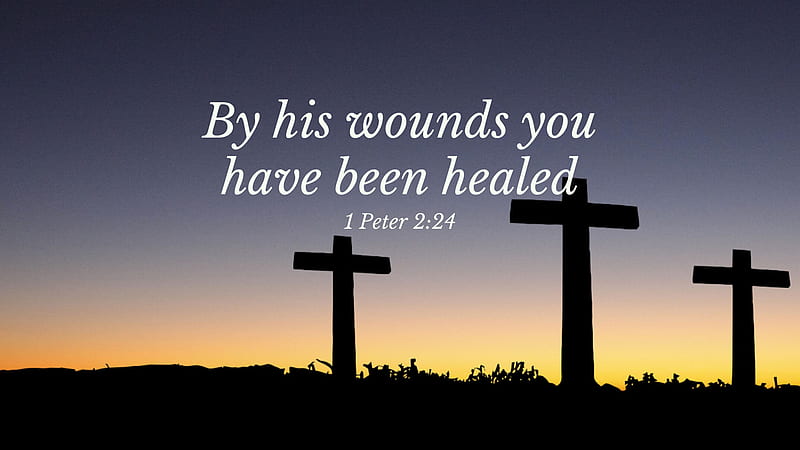
The suffering servant described in Isaiah aligns closely with the depiction of Jesus in the New Testament. In Matthew 8:17, the Gospel echoes this prophecy, stating that Jesus “took up our infirmities and bore our diseases.” Similarly, 1 Peter 2:24 declares, “By His wounds, you have been healed.” These passages reiterate the powerful theme of substitution—that Christ endured what we deserved.

From a moral perspective, Isaiah’s words challenge us to contemplate the cost of our redemption. It is an invitation to live righteously, not as an obligation but as an act of gratitude. It also calls for humility, acknowledging our dependence on God’s grace. In our wandering, we find not judgment but an open invitation to return—a truth that resonates deeply in the lives of believers.

Christianity Yesterday, Today, and Always

The cross remains central to Christianity, just as this prophecy underscores. Yesterday, believers found strength in its promise; today, we continue to draw hope and direction from it; always, it will remain a beacon of reconciliation. The universality of Isaiah’s message bridges generations, making it a cornerstone for understanding both the past and present role of faith.

A Powerful Prayer

Heavenly Father, we humbly bow before You, grateful for the sacrifice made on our behalf. Thank You for sending Your Son to carry our transgressions and heal our brokenness. Help us to remember His stripes, His suffering, and His victory over death. May we never take for granted the grace You extend. Teach us to walk in Your ways, to be reflections of Your love and mercy to those around us. Guide us when we stray and strengthen our faith that we may remain steadfast in Your truth. In Jesus’ name, Amen.

Meditative Thought for the Day

Reflect on this truth: The stripes of the Savior are marks of our healing and restoration, a gift unearned yet freely given. God Bless You All~


By His Wounds We Are Healed (ISAIAH 53:5) | Healing scriptures, God ...