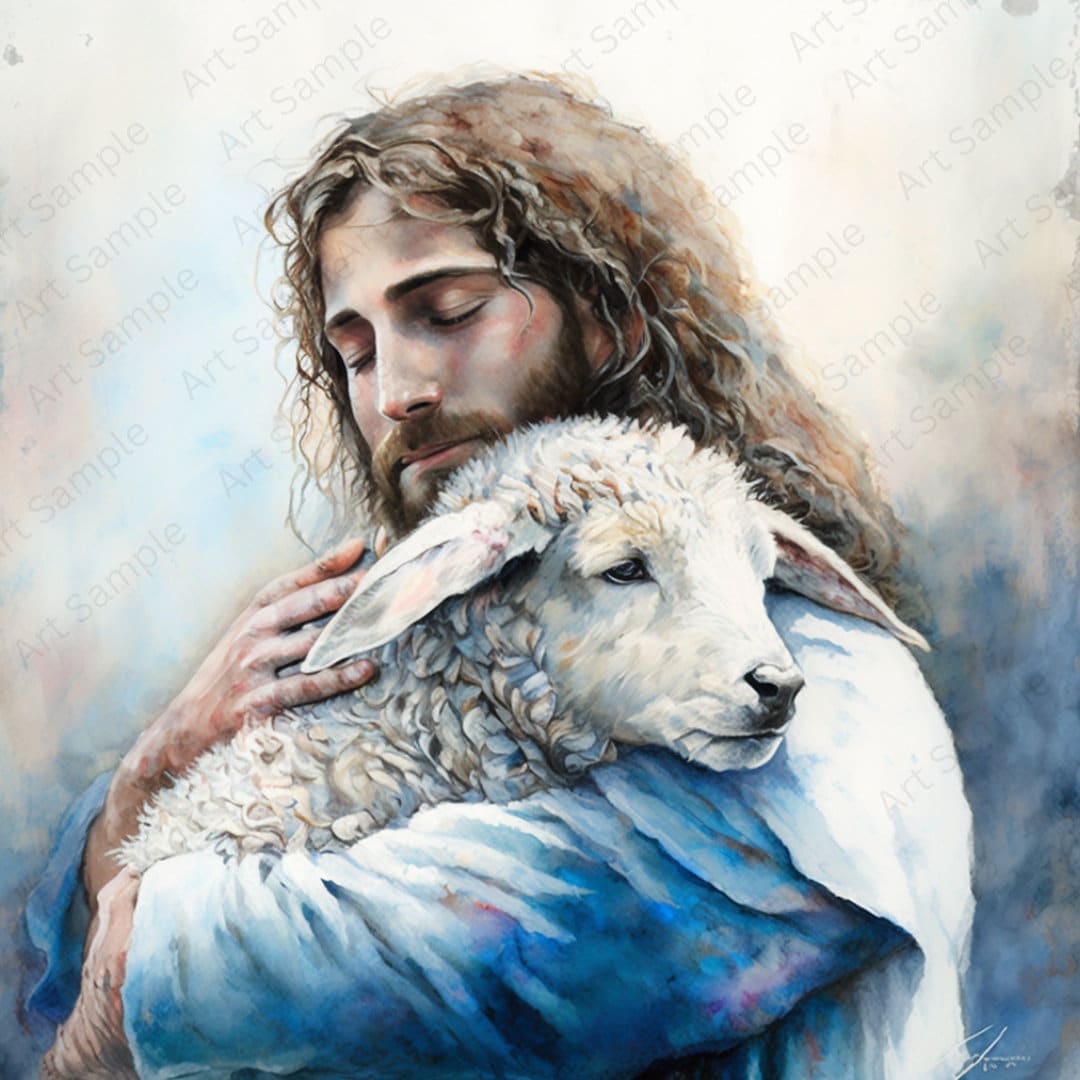
DEAR GOD: Thank You For Your Divine Compassion~

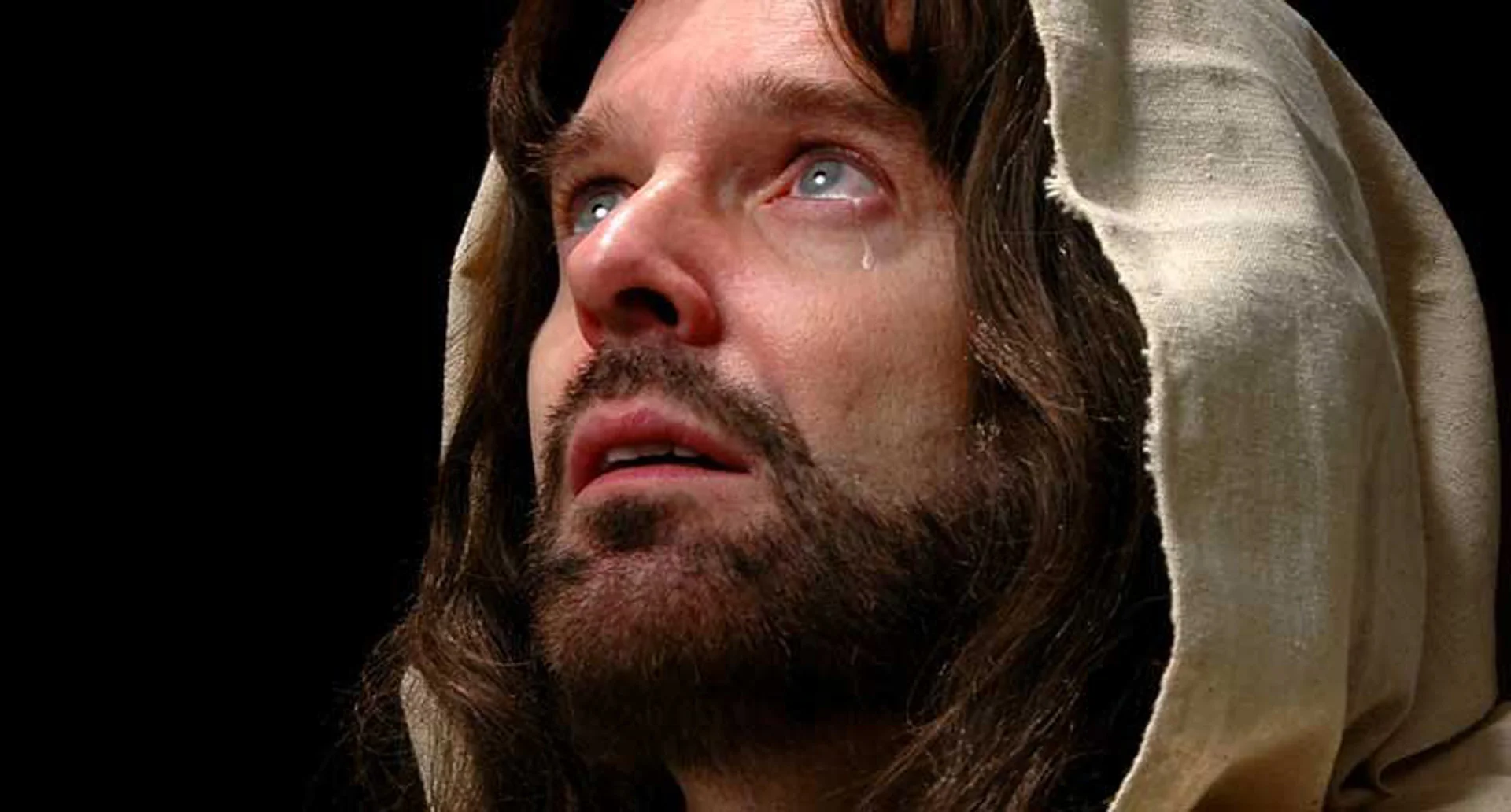
The Bible In Paintings 85: JESUS WEEPS AT LAZARUS' DEATH

“Jesus Wept ” – John 11:35


 The Tears of Christ: A Reflection on Divine Compassion


“Jesus wept.” The shortest verse in the Bible, yet one of the most profound. In just two words, we glimpse the depth of Christ’s love, His empathy, and His shared sorrow with humanity. The moment occurs in Bethany, as Jesus stands before the tomb of His dear friend Lazarus, surrounded by mourning friends and family. Although He knows that Lazarus will soon be raised from the dead, He pauses—not to explain, not to justify, but to weep.

This moment shatters any notion that Christ was distant from human suffering. His tears were not for lack of faith but a demonstration of His deep compassion. They affirm that grief is not weakness, that sorrow is not failure, and that God Himself acknowledges the weight of loss. The Savior of the world did not simply perform miracles—He entered into the pain of those around Him.


Then and Now: What This Means for Us

In Biblical times, weeping was an outward expression of mourning, but Jesus’ tears carried a Divine significance. They were not just for Lazarus—they were for all humanity, for the suffering of a world plagued by sin and death. Even as He stood moments away from reversing death’s grip, He showed that grief is part of the human experience. This moment reveals the heart of God—not a distant ruler, but a compassionate Father who understands and walks alongside His children in sorrow.

Today, this verse remains just as relevant. When we face heartbreak, loss, or uncertainty, we may question whether God sees, whether He cares. But here in John 11:35, we are reminded that He does.

He is not indifferent to our struggles, and His Presence is not just for the triumphant moments—it is for the silent tears, the nights of doubt, the prayers that feel unanswered. Just as He wept for Lazarus, He is near in every sorrow we bear.


Moral & Spiritual Considerations

The tears of Christ teach us that sorrow does not equate to a lack of faith. Grief is natural, and rather than rush past pain, we are called to embrace the Presence of God within it. Our faith does not erase suffering, but it transforms how we experience it—knowing that God does not waste a single tear.

Moreover, Jesus’ weeping calls us to mirror His compassion. How often do we overlook the suffering of others? How often do we rush past someone’s pain, eager for resolution but unwilling to sit in the discomfort of mourning? Christ calls us to weep with those who weep (Romans 12:15), to bear one another’s burdens (Galatians 6:2), and to love as He loved.


Supporting Scriptures:

  • Psalm 34:18 – “The Lord is near to the brokenhearted and saves the crushed in spirit.”
  • Hebrews 4:15 – “For we do not have a high priest who is unable to sympathize with our weaknesses…”
  • Isaiah 53:3 – “He was despised and rejected by men; a man of sorrows, and acquainted with grief…”
  • Revelation 21:4 – “He will wipe away every tear from their eyes, and death shall be no more…”

Meditative Question:

How can I embrace Christ’s compassion in my own life, learning to see sorrow not as something to avoid, but as an opportunity to draw closer to God and to others?


 Prayer:

“Lord, You are the God who weeps. You do not turn away from our suffering, nor do You ask us to bear our burdens alone. In Your tears, we see the depth of Your love—a love that walks with us through every valley, a love that redeems even the darkest moments. Teach us to trust Your Presence in our grief, knowing that no tear is unseen, no sorrow forgotten. Help us to extend Your compassion to others, to sit in the sacred space of mourning without rushing toward answers but simply embracing the power of love. May we never forget that You understand that You care, and that one day, You will wipe away every tear. In the holy name of Jesus, Amen.”

DEAR GOD: You Are My Inspired Hope & Eternal Light~

God's Light Of Hope Free Stock Photo - Public Domain Pictures

“To whom God would make known what is the riches of the glory of this mystery among the Gentiles; which is Christ in you, the hope of glory: Whom we preach, warning every man, and teaching every man in all wisdom; that we may present every man perfect in Christ Jesus:” –Colossians 1:27-28


The Apostle Paul’s words in Colossians 1:27-28 are both profound and foundational for understanding the scope of the Gospel. He unveils a divine mystery that had been concealed for ages but is now revealed to the Gentiles: “Christ in you, the hope of glory.” This phrase encapsulates the richness of God’s plan for humanity—a plan that transcends ethnicity, societal divisions, and historical boundaries.


Intelligent Analysis and Insights

The “mystery” Paul refers to is not enigmatic in the sense of being obscure or unknowable. Instead, it is a truth previously hidden in God’s eternal plan, now made manifest through Christ. The core of this mystery is the indwelling presence of Christ in the believer—a radical concept that signifies unity with the Creator. To the Jewish audience, the idea of God dwelling personally within each individual would have been revolutionary. To the Gentiles, it was an invitation into an inheritance once thought exclusive to Israel.

“Christ in you” underscores the intimate relationship believers have with Christ. It moves beyond the external observances of religion and speaks to a transformation from within, where Christ empowers, sustains, and sanctifies. This indwelling presence is not merely a theological concept—it is the source of “the hope of glory.” This hope is not wishful thinking but confident assurance of eternal fellowship with God, grounded in His promises.

The subsequent verse provides the practical outworking of this mystery. Paul outlines his ministry’s purpose: proclaiming Christ, admonishing all people, and teaching them in wisdom. His ultimate goal is lofty yet attainable—to present every person perfect (complete) in Christ. This perfection is not sinless but rather maturity, a state of fullness in spiritual growth and understanding.

Moral Lessons and Thoughts


From this passage, several moral lessons emerge:

  1. Unity in Christ: The Gospel breaks down barriers and extends salvation to all—Jew and Gentile alike. As followers of Christ, we are called to embody this unity, rejecting divisions and embracing the richness of diversity in the body of Christ.
  2. Purposeful Living: Paul’s dedication to teaching and warning speaks to the need for intentional discipleship. We too must strive to guide others in wisdom, cultivating spiritual growth and maturity.
  3. Hope Anchored in Christ: True hope is not tied to circumstances but rooted in the unchanging promises of God. As believers, we can live courageously and confidently, knowing that glory awaits.

Supportive Scriptures

  • Romans 8:10: “And if Christ be in you, the body is dead because of sin; but the Spirit is life because of righteousness.”
  • Ephesians 3:17-19: “That Christ may dwell in your hearts by faith; that ye, being rooted and grounded in love, may be able to comprehend with all saints what is the breadth, and length, and depth, and height; And to know the love of Christ, which passeth knowledge.”
  • 2 Corinthians 4:6: “For God, who commanded the light to shine out of darkness, hath shined in our hearts, to give the light of the knowledge of the glory of God in the face of Jesus Christ.”

Reflective Questions

  1. How does the truth of “Christ in you” shape your daily decisions and interactions with others?
  2. In what ways do you actively nurture your relationship with Christ to experience the fullness of His presence?
  3. How can you better reflect the hope of glory to those around you, especially during challenging times?

Prayer

Heavenly Father, We praise You for the mystery revealed—Christ dwelling within us, the hope of glory. May this truth anchor our hearts, guiding us through every trial and triumph. Teach us to live purposefully, proclaiming Your Gospel with wisdom and love. Transform us into vessels of Your grace, presenting us mature in Christ Jesus. Strengthen our faith, deepen our understanding, and help us to reflect Your light in all we do. Amen.


Meditative Thought for the Day

Christ in you—the divine presence that changes everything. Let this truth fill your heart with confidence, illuminate your path with hope, and inspire your actions with purpose.


Blessing

May the richness of His glory dwell in you, Camille, bringing hope, peace, and joy to every corner of your life. As you walk in the wisdom and strength of Christ, may you grow in maturity and reflect His love to all you encounter. Be blessed in the fullness of His promises. Amen.


This reflection, built upon God’s Word, seeks to deepen understanding and inspire faith. What resonates with your heart today my brothers and sisters?

DEAR GOD: You Are The Supreme Majesty Of Love & Grace~

Christian Love Clipart | Free Clipart Images of Love in Christianity


“Owe no man any thing, but to love one another: for he that loveth another hath fulfilled the law.” –
Romans 13:8


 Romans 13:8 calls us to a profound and timeless truth: love is the ultimate debt we owe to one another. This verse transcends the transactional nature of human relationships, urging us to embrace love as a perpetual obligation. In a world often driven by self-interest and materialism, this scripture reminds us that love is not a fleeting emotion but a deliberate and ongoing act of will. It is through love that we fulfill the law, as Jesus Himself affirmed when He said, “Thou shalt love thy neighbour as thyself” (Matthew 22:39).

In today’s world, where divisions and conflicts often dominate, this verse challenges Christians to rise above societal norms and embody the love of Christ. It calls us to be peacemakers, bridge-builders, and bearers of compassion. Love, as described here, is not limited to those who are easy to love; it extends to strangers, adversaries, and those in need. It is a love that mirrors the sacrificial love of Jesus, who gave Himself for us while we were yet sinners (Romans 5:8).

Supporting scriptures reinforce this message. Galatians 5:14 declares, “For all the law is fulfilled in one word, even in this; Thou shalt love thy neighbour as thyself.” Similarly, 1 Corinthians 13:13 reminds us that “the greatest of these is love.” These verses collectively emphasize that love is the cornerstone of Christian living, the essence of our faith, and the reflection of God’s character.

Morally, this verse invites us to examine our lives and relationships. Are we living in a way that reflects the love of Christ? Are we forgiving, patient, and kind, even when it is difficult? It challenges us to move beyond superficial acts of kindness and to engage in genuine, selfless love that seeks the well-being of others.

Prayer: Heavenly Father, thank You for the gift of Your love, which surpasses all understanding. Teach us to love one another as You have loved us. Help us to see others through Your eyes, to forgive as You forgive, and to serve with humility and grace. May our lives be a testament to Your love, drawing others closer to You. In Jesus’ name, Amen.


Question for the Day: How can you demonstrate Christ-like love to someone in your life today?


Blessing: May the love of God fill your heart and overflow into every relationship. May you walk in His grace, guided by His Spirit, and may His peace surround you always. God Bless You All~

God is Light - Inductive Bible StudyInductive Bible Study

Thy word is a lamp unto my feet, and a light unto my path.” – Psalm 119:105 (KJV)


Radiance of His Light

This title captures the beauty and significance of God’s light shining from above, inspiring us to walk in His truth and love.

God’s light from above is a guiding beacon, illuminating the paths we ought to take and dispelling the darkness that seeks to engulf us. His light is pure, unwavering, and constant, reminding us that no matter how shadowed our journey may seem, His presence is always near.

God’s light from above is more than just illumination; it is His essence, His truth, and His love poured out upon His children. This light is not limited to physical brightness but is a spiritual radiance that provides wisdom, clarity, and hope. In His light, we find freedom from fear and strength to face trials, for He is our divine compass in a world of distractions.

From the beginning, God’s light was central to His creation. Genesis 1:3 declares, “And God said, Let there be light: and there was light.” This initial act of bringing forth light was a declaration of order, beauty, and purpose. Just as the first light pierced through the chaos of the formless void, His spiritual light pierces the chaos of our lives, offering direction and peace.

Jesus affirmed Himself as the embodiment of this divine light when He proclaimed, “I am the light of the world: he that followeth me shall not walk in darkness, but shall have the light of life.” (John 8:12 KJV) His light reveals the truth of who we are and who He is, leading us into a deeper relationship with Him. The faithful love of Christ is evident in this promise, for He calls us to walk in His light and abide in Him always.

As Christians, our obedience to His word allows us to reflect His light to others. Matthew 5:16 urges, “Let your light so shine before men, that they may see your good works, and glorify your Father which is in heaven.” This practice of living as a beacon of His love and righteousness is not only a response to His faithfulness but also an act of worship and testimony.

Today, believers are called to remain steadfast, holding onto the truths of Scripture and allowing God’s light to shine in every aspect of our lives. This involves seeking His will through prayer, meditating on His word, and walking in humility and faithfulness. When we embrace His light, we cultivate joy, patience, and perseverance, reflecting His glory in a world desperate for hope.

Reflective Questions:

  1. How has God’s light provided clarity or comfort during a challenging time in your life?
  2. In what ways can you reflect His light to those around you today?

Overview: God’s light is not merely an abstract concept but an enduring reality of His character and presence. It serves as a source of guidance, protection, and transformation for all who seek Him. Walking in His light means trusting His word, following Christ’s example, and allowing His love to shine through our actions.

Biblical Practices for Today:

  • Meditate on Scripture daily to remain aligned with God’s truth.
  • Walk in humility and love, serving others as a reflection of Christ’s light.
  • Trust in His faithfulness during trials, remembering that His light overcomes the darkness.
  • Be intentional in sharing the gospel, letting your testimony draw others to Him.

Prayer: Heavenly Father, Thank You for the light You have provided to guide and sustain us. Your word is a lamp to our feet, and Your Son is the light of life. Teach us to walk in obedience to Your truth and to reflect Your love in all that we do. May Your light shine brightly in our lives, drawing others into the warmth of Your presence. Keep us steadfast in Your promises and help us to always trust in Your faithful love. Amen.

Question for the Day: How can you let God’s light shine in your actions and decisions today?

100,000+ Free God Light & God Images - Pixabay

DEAR GOD: You Are A Testament Of Selfless Love~

Selfless Love - HavenToday.org


A Testament of Selfless Love

“Hereby perceive we the love of God, because he laid down his life for us: and we ought to lay down our lives for the brethren.” — 1 John 3:16


This verse is a profound reflection of the heart of Christianity: sacrificial love. It is through Jesus Christ’s ultimate act—laying down His life—that we understand the true depth of God’s love. His sacrifice was not for those who were worthy, but for us, imperfect and undeserving. This kind of love challenges us to move beyond selfishness and embrace a life of service to others.

The moral call here is unmistakable. Just as Christ gave Himself freely and fully, we are urged to lay down our lives—not necessarily in physical death, but in actions of selflessness and devotion for the betterment of our brethren. This could mean lending a hand to someone in need, listening with compassion, or boldly advocating for justice and truth. The act of “laying down” is not about losing ourselves but choosing to live in a way that reflects the love of God.

In this, we find the beauty of Christian ethics: Love is not measured in mere words but demonstrated in deeds. A life lived in service mirrors the example of Christ and brings His transformative power into our world. This is the essence of the Gospel—love expressed through sacrifice and action.


Reflective Questions:

  1. How does Christ’s sacrifice inspire the way you treat others?
  2. Are there moments where you feel called to serve but hesitate?
  3. How can selfless love bring healing to your relationships and community?

Supporting Scriptures:

  • John 15:13: “Greater love hath no man than this, that a man lay down his life for his friends.”
  • Philippians 2:3-4: “Do nothing out of selfish ambition or vain conceit. Rather, in humility value others above yourselves.”
  • Romans 12:10: “Be devoted to one another in love. Honor one another above yourselves.”
  • Luke 6:31: “Do to others as you would have them do to you.”

Prayer:

Father, we stand in awe of Your boundless love, revealed through the sacrifice of Your Son. Teach us to love others as You have loved us—selflessly and without conditions. Strengthen our hearts to serve with humility, kindness, and courage, even when it is difficult. May our actions reflect Your grace, and may our lives be testimonies of Your transforming love. In Jesus’ name, Amen.


Closing Reflection:

What specific acts of selfless love can you commit to today in honor of Christ’s example?

DEAR GOD: Help Us To Grow In Grace Through Your Word~

Grace of our Lord Jesus Christ - Pastor Charles Finny Arumainayagam

Growing in Grace Through the Word

  “Like newborn babies, you must crave pure spiritual milk so that you will grow into a full experience of salvation. Cry out for this nourishment, now that you have had a taste of the Lord’s kindness.” – 1 Peter 2:2-3 (NLT)


Commentary: This verse encapsulates the essence of spiritual growth and the believer’s journey toward maturity in Christ. Peter’s analogy of “newborn babies” craving “pure spiritual milk” paints a picture of dependency, eagerness, and a natural hunger for sustenance. Just as a newborn instinctively cries out for milk to sustain life and grow, so should believers long for the “sincere milk of the Word”—the untainted truths of Scripture. This metaphor highlights the importance of the Word of God as the foundational nourishment that sustains and grows our faith.

When Peter mentions “pure spiritual milk,” he is speaking to the essence of God’s Word, uncorrupted by worldly distractions or false teachings. In our modern world, where countless voices compete for attention, the need for such purity is ever relevant. The Word serves as the foundation for understanding God’s will, discerning truth, and resisting the pull of a society often swayed by fleeting values.

Hebrews 4:12 reminds us: For the word of God is alive and powerful. It is sharper than the sharpest two-edged sword, cutting between soul and spirit, between joint and marrow. It exposes our innermost thoughts and desires.

Furthermore, this growth is not merely intellectual but deeply transformative. Peter ties it to the experience of salvation, suggesting that the pursuit of God’s Word leads believers into the fullness of their relationship with Him. It is not enough to “taste” that the Lord is good; we must consistently feed on His Word to experience the depth of His kindness and grace.

Through this, we grow in character, bearing the fruits of the Spirit: But the Holy Spirit produces this kind of fruit in our lives: love, joy, peace, patience, kindness, goodness, faithfulness, gentleness, and self-control (Galatians 5:22-23).

Biblical values derived from these passages are strikingly applicable today. In a culture that often prioritizes self-sufficiency, Peter reminds us of the beauty of dependence—not on human solutions but on divine sustenance.

To grow spiritually, we must cultivate a desire for God’s Word, setting aside distractions and counterfeit sources of “nourishment.” In doing so, we align with Christ’s call to abide in Him: Yes, I am the vine; you are the branches. Those who remain in me, and I in them, will produce much fruit. For apart from me you can do nothing (John 15:5). His Word equips us to stand firm against the currents of secularism, cynicism, and despair, offering hope that is both eternal and unshakable.

Reflective Questions:

  • What steps can I take to develop a deeper hunger for the truths in God’s Word?
  • Are there distractions or influences in my life that dilute the “pure spiritual milk” God offers?
  • How can the kindness of the Lord I’ve experienced inspire me to trust Him more?

Prayer:

“LORD my Gracious and loving Father, we come before You as children yearning for the nourishment only Your Word can provide. Thank You for giving us the sincere milk of truth that feeds our souls and draws us closer to You. Lord, help us to crave Your Word with undivided hearts, removing anything that hinders our growth in You. Let the kindness and grace we have tasted in Your presence fill us with gratitude and a renewed passion to grow deeper in our relationship with You. May Your Word transform us, equipping us to live faithfully and boldly in a world in need of Your light. In Jesus’ name, Amen.”

Reflective Question for the Day:

Am I intentionally making space in my life to drink deeply from God’s Word, or am I relying on spiritual “snacks” to sustain my faith? Delve deeply into this and ask for the LORD to guide you as you do so…

God Bless you all~


DEAR GOD: May We Always Trust Your Purpose & Will~

Jesus Love Wallpaper Online | cityofclovis.org

“And we know that all things work together for good to them that love God, to them who are the called according to his purpose.” -Romans 8:28


Romans 8:28 Commentary and Reflection

Romans 8:28 is a powerful affirmation of God’s sovereignty, love, and purposeful design for our lives. This verse reminds us that God’s providence extends to all areas of life, and His plans are for the ultimate good of those who love Him and are called according to His purpose. Let us unpack its significance in a way that resonates with both the biblical perspective and our lives today.

Biblical Insights and Life Application

  1. “All things work together for good”: This declaration is both comforting and challenging. It emphasizes God’s divine orchestration of every detail—joys, trials, victories, and setbacks. The “good” mentioned here does not always mean immediate comfort or success but aligns with God’s ultimate purpose: conforming us to the image of Christ (Romans 8:29). It is a call to trust Him even when circumstances seem bleak, believing that He is weaving a greater masterpiece.

    Life today: In a world filled with uncertainties—whether financial struggles, health challenges, or relational hardships—this truth invites us to shift our perspective. Rather than questioning, “Why is this happening to me?” we are encouraged to ask, “How is God shaping me through this?”

  2. “To them that love God”: Love for God is the anchor of this promise. It is not a transactional love but one rooted in deep, abiding faith and devotion. Those who truly love God prioritize their relationship with Him, and their lives reflect His grace and truth.

    Reflection: Consider your personal relationship with God. Is it one of wholehearted surrender, or is it influenced by the changing tides of circumstances? Loving God calls for consistent prayer, worship, and a willingness to follow His commands.

  3. “To them who are the called according to His purpose”: God’s calling is both universal (inviting all to salvation) and specific (assigning each individual a unique role in His kingdom). Being “called” speaks to living with intentionality, grounded in His word, and seeking His purpose above all.

    Application: In today’s fast-paced life, purpose can feel elusive. This verse reassures us that God’s calling is not random—it is tailor-made for each of us, encompassing our gifts, passions, and circumstances.

Reflective Questions

  • How have I witnessed God’s ability to bring good from difficult situations in my life or the lives of others?
  • In what ways am I actively expressing my love for God in my daily choices?
  • Am I aligning my pursuits and goals with God’s purpose for me?

Moral Thoughts and Takeaways

  • Trusting God’s plan requires humility and patience, especially when outcomes differ from our expectations.
  • Loving God involves daily commitment, not just moments of convenience.
  • Living according to God’s purpose means surrendering our agendas and embracing His divine direction.

Loving Witness to Christ

Living out Romans 8:28 is a profound way to witness to Christ’s love. When we demonstrate unwavering faith amidst trials, others are drawn to the source of our hope. Sharing testimonies of God’s faithfulness in our lives can inspire and encourage those around us. For instance:

  • A believer who finds peace after losing a job exemplifies trust in God’s provision.
  • Someone who forgives deeply, despite being wronged, reflects Christ’s transformative power.

Examples of Loving Christ

  • Spending time in scripture and prayer, seeking to know Him more.
  • Serving others selflessly, mirroring His heart for humanity.
  • Standing firm in faith, even when it’s countercultural or costly.

Prayer and Blessing

“Heavenly Father, thank You for the assurance that You work all things together for good for those who love You. Help us to trust in Your perfect plan, even when we cannot see the way forward. Deepen our love for You and align our hearts with Your purpose. Use our lives as a testimony of Your grace and faithfulness. May we live each day with courage and conviction, knowing that You are with us always.

Father, I ask You to bless each reader today. Grant them peace in the midst of their challenges, joy in their journey, and a renewed sense of purpose in You. In Jesus’ name, Amen.”

Meditative Scripture for the Day

“The Lord is my shepherd; I shall not want. He makes me lie down in green pastures. He leads me beside still waters. He restores my soul. He leads me in paths of righteousness for his name’s sake.”Psalm 23:1-3 (ESV)


Loving God with all our Heart

DEAR GOD: May We Always Honor & Serve You Humbly~

Being Humble: Why It’s Important to God | Inspiration TV

“But sanctify the Lord God in your hearts: and be ready always to give an answer to every man that asketh you a reason of the hope that is in you with meekness and fear:” -1 Peter 3:15


The verse in the ESV reads: “But in your hearts honor Christ the Lord as holy, always being prepared to make a defense to anyone who asks you for a reason for the hope that is in you; yet do it with gentleness and respect.”

This verse reflects the Apostle Peter’s encouragement to believers to live in such a way that their hope in Christ becomes a visible, undeniable reality to those around them. Peter emphasizes the importance of sanctifying or honoring Christ as Lord in our hearts. This act of consecration ensures that all our actions, words, and motives flow from a place of deep, personal reverence for God. When Christ reigns in our hearts as holy, our lives are naturally marked by humility and purpose, aligning with God’s will rather than worldly pursuits.

The instruction to “be ready to make a defense” underscores the importance of preparedness in articulating one’s faith. It does not demand eloquence or debate prowess but a sincere readiness to share the foundation of the hope found in Jesus Christ. This “hope” is the assurance of salvation, eternal life, and the unwavering promises of God through the gospel. Importantly, this defense must always be given with gentleness and respect—reflecting the character of Christ and ensuring that our witness does not drive others away from the truth.

Peter’s words here also confront the temptation to serve self over God. As Christians, the call to serve humbly and fully is evident throughout Scripture. Romans 12:1 reminds believers to present their bodies as living sacrifices, holy and pleasing to God, while Colossians 3:23-24 urges us to work heartily, as for the Lord. Serving God’s purpose means surrendering personal agendas and ambitions, seeking instead to glorify Him in all we do.

Biblical Analysis and Historical Perspective:

1 Peter 3:15 was written to encourage the scattered and often persecuted believers of Asia Minor (modern-day Turkey). Peter’s audience faced hostility for their faith, and this letter offers them both practical and spiritual guidance for enduring suffering while remaining faithful witnesses to Christ. In this context, “sanctifying Christ in your hearts” served as a reminder to prioritize allegiance to Christ over fear of man, even in the face of persecution.

From a biblical perspective, this verse echoes the charge given to Israel in Isaiah 8:13, where the prophet says, “But the Lord of hosts, him you shall honor as holy. Let him be your fear, and let him be your dread.” Both passages call for steadfast devotion to God, setting Him apart in one’s heart as supreme over all fears and uncertainties.

Historically, the early church was heavily scrutinized by Roman society, which often misunderstood and mischaracterized Christian beliefs. In this environment, the ability to explain the hope of the gospel with clarity and respect became a critical part of evangelism. Peter’s instruction continues to resonate today, reminding Christians to engage the world with truth and grace, even when facing opposition.

Reflective Questions:

  • How can I honor Christ as holy in my everyday decisions and relationships?
  • Am I prepared to share the hope I have in Christ? If not, what steps can I take to deepen my understanding of the gospel?
  • Do I approach others with gentleness and respect, even when they challenge or question my faith?
  • In what ways can I ensure that my service to God is driven by humility and a genuine desire to glorify Him, rather than seeking personal recognition?

Being a Christian and Serving God Humbly:

To be a Christian is to live as a servant of Christ, seeking His glory above all else. It is a daily act of surrender, acknowledging that we are not our own but belong to God. Jesus Himself modeled this humility, as seen in Philippians 2:5-8, where He humbled Himself by taking on human form and becoming obedient to the point of death. This example calls us to a life of selflessness and dedication, pouring out our time, talents, and treasures for God’s purposes.

Serving God fully requires aligning every aspect of our lives with His will. Whether in the workplace, at home, or in our communities, we are called to be ambassadors for Christ, reflecting His love and truth. This demands a shift from self-centered living to God-centered living, where our choices and actions are guided by what pleases Him. It is not about earning favor or recognition but offering our lives as a testament to His grace.

Humble service also means recognizing that all we have—our abilities, resources, and even our breath—is a gift from God. As 1 Corinthians 10:31 reminds us, “So, whether you eat or drink, or whatever you do, do all to the glory of God.” Every task, no matter how mundane, becomes an opportunity to honor Him when done with a heart focused on His kingdom.

A Prayer:

Heavenly Father, we come before You in humility, acknowledging that You alone are holy and worthy of all honor. Teach us to sanctify You in our hearts, placing You above all else in our lives. Help us to always be ready to share the hope we have in You with gentleness and respect, reflecting Your love to a world in need. Strengthen us to serve You faithfully, not for recognition but for Your glory, and guide us in aligning our lives with Your purpose. May Your Word dwell richly in us, equipping us for every good work You have prepared for us. In Jesus’ name, we pray, Amen.

A Blessing and Meditative Verse for the Day:

May the Lord bless you and keep you; may He make His face shine upon you and be gracious to you. May He fill your heart with His peace and your life with His purpose as you walk in faithful obedience to Him.

“Trust in the LORD with all your heart, and do not lean on your own understanding. In all your ways acknowledge Him, and He will make straight your paths.” — Proverbs 3:5-6 (ESV)

DEAR GOD: Walking with Christ My Shepherd~

Jesus Wallpapers HD - Wallpaper Cave

Walking with Christ: His Spirit and Guidance

And I will ask the Father, and he will give you another Helper, to be with you forever, even the Spirit of truth, whom the world cannot receive, because it neither sees him nor knows him. You know him, for he dwells with you and will be in you.” — John 14:16-17 (ESV)


The essence of Christ’s ministry was not merely His words or miracles, but the gift He left behind: the Holy Spirit. This “Helper,” as Jesus called Him, is a guide, comforter, and source of power for believers. Christ’s Spirit doesn’t just dwell in a faraway realm but is present within us, transforming our lives daily.

The Spirit as a Guide

Christ promised His Spirit to lead us in truth and righteousness. When we face moral dilemmas, uncertainties, or trials, the Spirit provides wisdom and discernment. For example, in moments where our path seems unclear, Paul’s words in Galatians 5:16 resonate: But I say, walk by the Spirit, and you will not gratify the desires of the flesh.” (ESV). Through the Spirit, we are invited to live a life that reflects Christ’s example—humble, loving, and selfless.

Reflective questions:

  • Are there areas in your life where you’ve relied on your own understanding instead of seeking the Spirit’s guidance?
  • How do you actively listen for the Spirit’s leading in your daily choices?

The Spirit’s Transforming Power

The Spirit works to mold us into the likeness of Christ. This transformation is not instantaneous but a lifelong process, as described in 2 Corinthians 3:18: “And we all, with unveiled face, beholding the glory of the Lord, are being transformed into the same image from one degree of glory to another. For this comes from the Lord who is the Spirit.” (ESV).

It’s through this transformation that we bear the fruits of the Spirit—love, joy, peace, patience, kindness, goodness, faithfulness, gentleness, and self-control (Galatians 5:22-23). Each fruit reflects Christ’s character and draws us closer to God and to one another.

Reflective questions:

  • What fruit of the Spirit do you see most evident in your life? Which one do you feel called to cultivate more deeply?
  • How can the Spirit’s transforming work equip you to serve others?

Christ’s Spirit in Community

The Spirit not only guides and transforms us individually but also unites us as a body of believers. In Ephesians 4:3-4, Paul urges us to maintain unity: “eager to maintain the unity of the Spirit in the bond of peace. There is one body and one Spirit—just as you were called to the one hope that belongs to your call.” (ESV). The Spirit enables us to love one another despite our differences and to work together for the Kingdom of God.

Reflective questions:

  • How does the Spirit prompt you to foster unity within your community of faith?
  • Are there relationships in your life where you need the Spirit’s help to restore peace and understanding?

A Prayer for Guidance

“Heavenly Father, Thank You for the gift of Your Spirit, who dwells within us and guides us in all truth. Open our hearts to hear His voice and to follow His leading. Transform us into the image of Christ, that we may reflect Your love and grace in all we do. Unite us as one body, empowered by Your Spirit to serve You and others faithfully. May Your Spirit renew us daily, filling us with joy, peace, and strength. In Jesus’ name, Amen.”

The Spirit of Christ is not distant or impersonal but deeply involved in every aspect of our lives. When we surrender to His guidance, we find clarity in confusion, strength in weakness, and hope in despair. May you walk closely with Christ, empowered and guided by His Spirit, each day.


God Bless You All~

DEAR GOD: May We Learn The Patience and Love of Christ~

JESUS IS LOVE - Share His Love with a great gift for yourself or a ...

The Story of Christ’s Patience and Love: A New Look at the Prodigal Son

Scripture to Open: But God shows his love for us in that while we were still sinners, Christ died for us.” (Romans 5:8, ESV)

In the quiet hills of Judea, a man named Asher had two sons: Ezra, the elder, who was diligent and obedient, and Micah, the younger, who was full of dreams and defiance. One morning, Micah said, “Father, give me the share of property that is coming to me.” With a sorrowful heart, Asher granted his request.

Micah set out to seek adventure, squandering his inheritance on reckless living. Soon, a severe famine struck the land, and he found himself destitute, hiring himself out to feed pigs. Hungry and humiliated, he thought, How many of my father’s hired servants have more than enough bread, but I perish here with hunger!” (Luke 15:17, ESV). Resolving to return, he rehearsed his confession: “Father, I have sinned against heaven and before you. I am no longer worthy to be called your son. Treat me as one of your hired servants.” (Luke 15:18-19, ESV).

As he neared his family home, something miraculous occurred. His father saw him from afar and, moved with compassion, ran to embrace him. Before Micah could finish his apology, Asher exclaimed to his servants, Bring quickly the best robe, and put it on him, and put a ring on his hand, and shoes on his feet. And bring the fattened calf and kill it, and let us eat and celebrate. For this my son was dead, and is alive again; he was lost, and is found.” (Luke 15:22-24, ESV).

Biblical Analysis Overview

The father’s reaction in this story epitomizes God’s boundless grace. While we are often like Micah, wandering from God, His love never falters. As the apostle Paul writes in Romans 5:8, God’s love is proactive, shown through Christ’s sacrifice while we were still sinners. It’s not contingent on our merit but anchored in His divine nature.

In the cultural context of Luke 15, running was considered undignified for a man of Asher’s stature. Yet, his choice to run highlights God’s willingness to embrace us with urgency and joy when we return. The robe, ring, and feast signify restoration to full sonship—something Micah could never have imagined for himself.

The elder brother, often overlooked in this parable, represents a cautionary note. Though outwardly obedient, his heart was distant, as revealed in his resentment toward his father’s grace (Luke 15:28-30). This reminds us to celebrate God’s forgiveness, whether it’s extended to us or to others.

Moral Insights and Takeaways

  1. God’s Love Is Proactive: Christ’s sacrifice demonstrates that His love reaches us before we even realize our need for Him.
  2. Repentance Restores Relationship: Micah’s return teaches us that acknowledging our sins paves the way for redemption and healing.
  3. Celebrate Grace: The father’s celebration invites us to rejoice not just in our own salvation, but in the forgiveness extended to others.
  4. Guard Against Resentment: The elder brother warns us against self-righteousness and bitterness. God’s grace is abundant enough for all.

Reflective Questions

  1. In what ways does this story help you understand God’s character?
  2. Have you ever felt distant from God? How can you take steps toward returning to Him today?
  3. Are there people in your life who need grace and forgiveness? How can you mirror the father’s love to them?
  4. How do you respond when others receive blessings or forgiveness that you feel they don’t deserve?

Closing Prayer

“Father in Heaven, we thank You for the depth of Your love, a love so great that You sent Your Son to die for us while we were still sinners. Thank You for Your patience, Your grace, and the joy You take in welcoming us back when we stray. Help us to turn to You with repentant hearts, trusting in Your forgiveness. Teach us to celebrate Your grace, both in our lives and in the lives of others. May our hearts reflect Your compassion, always ready to forgive and rejoice. In the precious name of Jesus, we pray. Amen.”

Wallpapers Jesus Love - Wallpaper Cave