
DEAR GOD: When the Midnight Breaks -Your Candle Lit by Christ Blazes Anew~”

Longing for Light in the Darkness - Floris United Methodist Church

“The light shines in the darkness, and the darkness can never extinguish it.” — John 1:5


A Loving Reflection: Where Light Clings to the Soul

There are hours in life that feel like spiritual midnights—moments when hope seems veiled and the weight of grief, exhaustion, or uncertainty presses against our chest. In these sacred shadows, the temptation is to believe the light has left us.

But Christ—oh, radiant Christ—never disappears. Like a lantern in a cave, His presence does not always remove the darkness but reveals the pathway through it. John 1:5 is not just poetic; it is a promise. The darkness will try. It may howl, rage, or linger longer than we expected. But it cannot win. The light—His light—is both flame and fortress.

Brothers and sisters – no matter what you’re going through – when you cradle your loved ones, when you are trying to stay afloat admist financial crisis, when you are physically ill, or when you cuddle your hurting fur baby with prayers woven from love, when you walk through the valley of caregiving, shouldering the needs of another life while tending to your own aching spirit—you are walking through that very midnight. And you are not alone. Not once. He is with you always!

Jesus isn’t waiting on the other side of the struggle; He is in it. He is the tear on your cheek, the gentle whisper in your prayers, the clarity that pierces a confused heart.

His glory does not retreat when things get hard; it reveals itself most vividly when the world turns dim. No – the light burns brighter!


Moral Thoughts: A Christian’s Posture in the Dark

In times of suffering or hardship, Christians are not called to denial or numb stoicism. We are invited to behold—to look into the sorrow and still say: He is here.

Actions for the Midnight-Walking Soul:

  • Cling to Scripture as a lifeline, even if your hands tremble. One verse held deep is better than a dozen recited without connection.
  • Keep loving—radically, gently, bravely. Love, in its purest form, is defiance against despair.
  • Tell the truth in your prayers. Let tears speak when words don’t come. His Spirit intercedes for us with groanings too deep for language.
  • Serve in small ways. Sometimes bringing someone else a cup of comfort tea or sending a kind note is a way to remind yourself: light still lives here.

A Tribute to the Lord Jesus Christ

Hallelujah to the Light who was not afraid of our shadows. Praise to the Savior who knelt into earth’s dust, tasted death, and emerged dazzling with eternal sunrise. Glory to the One who walked into night, so we’d never have to do it alone. Worthy is the Lamb, whose flame never flickers—even when our candles do.


A Prayer for the Darkest Hour

” LORD-You who walked the lonely road to Calvary, hold us when the nights stretch long and thick with sorrow. Remind us that your Presence is not determined by what we see but by who you are. Kindle courage within our fear, and faith within our fatigue. Be our steady gleam when clarity hides. Thank You for being the Light no darkness can conquer—our Radiance, our Refuge, our Eternal Dawn. In Jesus name, Amen.”


Reflective Questions

  • When have you felt Christ’s light in an unexpected or painful moment?
  • What small act of love or trust could you offer today as a candle in someone else’s darkness?
  • How might you reframe your struggles as sacred spaces—where God meets you with quiet strength?

Let the night come, dear one, for the Light has come, and He stays.

Amen!!!!

DEAR GOD: I Love Being Rooted in Your Presence~

Rooted in Christ PNG, Christian Shirt Design PNG, Bible Verse Image ...

Psalm 92:13 (NKJV)

Those who are planted in the house of the Lord shall flourish in the courts of our God.


Rooted in His Presence, Flourishing in His Love

There is something deeply reassuring about the imagery in this verse. To be planted in the house of the Lord is not just about attending church or reading scripture—it is about being firmly rooted in His presence, allowing His truth to nourish us, and growing in the richness of His love.

A tree that is planted in good soil does not struggle to survive. It does not fear the changing seasons or the storms that come. It stands firm, drawing strength from its roots, flourishing because it is connected to the source of life. This is the promise for those who dwell in the presence of God.

When we make our home in Him—when we seek Him daily, trust Him fully, and surrender our hearts—our lives begin to reflect His goodness. We flourish not because life is easy, but because His grace sustains us. We bear fruit in seasons of joy and in seasons of trial, knowing that He is our foundation.

To flourish in His courts means to live in the fullness of His love, to walk in His peace, and to reflect His light to the world. It means that no matter what comes our way, we are secure in Him.

It becomes as natural as our breath, when we commune with Him daily. When we seek Him eagerly, and honor Him in all we do. It becomes seemingly profound when we realize He is behind all we do, say, and are!  

Reach out to Him and love Him – because I can say this – HE LOVES YOU!


Prayer  “LORD, plant me deeply in Your Presence. Let my roots grow strong in Your truth, and may my life flourish in Your love. Help me to trust You in every season, knowing that You sustain me. May I reflect Your goodness and bear fruit that glorifies You.  In Jesus’ name, Amen.”


Reflective Question What does it mean for you to be planted in God’s Presence, and how can you deepen your connection with Him today?

DEAR GOD: I Seek You Desperately – Earnestly- Fully-Completely~

What Does it Mean to Truly Seek God?


“But when you pray, go into your room, close the door and pray to your Father, who is unseen. Then your Father, who sees what is done in secret, will reward you.” —Matthew 6:6


Seeking the Father in Secret

There is a sacred beauty in withdrawing from the noise of life to sit alone with the Lord. In the quiet, away from distractions, the heart finds clarity, and the soul is refreshed. Jesus Himself taught the importance of private communion with the Father, reminding us that prayer is not about performance but about intimacy.

When the burdens of life weigh heavy, stepping into that secret place—where only He sees—brings peace beyond understanding. It is there, in the stillness, that His Presence calms the restless heart and fills it with assurance.

It is knowing that He is living inside of me – and His hands guiding me that brings a self-assurance that no matter what is going on -it’s going to be okay, as we take His hand, we will be – Okay!

  “Father, I come before You in the quiet, seeking Your Presence. In the secret place, I lay down my worries and open my heart to You. Refresh my spirit, calm my anxious thoughts, and remind me that You are near. May my time with You strengthen my faith and deepen my trust. Thank You for always seeing me, always hearing me, and always loving me. In Jesus’ name, Amen.”

DEAR GOD: I Hear Your Whispers & Feel Your Love~


“Call to Me, and I will answer you, and show you great and mighty things, which you do not know.” —
Jeremiah 33:3 (NKJV)


The Whisper of His Presence

The Lord, in His infinite mercy and love, calls out to us—not in thunder or spectacle but in the quiet places, in moments where the heart longs for peace. His Presence is woven into the sunrise that speaks of new beginnings, in the cool breeze that refreshes the weary soul, in the stillness where anxious thoughts are quieted by His embrace. He is near, whispering His love, His guidance, His truth to every heart willing to seek and listen.

His Word is a light unto our feet, (Psalm 119:105) illuminating the path of righteousness. Through scripture, He teaches us to lean not on our own understanding but to trust in Him fully.

Trust in the Lord with all your heart, and lean not on your own understanding; in all your ways acknowledge Him, and He shall direct your paths.”Proverbs 3:5-6  

We honor Him by walking in obedience, by seeking Him in both joy and sorrow, by turning to Him in prayer and trusting His promises. Obedience is not simply a duty—it is a response to His unfailing love, a desire to follow where He leads. This can be seen in daily acts of faith:

  • Choosing kindness when faced with hostility
  • Seeking forgiveness rather than holding onto bitterness
  • Turning to scripture when faced with uncertainty
  • Offering encouragement to those who struggle
  • Waiting patiently on the Lord rather than rushing ahead

Each step taken in faith is an act of worship, an acknowledgment that His ways are higher, His plans perfect. We are not alone—God is ever near, speaking through His creation, through His Word, through the gentle stirrings in our spirit. His presence is a gift, a constant reminder that we are known, loved, and held in His grace.


Prayer: “LORD-let my heart be tuned to hear Your voice in all things. Give me wisdom to walk in obedience, strength to trust in Your ways, and a spirit that seeks You with all my being. May I never take Your presence for granted. Thank You for always drawing near.  In Jesus name, Amen.”


Question for Reflection: What areas of my life do I need to surrender more fully to God so that I may walk in His will?

DEAR GOD: Thank You For Your Divine Compassion~

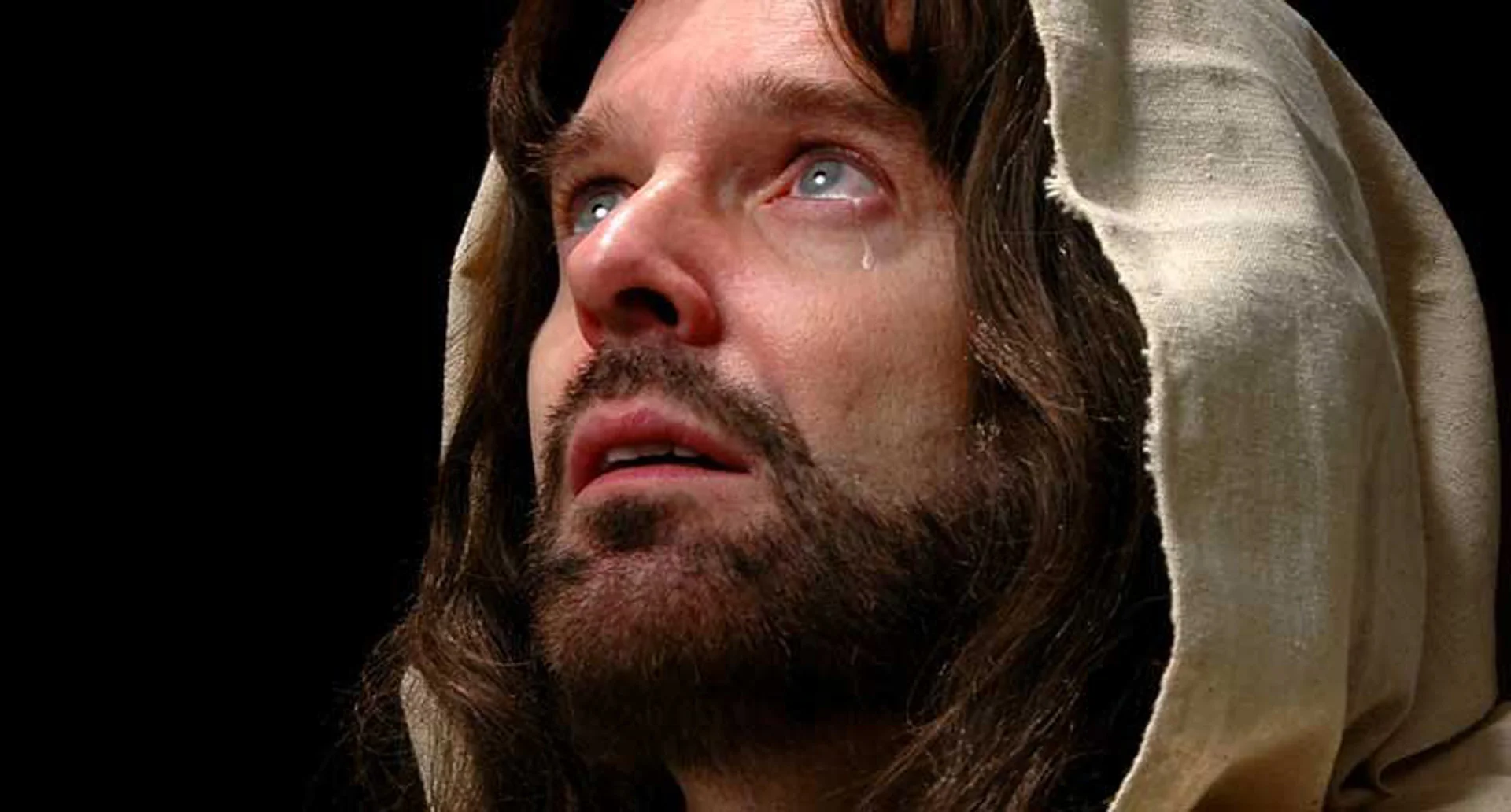
The Bible In Paintings 85: JESUS WEEPS AT LAZARUS' DEATH

“Jesus Wept ” – John 11:35


 The Tears of Christ: A Reflection on Divine Compassion


“Jesus wept.” The shortest verse in the Bible, yet one of the most profound. In just two words, we glimpse the depth of Christ’s love, His empathy, and His shared sorrow with humanity. The moment occurs in Bethany, as Jesus stands before the tomb of His dear friend Lazarus, surrounded by mourning friends and family. Although He knows that Lazarus will soon be raised from the dead, He pauses—not to explain, not to justify, but to weep.

This moment shatters any notion that Christ was distant from human suffering. His tears were not for lack of faith but a demonstration of His deep compassion. They affirm that grief is not weakness, that sorrow is not failure, and that God Himself acknowledges the weight of loss. The Savior of the world did not simply perform miracles—He entered into the pain of those around Him.


Then and Now: What This Means for Us

In Biblical times, weeping was an outward expression of mourning, but Jesus’ tears carried a Divine significance. They were not just for Lazarus—they were for all humanity, for the suffering of a world plagued by sin and death. Even as He stood moments away from reversing death’s grip, He showed that grief is part of the human experience. This moment reveals the heart of God—not a distant ruler, but a compassionate Father who understands and walks alongside His children in sorrow.

Today, this verse remains just as relevant. When we face heartbreak, loss, or uncertainty, we may question whether God sees, whether He cares. But here in John 11:35, we are reminded that He does.

He is not indifferent to our struggles, and His Presence is not just for the triumphant moments—it is for the silent tears, the nights of doubt, the prayers that feel unanswered. Just as He wept for Lazarus, He is near in every sorrow we bear.


Moral & Spiritual Considerations

The tears of Christ teach us that sorrow does not equate to a lack of faith. Grief is natural, and rather than rush past pain, we are called to embrace the Presence of God within it. Our faith does not erase suffering, but it transforms how we experience it—knowing that God does not waste a single tear.

Moreover, Jesus’ weeping calls us to mirror His compassion. How often do we overlook the suffering of others? How often do we rush past someone’s pain, eager for resolution but unwilling to sit in the discomfort of mourning? Christ calls us to weep with those who weep (Romans 12:15), to bear one another’s burdens (Galatians 6:2), and to love as He loved.


Supporting Scriptures:

  • Psalm 34:18 – “The Lord is near to the brokenhearted and saves the crushed in spirit.”
  • Hebrews 4:15 – “For we do not have a high priest who is unable to sympathize with our weaknesses…”
  • Isaiah 53:3 – “He was despised and rejected by men; a man of sorrows, and acquainted with grief…”
  • Revelation 21:4 – “He will wipe away every tear from their eyes, and death shall be no more…”

Meditative Question:

How can I embrace Christ’s compassion in my own life, learning to see sorrow not as something to avoid, but as an opportunity to draw closer to God and to others?


 Prayer:

“Lord, You are the God who weeps. You do not turn away from our suffering, nor do You ask us to bear our burdens alone. In Your tears, we see the depth of Your love—a love that walks with us through every valley, a love that redeems even the darkest moments. Teach us to trust Your Presence in our grief, knowing that no tear is unseen, no sorrow forgotten. Help us to extend Your compassion to others, to sit in the sacred space of mourning without rushing toward answers but simply embracing the power of love. May we never forget that You understand that You care, and that one day, You will wipe away every tear. In the holy name of Jesus, Amen.”

DEAR GOD: In You I’m Strong & Have Courage~

Choose Courage over Comfort — Actionalyze

 “Have not I commanded thee? Be strong and of a good courage; be not afraid, neither be thou dismayed: for the LORD thy God is with thee whithersoever thou goest.” – Joshua 1:9 (KJV)

Joshua 1:9 is a powerful and uplifting verse that speaks to the heart of courage and faith. It comes at a pivotal moment when Joshua is about to lead the Israelites into the Promised Land after Moses’ death. This command from God is not just an encouragement; it is a Divine imperative that carries profound significance for both Joshua and believers today.

Biblical Analysis Overview:

  1. Divine Command: The verse begins with a rhetorical question, “Have not I commanded thee?” emphasizing that the instruction to be strong and courageous comes directly from God. This Divine command highlights the authority and assurance that comes from God’s words.
  2. Strength and Courage: The call to be strong and courageous is a recurring theme in the Bible, particularly in the context of facing formidable challenges. Strength here refers to inner fortitude, while courage refers to the absence of fear in the face of danger or uncertainty.
  3. Absence of Fear and Dismay: God instructs Joshua not to be afraid or dismayed. Fear and dismay can paralyze and hinder the fulfillment of God’s plans. By removing these, believers can fully trust in God’s provision and guidance.
  4. God’s Presence: The assurance that “the LORD thy God is with thee whithersoever thou goest” is the cornerstone of this verse. God’s omnipresence means that Joshua, and by extension all believers, are never alone. This presence is a source of comfort, strength, and guidance.

Moral Thoughts and Takeaways:

  1. Faith in Divine Guidance: Joshua’s task was monumental, but his success was anchored in his obedience to God’s command and his unwavering faith in God’s presence. Believers are reminded to trust in God’s guidance in all aspects of life.
  2. Overcoming Fear with Faith: Fear is a natural human response, but this verse encourages believers to overcome fear by relying on God’s promises. Courage is not the absence of fear but the triumph over it through faith.
  3. God’s Ever-Present Help: The promise of God’s Presence is not limited to Joshua; it extends to all who believe. In every situation, no matter how daunting, God’s Presence provides peace and assurance.
  4. Steadfast Obedience: Just as Joshua was commanded to be strong and courageous, believers are called to steadfastly obey God’s commands, trusting that His plans are for their good.

Reflective Questions:

  1. In what areas of your life do you need to be reminded of God’s command to be strong and courageous?
  2. How can you actively overcome fear and dismay in your daily walk with God?
  3. In what ways have you experienced God’s presence guiding and comforting you in challenging times?
  4. How can you cultivate a deeper trust in God’s promises and guidance?

Supportive Scripture:

  1. Deuteronomy 31:6: “Be strong and of a good courage, fear not, nor be afraid of them: for the LORD thy God, he it is that doth go with thee; he will not fail thee, nor forsake thee.”
  2. Isaiah 41:10: “Fear thou not; for I am with thee: be not dismayed; for I am thy God: I will strengthen thee; yea, I will help thee; yea, I will uphold thee with the right hand of my righteousness.”
  3. Psalm 27:1: “The LORD is my light and my salvation; whom shall I fear? The LORD is the strength of my life; of whom shall I be afraid?”
  4. Philippians 4:13: “I can do all things through Christ which strengtheneth me.”

Prayer:

“LORD, as we reflect on Your command to be strong and of a good courage, we ask for Your strength to fill our hearts. Help us to overcome fear and dismay, knowing that You are with us whithersoever we go. Guide us, LORD, in every step we take. May Your Presence be our source of comfort and assurance, especially in times of uncertainty and challenge. Teach us to trust in Your promises and to walk in steadfast obedience to Your will. We lift our hearts in praise and gratitude, confident that Your plans for us are good, and Your love is everlasting. Keep us strong in faith and courageous in spirit, that we may fulfill the purpose You have set before us. In Jesus’ name, Amen.”

Courage Word Cloud Image & Photo (Free Trial) | Bigstock

DEAR GOD: Walking Humbly with God: Embracing Justice, Mercy, and Humility in Our Daily Lives By Your Grace~

WALKED WITH GOD | New Life Fellowship

 He hath shewed thee, O man, what is good; and what doth the LORD require of thee, but to do justly, and to love mercy, and to walk humbly with thy God?- Micah 6:8 (KJV)


Commentary:

This verse from the prophet Micah encapsulates the essence of what God desires from us in our daily walk with Him. It is both a command and a guide, distilled into three powerful actions: doing justice, loving mercy, and walking humbly with God.


Doing Justly: To do justly means to act with fairness, honesty, and integrity. It’s about making decisions that are right and just, treating others with respect, and standing up for what is morally correct, even when it’s challenging. Reflect on times in your life when you have faced a moral dilemma. How did you choose to act? Did you consider what would be the just and fair thing to do?

In today’s world, doing justly can be seen in how we advocate for social justice, support those who are marginalized, and ensure our actions contribute to the greater good. We are called to be beacons of righteousness in a world that often turns a blind eye to injustice.


Loving Mercy: Loving mercy is about showing compassion, kindness, and forgiveness to others. It’s an attitude of the heart that reflects God’s endless mercy towards us. Reflect on your interactions with others. Do you approach them with a heart full of mercy, even when they may not deserve it?

In our modern context, loving mercy can mean being empathetic towards others’ struggles, offering a helping hand without expecting anything in return, and being willing to forgive those who have wronged us. It challenges us to go beyond mere tolerance and extend grace and love in tangible ways.


Walking Humbly with Thy God: Walking humbly with God is about living a life of humility, recognizing our dependence on Him, and aligning our lives with His will. It’s a call to put aside pride and self-sufficiency, acknowledging that our strength and wisdom come from God. Reflect on your relationship with God. Are you walking humbly with Him, seeking His guidance and submitting to His plans for your life?

In contemporary times, this can translate to daily practices such as prayer, reading the Bible, and seeking God’s direction in all aspects of our lives. It means being open to His correction and willing to change course when He leads us in a new direction.


Moral Takeaways:

  1. Justice, Mercy, Humility: These three virtues are the cornerstone of a life that pleases God. They are not merely abstract concepts but practical guidelines for our daily conduct.
  2. Consistency in Character: God desires consistency in our character, not just sporadic acts of righteousness. We are to embody these virtues in all we do.
  3. Reflective Living: Regularly reflecting on our actions and attitudes helps ensure we are aligning with God’s requirements and growing in our faith.

Today’s Times vs. Yesterday: The principles of justice, mercy, and humility are timeless. However, the way we apply them can differ based on our societal context. In ancient times, these principles were lived out in communal settings where one’s actions directly impacted the community. Today, while our contexts may be more complex and global, the core call remains the same. We have more opportunities and platforms to advocate for justice, show mercy, and live humbly, making a significant impact on the world around us.


Honoring and Loving the Lord: To honor and love the Lord in all we do and say involves making a conscious effort to incorporate His teachings into every aspect of our lives. It means:

  • Intentional Living: Being mindful of our words and actions, ensuring they reflect our faith.
  • Consistency in Faith: Demonstrating our commitment to God through regular worship, study of His Word, and prayer.
  • Service to Others: Serving others selflessly, as an expression of God’s love working through us.

Being Saints of Christ: We are called to be saints, which means living set apart for God’s purposes. This involves:

  • Holiness: Striving to live a life that is holy and pleasing to God.
  • Witness: Being a witness to others through our words and deeds, shining God’s light in a dark world.
  • Alignment with His Word: Continually aligning our thoughts, actions, and attitudes with God’s Word, allowing it to transform us.

Prayer:

“LORD- Heavenly Father, we thank You for revealing to us what is good and what You require of us. Help us to do justly, to love mercy, and to walk humbly with You every day of our lives. Grant us the strength to stand for justice, the compassion to show mercy, and the humility to seek Your guidance in all we do. May our lives be a reflection of Your love and righteousness, and may we continuously strive to align our hearts with Your Word. Bless each reader, and may Your presence guide and sustain them in their journey of faith. In Jesus’ name, we pray, Amen.”

DEAR GOD: You Are The Great Healer For All~

The Healing Touch of Jesus — David Hernandez Ministries

Lamentations 3:13 (ESV):

“He drove into my kidneys the arrows of his quiver.”


Lamentations 3:13 is a vivid and painful metaphor reflecting the intense suffering and anguish experienced by the speaker, traditionally understood to be the prophet Jeremiah. This verse is part of a larger lament where Jeremiah expresses the depth of his affliction and the severity of God’s judgment upon him and his people.


Analysis and Insights

The imagery of arrows being driven into the kidneys conveys a profound sense of pain and devastation. In ancient times, the kidneys were often considered the seat of emotion and moral decision-making, much like the heart is regarded today. Thus, this verse underscores not just physical suffering but also emotional and spiritual torment. The “arrows of his quiver” signify deliberate and targeted acts of judgment, highlighting the personal nature of the suffering Jeremiah describes.


Supportive Scriptures

Job 6:4 (KJV): “For the arrows of the Almighty are within me, the poison whereof drinketh up my spirit: the terrors of God do set themselves in array against me.”

Psalm 38:2 (KJV): “For thine arrows stick fast in me, and thy hand presseth me sore.”

Both Job and the Psalmist use similar imagery to describe their afflictions. These references help to contextualize Jeremiah’s suffering within the broader biblical theme of experiencing God’s discipline and the feelings of being under divine scrutiny and judgment.


Moral Takeaways

  1. Acknowledgment of Suffering: The candid expression of pain in this verse teaches us the importance of acknowledging our suffering. Pretending it doesn’t exist or suppressing it can lead to further emotional and spiritual damage.
  2. Endurance and Faith: Despite the intense suffering, Jeremiah’s laments eventually shift to hope and faith in God’s mercy. This teaches us to hold on to faith even in the darkest times.
  3. Divine Discipline: The verse also reflects the concept of divine discipline. It reminds us that suffering can be a form of correction and growth, and while it is painful, it ultimately leads to a deeper relationship with God.

Reflective Questions

  • How do I respond to suffering and pain in my own life?
  • In what ways can I acknowledge and express my pain to God, seeking His comfort and healing?
  • How can I maintain my faith and hope in God during times of intense suffering and hardship?
  • What lessons can I learn from Jeremiah’s lament about facing and processing deep anguish?
  • How does my understanding of divine discipline shape my perspective on suffering?

Purposeful Prayer

 “LORD -We come before You with hearts burdened by the sorrows and sufferings we endure in this life. Just as Jeremiah expressed the depth of his pain, we too bring our afflictions before You. Grant us the strength to endure, the courage to acknowledge our pain, and the faith to trust in Your mercy and healing.

Help us to find hope and comfort in Your presence, even when we feel overwhelmed by suffering. Guide us to learn and grow from these experiences, drawing closer to You and relying on Your grace. May we find peace in knowing that You see our pain and are with us in every trial. In Jesus’ name, we pray, Amen.”


Scripture to Ponder

Psalm 147:3 (KJV): He healeth the broken in heart, and bindeth up their wounds.”


Blessing for the Readers

May the Lord bless you with His comforting presence in times of suffering and sorrow. May you find strength, hope, and healing in Him, knowing that He is with you in every trial. Trust in His love and guidance, and let His peace fill your heart.

God Bless You All~


DEAR GOD: Reflecting On Your Word & Hope In You~

Pin on Words to Inspire

“And now, Lord, what do I wait for?
My hope is in You.
Psalm 39:7 (NKJV)

Anchored in Hope: A Reflection on Psalm 39:7

In the quiet introspection of Psalm 39:7, the psalmist asks, “And now, Lord, for what do I wait? My hope is in you.”1 This verse encapsulates the essence of hope as a steadfast anchor, not in the transient things of this world, but in the eternal and unchanging nature of God. It is a declaration that amidst life’s uncertainties, there is one certainty that remains: the Lord is a refuge and the foundation of hope.

The Bible is replete with affirmations of hope. Jeremiah 29:11 assures us of God’s plans to prosper us and not to harm us, to give us a future filled with hope. Similarly, Romans 15:13 speaks of the God of hope filling us with joy and peace as we trust in Him. These scriptures reinforce the message of Psalm 39:7, reminding us that our hope is not rooted in the visible, but in the promises of God.

The Moral of Hope

The moral lesson here is one of patience and trust. As we navigate the wilderness of our own lives, we are called to wait upon the Lord with the assurance that our hope will not be in vain. This hope is not passive; it is active trust in God’s timing and His perfect will. It teaches us to live with expectation, not for the fulfillment of our desires, but for the fulfillment of God’s plan for us.

In the stillness of our souls, we echo the words of the psalmist, seeking You as our singular source of hope. As the world around us shifts and changes, Your promises stand firm, and in them, we find solace and strength.

May we be like trees planted by the water, drawing nourishment from Your word, growing in faith and hope even when the seasons change. Teach us to wait with hearts full of anticipation for Your guiding hand in our lives.

We ask for the courage to hope beyond our understanding, to see beyond the horizon of our circumstances, and to trust in Your eternal goodness.

Reflection

  • In what ways can we cultivate a deeper sense of hope in our daily lives?
  • How does placing our hope in God change our perspective on the challenges we face?
  • What steps can we take to align our desires with God’s promises and plan for us?

“Dear LORD, may Your Word and promises secure my spirit in all I face during the day and night, may I be a humble servant set upon Your path, and ascribe to Your commandments all the days of my life, may I recognize the patterns of spiritual goodness and reflect Your light in all I do and say, this day and always, in Jesus’ name, Amen.”

——————————————————————————————-

May this scripture and post inspire a renewed sense of hope and trust in the Lord, encouraging you to seek His presence and promises as the ultimate source of hope in our lives.


DEAR GOD: I Sing to Thee With Love~

Prayer to God for the Fire of the Holy Spirit by St. Ambrose of Milan ...

“But I will sing of thy power; yea, I will sing aloud of thy mercy in the morning: for thou hast been my defence and refuge in the day of my trouble.”
Psalm 59:16 

God is my defense and the Rock of my foundation. He is the quintessential Being in all I see and feel. He is the Creator of the Universe and my very soul. Each morning, I sing with joy for another day, and thank Him explicitly for the gift of a new day. Each night I pray for His peace and protection. But most of all I thank Him.

What do I thank Him for?

I thank Him for His Holy Spirit within me, that guides me in all I do and speak.

I thank Him for His Holy Spirit that prompts me to do what is right and leads me onto the paths of righteousness.

I thank Him for His Holy Spirit that is always with me, and never leaving me or deserting me, ever.

I thank Him for His soothing voice and Holy Spirit that is forever holding me up safely in the rage of ugly vitriolic voices in the world.

I thank Him for giving me the present of His Holy Spirit.

These examples and so much more are what I “Sing” about in the morning and during the day, as I raise my voice and exalt Him, and give Him all the honor and glory.

I realize that with Him I am impervious to “evil” because I am protected by His precious Blood and by the Holy Spirit within me.

Do you give Him thanks daily? Do you realize that the Holy Spirit resides inside of you when you accept Him as Your Lord and Savior? Do you realize that He is with you always?

Today go through the day with the conscious thought and reality that “His Spirit is with You,” and He is guiding you every step of the way.  And then go ahead and give Him a shout of praise and offer Him a thankful heart of love. He died for you! (John 3:16) If that isn’t enough alone to adore Him, then I truly don’t know what more I can possibly say, because His love for us is the biggest and greatest love story ever told!

“Father, may I always realize that Your Spirit is within me, may I mirror Your Light in all I do, may I humbly serve You with all my heart and soul, may I be obedient to Your will and Your doctrine, and may I honor and adore You all the days of my life, in Jesus’ name, Amen.”