DEAR GOD: All I Do I Do For YOU!~

FBC Hanover Youth: Doing it all for God's glory

“And whatsoever ye do in word or deed, do all in the name of the Lord Jesus, giving thanks to God and the Father by him.” (Colossians 3:17 KJV)

This verse encapsulates a profound principle for Christian living, emphasizing the importance of Christ-centeredness and gratitude in every aspect of our lives. It reminds us that our actions and words, no matter how mundane or significant, should be done as representations of our Lord Jesus Christ. This holistic approach to life fosters a deep sense of purpose and dedication to living out our faith daily.

Reflective Thoughts

When we “do all in the name of the Lord Jesus,” we are called to reflect His character and teachings in everything we undertake. This means approaching our tasks, interactions, and decisions with integrity, love, and humility. It is a commitment to ensuring that our lives bear witness to the transformative power of Christ.

Giving thanks “to God and the Father by him” reinforces the importance of gratitude. Recognizing that our ability to act and speak in His name is a gift from God fosters a heart of thankfulness. It shifts our perspective from self-reliance to a humble acknowledgment of God’s providence and grace.

Reflective Questions

  1. How can I ensure that my daily actions and words reflect the teachings and character of Jesus?
  2. In what ways can I cultivate a deeper sense of gratitude in my everyday life?
  3. How does acknowledging Jesus in all I do change my approach to challenges and opportunities?

Supporting Scriptures

  • 1 Corinthians 10:31: “Whether therefore ye eat, or drink, or whatsoever ye do, do all to the glory of God.”
  • Philippians 4:6: “Be careful for nothing; but in every thing by prayer and supplication with thanksgiving let your requests be made known unto God.”
  • Ephesians 5:20: “Giving thanks always for all things unto God and the Father in the name of our Lord Jesus Christ.”

Moral Takeaways

  1. Christ-Centered Living: Integrating Jesus’ teachings into our daily lives ensures our actions and words honor Him.
  2. Gratitude: Maintaining a thankful heart helps us recognize God’s ongoing work and blessings in our lives.
  3. Purposeful Action: Knowing that every deed can be an act of worship gives meaning and purpose to even the simplest tasks.

Being a Christian in Today’s Times

Living as a Christian in today’s world means navigating a culture often at odds with biblical values. Yet, the principles set forth in Colossians 3:17 remain timeless. By striving to do everything in the name of Jesus and giving thanks to God, we create a counter-cultural lifestyle that speaks volumes about our faith. This approach was crucial for early Christians and continues to be essential today.

The world may change, but the calling to live out our faith with integrity, love, and gratitude remains the same. By anchoring our lives in these truths, we can stand firm and shine brightly in a world that desperately needs the light of Christ.

Serving God with Love and Honor

Serving God means dedicating every aspect of our lives to His glory. It involves conscious decisions to reflect His love in our words and deeds, approaching each day with gratitude for His grace and provision. By doing so, we not only honor God but also inspire others to seek the same relationship with Him.

Prayer

“Dear Heavenly Father, we thank You for the privilege of serving You through our words and deeds. Help us to live each day in the name of Jesus, reflecting His love and teachings in all that we do. Cultivate in us a heart of gratitude, recognizing Your hand in every aspect of our lives. May our lives be a testament to Your grace and truth. In Jesus’ name, Amen.”

Scripture to Ponder

“Whether therefore ye eat, or drink, or whatsoever ye do, do all to the glory of God.” (1 Corinthians 10:31 KJV)

May this reflection on Colossians 3:17 inspire you to live a life rooted in Christ, continually giving thanks and honoring God in all you do.


God Bless You All~

God’s Glory | Waverly Church of Christ


DEAR GOD: You Complete Me & I Rejoice In You~

God Will Complete the Good Work {No Matter What Monday} - Marissa Henley


“And ye are complete in him, which is the head of all principality and power.”
(Colossians 2:10 KJV)

Colossians 2:10 presents a profound truth about the sufficiency and supremacy of Christ in the life of a believer. This verse assures us that in Jesus Christ, we are made complete. This completeness is not based on our achievements, possessions, or status but is rooted in our relationship with Christ, who is the head of all principality and power.

The phrase “ye are complete in him” suggests a state of fullness and perfection that can only be found in Jesus. This completeness encompasses every aspect of our lives—spiritual, emotional, intellectual, and physical. In Christ, we find the ultimate source of wisdom, strength, and identity. He fills every void and meets every need.

Moreover, Christ being the “head of all principality and power” underscores His supreme authority over all creation. Principalities and powers refer to spiritual beings and authorities, both good and evil. By highlighting Christ’s headship, Paul affirms that no power, whether spiritual or earthly, surpasses the authority of Jesus. This truth provides believers with confidence and security, knowing that our Savior reigns supreme over all.

Reflective Questions

  1. In what areas of my life do I struggle to feel complete, and how can I remind myself of my completeness in Christ?
  2. How does acknowledging Christ’s authority over all principality and power change my perspective on spiritual warfare and challenges?
  3. What steps can I take to deepen my relationship with Christ, thereby experiencing more of His fullness in my life?

Supporting Scriptures

  • Ephesians 1:22-23: “And hath put all things under his feet, and gave him to be the head over all things to the church, which is his body, the fulness of him that filleth all in all.”
  • Philippians 4:19: “But my God shall supply all your need according to his riches in glory by Christ Jesus.”
  • John 1:16: “And of his fulness have all we received, and grace for grace.”

Moral Takeaways

  1. Identity in Christ: Our true identity and completeness are found in Jesus Christ alone. We do not need to seek validation from worldly achievements or possessions.
  2. Authority of Christ: Recognizing Christ’s authority over all things provides us with confidence and peace, especially in the face of spiritual and earthly challenges.
  3. Spiritual Fullness: Striving for a deeper relationship with Christ allows us to experience His fullness, which enriches every aspect of our lives.

Being a Christian in Today’s Times

Being a Christian today involves navigating a world filled with distractions, challenges, and conflicting values. However, the essence of our faith remains unchanged since the beginning of time. Just as the early Christians faced persecution, temptation, and spiritual battles, we too encounter similar struggles. Yet, the promise of Christ’s completeness and His supreme authority sustains us.

In an age where identity and worth are often measured by external success, Colossians 2:10 reminds us that our true completeness comes from our union with Christ. This truth calls us to live counter-culturally, finding our worth in Him and not in societal standards.

Furthermore, acknowledging Christ’s authority provides a firm foundation in an ever-changing world. We can face uncertainties and adversities with unwavering faith, knowing that our Savior is sovereign over all.

Serving God with Love and Honor

To serve God with love and honor means to live out our completeness in Christ daily. It involves embracing our identity in Him, submitting to His authority, and allowing His fullness to overflow in our lives. By doing so, we become beacons of His love and grace, shining His light in a world in desperate need of hope and truth.

Prayer

Heavenly Father, we thank You for the completeness we have in Christ Jesus. Help us to live out this truth daily, finding our identity and worth in Him alone. Strengthen our faith to acknowledge Christ’s authority over all aspects of our lives. Fill us with Your fullness, so that we may serve You with love and honor. In Jesus’ name, Amen.

Scripture to Ponder

“And of his fulness have all we received, and grace for grace.” (John 1:16 KJV)

May this reflection on Colossians 2:10 inspire you to embrace your completeness in Christ and live out your faith with confidence and grace.


God Bless You All~


Growing Up In The Word : God Completes Every Work

DEAR GOD: You Are Our Help

41 Bible Verses About Help From God - The Graceful Chapter

God You Are Our Help


1.Lord, how are they increased that trouble me! many are they that rise up against me. 2.Many there be which say of my soul, There is no help for him in God. Selah. 3.But thou, O Lord, art a shield for me; my glory, and the lifter up of mine head. 4.I cried unto the Lord with my voice, and he heard me out of his holy hill. Selah. 5.I laid me down and slept; I awaked; for the Lord sustained me. 6.I will not be afraid of ten thousands of people, that have set themselves against me round about.7.Arise, O Lord; save me, O my God: for thou hast smitten all mine enemies upon the cheek bone; thou hast broken the teeth of the ungodly. 8.Salvation belongeth unto the Lord: thy blessing is upon thy people. Selah –                                   

Psalm 3:1-8 (KJV)


Heartfelt Commentary

Psalm 3 is a powerful testament to God’s unwavering protection and the deep faith that King David had in His divine care. This psalm is traditionally believed to have been written by David during the time he fled from his son Absalom, who had rebelled against him. Despite the immense pressure and the numerous enemies surrounding him, David’s faith in God remains unshaken.


Verses 1-2: A Cry for Help

David begins by acknowledging the overwhelming number of adversaries rising against him. These enemies doubt God’s ability to save him, but David’s plea reflects his deep distress and yet his unwavering belief in God’s deliverance.

  • Supporting Scripture: “In my distress I called upon the Lord, and cried unto my God: he heard my voice out of his temple, and my cry came before him, even into his ears.” (Psalm 18:6)

Verses 3-4: God as Protector

David proclaims God as his shield, his glory, and the lifter of his head. Despite the circumstances, he has complete trust in God’s protection and sustenance. He cries out to the Lord, who answers him from His holy hill, signifying God’s readiness to hear and respond to His people.

  • Supporting Scripture: “The Lord is my strength and my shield; my heart trusted in him, and I am helped: therefore my heart greatly rejoiceth; and with my song will I praise him.” (Psalm 28:7)

Verses 5-6: Peace Amidst Turmoil

David speaks of the peace he experiences even in the face of great danger. He is able to lie down and sleep, waking again because the Lord sustains him. His fearlessness in the face of overwhelming odds is a testament to his deep faith in God’s protection.

  • Supporting Scripture: “I will both lay me down in peace, and sleep: for thou, Lord, only makest me dwell in safety.” (Psalm 4:8)

Verses 7-8: Assurance of Salvation

David calls upon the Lord to arise and deliver him, expressing confidence in God’s ability to defeat his enemies. He ends the psalm with a declaration that salvation belongs to the Lord and a blessing upon His people.

  • Supporting Scripture: “The Lord is my light and my salvation; whom shall I fear? the Lord is the strength of my life; of whom shall I be afraid?” (Psalm 27:1)

Moral Takeaways

  1. Trust in God’s Protection: Even in the face of overwhelming adversity, trusting in God’s protection can bring peace and confidence.
  2. Persistent Prayer: Like David, we should continuously cry out to God, knowing that He hears and answers our prayers.
  3. Fearlessness Through Faith: Faith in God’s ability to save us removes fear, no matter the circumstances.

Reflective Questions

  1. How do I respond to overwhelming challenges in my life? Do I turn to God in prayer?
  2. What are the “enemies” in my life that make me feel besieged? How can I trust God more to protect me against them?
  3. In what ways can I experience and cultivate peace, even amidst turmoil?

Biblical Views Then and Now

In David’s time, the concept of God as a shield and protector was rooted in the tangible realities of battles and wars. Today, while the context may differ, the metaphor remains powerful. We face spiritual, emotional, and mental battles, and the assurance of God’s protection continues to offer profound comfort and strength.


Serving God with Love and Honor

Serving God means placing our complete trust in Him, just as David did. It means acknowledging His presence in our lives, seeking His guidance in times of trouble, and resting in the peace that only He can provide. Our service to God is not just in our actions, but also in our faith and reliance on Him.


Prayer

Heavenly Father, we thank You for being our shield and protector. Help us to trust in You completely, even when we face overwhelming challenges. Lift our heads and sustain us with Your peace. Guide us to serve You with faith and love, and to find strength in Your presence. In Jesus’ name, we pray. Amen.


Scripture to Ponder

“Be strong and of a good courage, fear not, nor be afraid of them: for the Lord thy God, he it is that doth go with thee; he will not fail thee, nor forsake thee.” (Deuteronomy 31:6)

May this reflection on Psalm 3 deepen your faith and bring you closer to the heart of God, knowing that He is always with you, protecting and guiding you.

God Bless You All~

DEAR GOD: You Are My Mighty King & Savior~

God Is Our Savior Quotes - ShortQuotes.cc

Give unto the Lord, O ye mighty, give unto the Lord glory and strength.
Give unto the Lord the glory due unto his name; worship the Lord in the beauty of holiness.
The voice of the Lord is upon the waters: the God of glory thundereth: the Lord is upon many waters.
The voice of the Lord is powerful; the voice of the Lord is full of majesty.
The voice of the Lord breaketh the cedars; yea, the Lord breaketh the cedars of Lebanon.
He maketh them also to skip like a calf; Lebanon and Sirion like a young unicorn.
The voice of the Lord divideth the flames of fire.
The voice of the Lord shaketh the wilderness; the Lord shaketh the wilderness of Kadesh.
The voice of the Lord maketh the hinds to calve, and discovereth the forests: and in his temple doth every one speak of his glory.
-Psalm 29:1-11 (KJV) 


Commentary

Psalm 29 is a majestic portrayal of God’s power, primarily exhibited through His voice. The psalmist David emphasizes the grandeur and might of the Lord, urging us to recognize and honor His supremacy.

Verses 1-2: A Call to Worship

David begins by calling upon the mighty (perhaps angels or powerful figures) to ascribe to the Lord the glory due to His name. This sets the stage for the theme of the psalm – acknowledging God’s overwhelming strength and holiness.

  • Supporting Scripture: “Give unto the Lord the glory due unto his name; worship the Lord in the beauty of holiness.” (1 Chronicles 16:29)

Verses 3-9: The Power of God’s Voice

The central portion of Psalm 29 vividly describes the power of God’s voice. David illustrates various aspects of nature that respond to God’s command:

  • Upon the waters: Showing His sovereignty over creation.
  • Full of majesty: Demonstrating His royal authority.
  • Breaks the cedars: Symbolizing His might over the strongest of nature’s elements.
  • Shakes the wilderness: Indicating His dominion over all lands.
  • Makes hinds to calve: Suggesting His control over life itself.
  • Supporting Scripture: “He looketh on the earth, and it trembleth: he toucheth the hills, and they smoke.” (Psalm 104:32)

Verses 10-11: God’s Eternal Reign and Blessing

The psalm concludes with the affirmation that the Lord sits as King forever and will give strength and peace to His people. This serves as a comforting promise of God’s eternal reign and benevolence.

  • Supporting Scripture: “The Lord sitteth upon the flood; yea, the Lord sitteth King for ever.” (Psalm 93:1)

Moral Takeaways

  1. Acknowledgment of God’s Sovereignty: We should constantly recognize and honor God’s unmatched power in our lives.
  2. Reverence in Worship: Our worship should reflect the beauty of holiness, as we give God the glory due to Him.
  3. Trust in God’s Control: Even amidst life’s storms and challenges, we can find peace in knowing that God’s voice governs all things.

Reflective Questions

  1. How often do I pause to recognize and appreciate the majesty and power of God in my daily life?
  2. In what ways can I enhance my worship to truly reflect the beauty of holiness as described in Psalm 29?
  3. How can I trust more in God’s control over my life’s circumstances, especially during times of uncertainty?

Prayer

“Heavenly Father, we stand in awe of Your magnificent power and authority. Help us to give You the glory and worship You deserve. May Your voice guide us, and may Your strength and peace fill our hearts. Teach us to trust in Your sovereign control over all things. In Jesus’ name, Amen.”

Closing Ponder Scripture with Blessing

“Now unto the King eternal, immortal, invisible, the only wise God, be honour and glory for ever and ever. Amen.” (1 Timothy 1:17)

May you be blessed with the strength and peace that come from our eternal King. May His voice guide you and His presence fill your life with beauty and holiness. Amen.

God Bless You All~


God Is Our Savior Quotes - ShortQuotes.cc


DEAR GOD: Thank You LORD For Your Tender Mercies~

Commentary on the Psalms | Evidence Unseen

Psalm 51:1

“Have mercy upon me, O God, according to thy lovingkindness: according unto the multitude of thy tender mercies blot out my transgressions.”

This verse, from Psalm 51, is a profound plea for divine mercy and forgiveness. It is attributed to King David after his sin with Bathsheba and serves as a powerful example of repentance and humility before God.

Mercy and Lovingkindness: David begins his prayer by appealing to God’s mercy and lovingkindness. Mercy, in this context, represents God’s compassionate and forgiving nature. David does not ask for justice, knowing he deserves punishment for his sins; instead, he throws himself on God’s mercy, recognizing that it is God’s lovingkindness that offers hope for forgiveness.

Tender Mercies: The term “tender mercies” conveys a deep sense of God’s affectionate care and compassion. David’s acknowledgment of the “multitude” of God’s mercies highlights his understanding that God’s capacity for forgiveness is boundless. It is not through David’s merit but through God’s abundant grace that he seeks pardon.

Blot Out My Transgressions: David’s request to “blot out” his transgressions is a plea for complete erasure of his sins. The imagery here is vivid; just as ink blots are removed from parchment, David asks God to remove the stains of his sins from his soul. This reflects a desire for a fresh start, free from the guilt and burden of past wrongdoings.

Reflective Questions

  1. How do I perceive God’s mercy in my life?
  2. In what areas of my life do I need to seek God’s forgiveness and cleansing?
  3. How can I show mercy and lovingkindness to others in my daily interactions?

Supportive Scriptures

  • Lamentations 3:22-23: “It is of the LORD’S mercies that we are not consumed, because his compassions fail not. They are new every morning: great is thy faithfulness.”
  • 1 John 1:9: “If we confess our sins, he is faithful and just to forgive us our sins, and to cleanse us from all unrighteousness.”
  • Micah 7:18-19: “Who is a God like unto thee, that pardoneth iniquity, and passeth by the transgression of the remnant of his heritage? He retaineth not his anger for ever, because he delighteth in mercy.”

Moral Takeaways

  • The Power of Repentance: True repentance involves acknowledging our sins and seeking God’s mercy with a contrite heart.
  • God’s Boundless Grace: No sin is too great to be forgiven when we sincerely seek God’s mercy. His grace is always sufficient.
  • Living a Life of Mercy: As recipients of God’s mercy, we are called to extend that same mercy and compassion to others.

“LORD- we come before You with hearts open and contrite, seeking Your boundless mercy. Just as David sought Your forgiveness, we ask You to blot out our transgressions and cleanse us from all unrighteousness. We thank You for Your lovingkindness and the multitude of Your tender mercies that are new every morning. Help us to reflect Your grace and compassion in our lives, showing mercy to others as You have shown to us. May Your Spirit guide us in living a life that honors and glorifies You. In Jesus’ name, we pray. Amen.”

Blessing

May the Lord’s grace and mercy be upon you. May He cleanse you and renew your spirit, filling you with His peace and joy. As you reflect on His word, may you be strengthened and comforted in His everlasting love.

Scripture to Ponder: Philippians 4:7 – “And the peace of God, which passeth all understanding, shall keep your hearts and minds through Christ Jesus.”

God Bless You All~


DEAR GOD: You Are A Shield To Me – My Glory And Lifter Up~

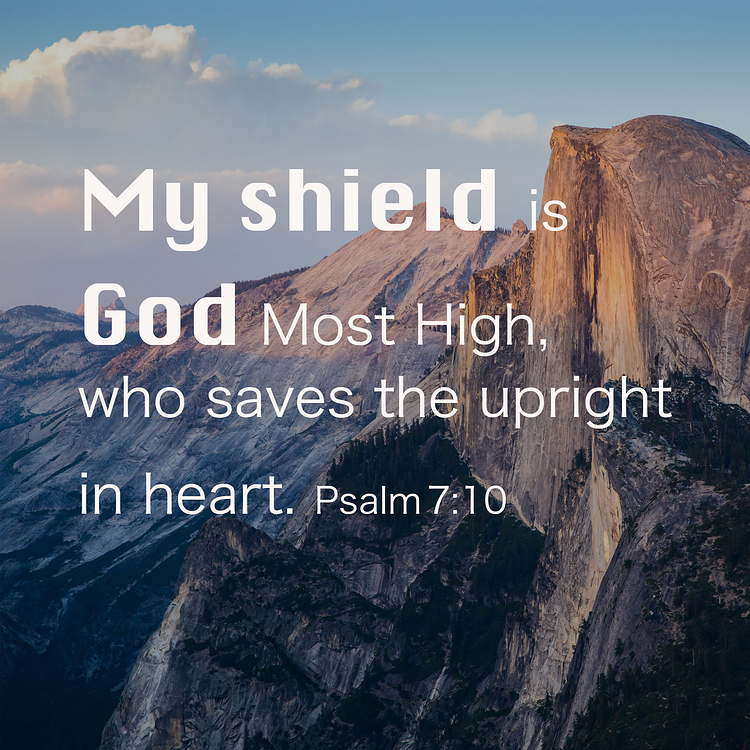
My shield is God Most High, who saves the upright in heart - The Bible ...

“But thou, O LORD, art a shield for me; my glory, and the lifter up of mine head. I cried unto the LORD with my voice, and he heard me out of his holy hill. Selah.” – Psalm 3:3-4 (KJV)


This passage, penned by David during a time of great personal distress, conveys a deep sense of trust and reliance on God. David, pursued by his enemies and facing grave danger, finds solace and strength in God’s protection and deliverance.


  Christian Analysis

  1. God as a Shield: In ancient times, a shield was a vital piece of armor, providing protection against enemy attacks. By referring to God as a shield, David acknowledges God’s role as his protector and defender. This metaphor emphasizes God’s ability to provide safety and security in the midst of life’s battles.
  2. My Glory, and the Lifter Up of Mine Head: In declaring God as his glory, David attributes his honor and dignity to the Lord. Despite his circumstances, David recognizes that his true worth and esteem come from his relationship with God. The phrase “lifter up of mine head” suggests a restoration of confidence and hope. God lifts David’s head, symbolizing encouragement, renewal, and the return of joy and purpose.
  3. Crying Out to the Lord: David’s plea is not silent or passive; he cries out with his voice, indicating earnest prayer and supplication. This act of vocalizing his need demonstrates the depth of his dependence on God.
  4. Heard from His Holy Hill: The “holy hill” refers to Mount Zion, the place of God’s dwelling and presence. David’s assurance that God hears his prayers signifies an intimate connection with the divine. It reassures believers that their prayers reach God, who is attentive and responsive.

Key Points for Today and All Days of Our Lives

  1. Divine Protection: Just as David found protection in God, we too can trust in God’s safeguarding presence in our lives. He is our shield against life’s uncertainties and challenges.
  2. Source of Honor: True glory and dignity come from our relationship with God, not from worldly achievements or status. In times of humiliation or distress, God lifts our heads, restoring our hope and confidence.
  3. Power of Prayer: Vocal and heartfelt prayers connect us to God. In moments of desperation, crying out to the Lord can bring comfort and assurance that He hears and responds.
  4. God’s Presence: The imagery of the holy hill reminds us of God’s omnipresence and accessibility. No matter where we are, our prayers reach Him, and He responds from His place of holiness.

Reflective Questions

  1. How do I experience God’s protection and presence in my life today?
  2. In what ways can I remind myself that my true glory and worth come from God?
  3. How can I make my prayers more heartfelt and earnest, trusting that God hears and responds?

Moral Thoughts and Takeaways

  • Trust in God’s Protection: In times of fear and danger, rely on God as your shield. His protection is constant and unwavering.
  • Seek Honor from God: Let your worth and dignity be defined by your relationship with God, rather than by worldly measures.
  • Pray Earnestly: Develop a habit of earnest and vocal prayer. Trust that God hears and responds to your cries.
  • Embrace God’s Presence: Remember that God is always present and accessible. Your prayers reach Him, no matter where you are.

Supportive Scriptures (KJV)

  • Psalm 28:7: “The LORD is my strength and my shield; my heart trusted in him, and I am helped: therefore my heart greatly rejoiceth; and with my song will I praise him.”
  • Psalm 121:1-2: “I will lift up mine eyes unto the hills, from whence cometh my help. My help cometh from the LORD, which made heaven and earth.”
  • Philippians 4:6: “Be careful for nothing; but in every thing by prayer and supplication with thanksgiving let your requests be made known unto God.”

Prayer

“Dearest LORD our Heavenly Father, we thank Thee for being our shield and protector, our glory and the lifter of our heads. In times of distress and danger, we cry out to Thee, knowing that You hear us from Your holy hill. Strengthen our faith to trust in Your constant protection and to seek our honor and worth in You alone. Teach us to pray earnestly and to embrace Your presence in every moment of our lives. We are grateful for Your unfailing love and for the assurance that You hear and respond to our cries. In Jesus’ precious name, we pray. Amen.”

Blessing for the Readers

May the Lord bless you with His protection and presence, lifting your head and restoring your hope and dignity. May your prayers be filled with earnestness and trust, knowing that God hears and responds. Walk in the confidence of His love, and may His peace fill your heart each day.

Scripture to Ponder

“The LORD is my strength and my shield; my heart trusted in him, and I am helped: therefore my heart greatly rejoiceth; and with my song will I praise him.” – Psalm 28:7


God Bless You All~


My Strength and My Shield | Faith blogs, Gods strength, Lord is my strength

DEAR GOD: May I Heed Your Word In All I Do & Say~

MCF Life Church: God is in control

Commentary on Anger

Anger is an intense emotion that can sometimes feel overpowering, leading us to act in ways we might later regret. For Christians, harboring and expressing anger inappropriately can be particularly damaging to our spiritual well-being and our relationships with others and with God.

Scripture reminds us of the dangers of anger:

  • Ephesians 4:26-27: “Be ye angry, and sin not: let not the sun go down upon your wrath: Neither give place to the devil.” This passage acknowledges that while anger itself is a natural emotion, allowing it to fester can open the door to sin and discord.
  • James 1:19-20: “Wherefore, my beloved brethren, let every man be swift to hear, slow to speak, slow to wrath: For the wrath of man worketh not the righteousness of God.” These verses emphasize the importance of patience and self-control, highlighting that human anger does not produce the righteousness that God desires.

Anger, if not managed properly, can poison our hearts and minds. It can lead to bitterness, resentment, and a breakdown in relationships. In the context of Christian faith, anger can distance us from God’s love and hinder our ability to reflect His grace and compassion to others.

Why Anger is Harmful to Christian Souls:

  1. It Disrupts Peace: Anger disrupts the peace within us and in our relationships. It creates an environment where forgiveness and reconciliation become difficult.
  2. It Blocks Spiritual Growth: Holding onto anger can create a barrier between us and God, preventing us from experiencing His fullness and growing in our faith.
  3. It Misrepresents Christ: As followers of Christ, we are called to emulate His love and patience. Allowing anger to control us misrepresents His teachings and character.

Reflective Questions

  1. How do I typically respond when I feel anger rising within me?
  2. In what ways can I seek God’s help to manage my anger more effectively?
  3. How can I use moments of anger as opportunities for spiritual growth and reflection?

Moral Takeaways

  • Seek Peace: Strive to resolve conflicts peacefully and quickly, avoiding the trap of holding onto anger.
  • Practice Patience: Develop patience and self-control, remembering that anger can cloud judgment and hinder righteous actions.
  • Embrace Forgiveness: Embrace forgiveness as a means to release anger and restore harmony in relationships.

Supportive Scriptures (KJV)

  • Proverbs 14:29: “He that is slow to wrath is of great understanding: but he that is hasty of spirit exalteth folly.”
  • Colossians 3:8: “But now ye also put off all these; anger, wrath, malice, blasphemy, filthy communication out of your mouth.”
  • Psalm 37:8: “Cease from anger, and forsake wrath: fret not thyself in any wise to do evil.”

Prayer

 “LORD-We come before You with hearts that seek peace and understanding. Help us to manage our anger and turn to You for guidance in moments of frustration. Grant us the patience and wisdom to respond with love and grace, reflecting Your character in all that we do. Teach us to forgive quickly and wholeheartedly, just as You have forgiven us. May Your peace fill our hearts and minds, guiding us in every interaction. In Jesus’ name, we pray. Amen.”

Blessing for the Reader

May the Lord bless you with a heart of peace and understanding, freeing you from the chains of anger. May His love guide your actions and thoughts, leading you to live in harmony with others. May you experience the fullness of His grace and the joy of His presence in your life. Amen.

God Bless You All~

DEAR GOD: You Revive My Spirit O’ LORD~

Revival of the Remnant - Out Here Hope Remains | Revival, Times of ...Psalm 34:18

“The Lord is close to the brokenhearted and saves those who are crushed in spirit.”

Psalm 34 is a beautiful reminder of God’s enduring presence and comfort in our lives, especially during times of distress. In verse 18, we find a profound assurance that God’s love and compassion are ever-present, even when we feel most vulnerable and overwhelmed. This verse reassures us that God is near to those who are suffering, offering solace and salvation to those who feel crushed by life’s burdens.

Reflective Questions

  1. When have you felt brokenhearted or crushed in spirit, and how did you experience God’s presence during that time?
  2. How can you offer support and comfort to others who are experiencing similar struggles?
  3. In what ways can you strengthen your faith and trust in God’s loving presence during difficult times?

Moral Takeaways

  • Empathy and Compassion: We are called to show empathy and compassion to those who are hurting, just as God comforts us in our times of need.
  • Trust in God’s Presence: Even in our darkest moments, we can trust that God is close to us, offering His love and support.
  • Faith and Hope: Maintaining faith and hope during challenging times can help us persevere and find strength in God’s promises.

Supportive Scriptures

  • Isaiah 41:10: “So do not fear, for I am with you; do not be dismayed, for I am your God. I will strengthen you and help you; I will uphold you with my righteous right hand.”
  • Matthew 11:28-30:Come to me, all you who are weary and burdened, and I will give you rest. Take my yoke upon you and learn from me, for I am gentle and humble in heart, and you will find rest for your souls. For my yoke is easy and my burden is light.”
  • 2 Corinthians 1:3-4: “Praise be to the God and Father of our Lord Jesus Christ, the Father of compassion and the God of all comfort, who comforts us in all our troubles, so that we can comfort those in any trouble with the comfort we ourselves receive from God.”

Love of God Today and Trusting Him Always

In today’s world, where uncertainties and trials abound, the love of God remains a steadfast anchor for our souls. His unwavering presence provides comfort and reassurance, reminding us that we are never alone.

By placing our trust in Him, we can sojourn easily through any life challenges with the confidence that He is guiding and supporting us every step of the way. And that His hands of mercy and love are upholding us, every single step of the way.

Prayer

 “LORD –We come before you with hearts open and seeking your comforting presence. Thank you for being near to the brokenhearted and for saving those who are crushed in spirit. Help us to feel your love and peace, especially in our moments of deepest need. Guide us to extend your compassion to others and give us the strength to trust in your unwavering support. May we find solace in your promises and hope in your everlasting love. In Jesus’ name, we pray. Amen.”

Scripture to Ponder

The Lord is my shepherd; I shall not want. He makes me lie down in green pastures. He leads me beside still waters. He restores my soul.” – Psalm 23:1-3

Blessing for the Reader

May the Lord bless you and keep you. May His face shine upon you and be gracious to you. May He lift up His countenance upon you and give you peace. May you always feel His comforting presence and unfailing love, now and forever. Amen


God Bless You All~


Jesus transforms fear, abolishes sin by sending his Spirit | On the ...

DEAR GOD: Help Us To Support Our Brothers & Sisters~

Bible Quotes On Helping Others. QuotesGram


Share each other’s burdens, and in this way obey the law of Christ. Galatians 6:2

Supporting friends through tribulations is both a privilege and a responsibility. As Christians, we are called to bear one another’s burdens and provide comfort and encouragement. However, it is also essential to maintain our emotional and spiritual health so that we can be effective and resilient supporters.

Offering Support Without Becoming Engulfed

Recognize and Acknowledge Pain: Acknowledge the pain and suffering your friend is experiencing. Sometimes, a listening ear and empathetic presence can be more powerful than any words of advice.

Stay Spiritually Grounded: Regularly engage in personal prayer, scripture reading, and reflection. Maintaining your spiritual health helps you offer a balanced and grounded presence.

Set Boundaries: It’s crucial to set emotional and physical boundaries to prevent burnout. Know your limits and don’t be afraid to step back when you need to recharge.

Lean on God’s Strength: Remember that it’s not solely your strength that sustains you. Trust in God’s power and seek His guidance in supporting your friend.

“The Lord is close to the brokenhearted and saves those who are crushed in spirit.” – Psalm 34:18

Reflective Questions

  1. How can you ensure your support doesn’t turn into enabling unhealthy behaviors in your friend?
  2. What are some practical ways to replenish your emotional and spiritual reserves?
  3. How can you balance empathy with the need to protect your own mental health?

Moral Takeaways

Empathy and Compassion: Be present and empathetic, but also wise in maintaining your well-being. Reliance on God: Lean on God’s strength, wisdom, and guidance rather than relying solely on your own abilities. Healthy Boundaries: Establish and respect boundaries to sustain long-term support and prevent personal burnout.

Christianity Today vs. Biblical Times

In biblical times, communities were closely knit, and support came from communal living and shared responsibilities. Today, while our communities may be more fragmented, the essence of Christian fellowship remains the same: to love, support, and uplift each other in times of need.

Strong Prayer and Pondering Scripture

“LORD- We come to You with hearts burdened by the trials faced by our friends. Grant us the wisdom and strength to be true sources of comfort and support. Help us to listen with empathy and respond with compassion. Guide us to set healthy boundaries so we can serve You and others without becoming overwhelmed. LORD remind us to continually seek Your presence and rely on Your strength, in Jesus name, Amen.”

As we reflect on Psalm 34:18, may we find reassurance in Your nearness and Your power to heal and save.

“LORD -Bless each reader, Lord, with the peace and courage to support others while nurturing their spiritual health. May Your love and light guide us always. In Jesus’ name, we pray. Amen.”

GOD Bless You All~

DEAR GOD: You Are My Shepherd -I Shall Not Want~

Psalm 23 Wallpaper

Commentary on the Book of Psalms

The Book of Psalms, a collection of sacred songs and poems, is a unique and vital part of the Bible. It reflects the breadth of human emotion and experience, capturing the essence of worship, lament, thanksgiving, and praise. Authored by various psalmists, with King David being the most notable, the Psalms have been a source of solace, inspiration, and spiritual strength for countless generations.

Purpose and Significance

The Psalms served multiple purposes for the Israelites. They were used in personal and communal worship, expressing the deepest emotions and thoughts of the people towards God. Through the Psalms, believers could cry out in anguish, shout in joy, seek forgiveness, and proclaim God’s sovereignty and goodness.

King David, a central figure in the Psalms, poured his heart into these writings. His words convey a profound sense of intimacy with God. Whether he was fleeing from enemies, celebrating victories, or seeking repentance, David’s psalms are marked by an unshakeable faith and trust in the Lord.

Heartfelt Words of the Psalmist

Psalm 23:1-4 (KJV): “The Lord is my shepherd; I shall not want. He maketh me to lie down in green pastures: he leadeth me beside the still waters. He restoreth my soul: he leadeth me in the paths of righteousness for his name’s sake. Yea, though I walk through the valley of the shadow of death, I will fear no evil: for thou art with me; thy rod and thy staff they comfort me.”

This beloved psalm by David captures the essence of God’s care and guidance. It speaks to the trust and peace found in God’s presence, even in the darkest times. It promotes our spiritual growth and confidence that in our LORD we have nothing to fear. It transcends time and remains constant in the message of “hope and eternal rewards.”  It is a favorite, and although it is quite commonly read at funerals, it’s message is for those “alive” that are still here on earth with a job to perform for the LORD and His will and purpose, while we are still in our flesh bodies. Psalms is a multi-platform in terms of meanings and assurance of Christianity overall -as we look to the LORD for all things in our lives.


Reflective Questions

  1. How can I cultivate a deeper sense of intimacy with God, similar to that of the psalmists?
  2. In what ways can I use the Psalms as a guide for my own prayers and worship?
  3. How do the emotions expressed in the Psalms resonate with my own experiences and struggles?
  4. What specific Psalms bring me comfort and strength during difficult times?
  5. How can I integrate the truths of the Psalms into my daily life?

Moral Thoughts and Takeaways

  1. Honesty in Prayer: The Psalms teach us the importance of being honest with God about our feelings and struggles. Our prayers do not need to be perfect—they need to be genuine.
  2. Trust in God’s Sovereignty: The psalmists continually affirm God’s control over all circumstances, encouraging us to trust Him even when life seems chaotic.
  3. Praise and Thanksgiving: No matter our situation, the Psalms remind us to praise and thank God, recognizing His goodness and faithfulness.
  4. Seeking Forgiveness: David’s penitential psalms illustrate the importance of seeking God’s forgiveness and experiencing His grace.

Pertaining to Today’s Christians

In a world fraught with uncertainty and wickedness, the Psalms remain a beacon of hope and a guide for navigating life’s complexities. They remind us that God’s love and promises are unchanging, providing a solid foundation in an ever-changing world.

Holding on to the Lord’s Promises

  1. Prayer and Meditation: Regularly reading and meditating on the Psalms can deepen our trust in God and strengthen our faith.
  2. Community Worship: Sharing the Psalms in communal worship can foster unity and support among believers, encouraging one another in faith.
  3. Personal Reflection: Using the Psalms for personal reflection and prayer can help us remain grounded in God’s promises and love.

 Prayer

“LORD God –thank You for the gift of the Psalms, a timeless collection of songs and prayers that speak to the deepest parts of our souls. Help us to draw closer to You through these sacred words, finding comfort, strength, and guidance in our journey of faith. Grant us the honesty to express our true feelings to You, the trust to rely on Your Sovereignty, and the gratitude to praise You in all circumstances. May Your promises and love sustain us in this wicked world, and may we hold fast to the eternal rewards You have promised. In Jesus’ name, we pray, Amen.”

Scripture to Ponder

Psalm 91:1-2 (KJV): “He that dwelleth in the secret place of the most High shall abide under the shadow of the Almighty. I will say of the Lord, He is my refuge and my fortress: my God; in him will I trust.”

Blessing  

May the Lord bless you with a deep sense of His presence and peace. May the words of the Psalms comfort and strengthen you, guiding you through the trials and triumphs of life. Trust in His unwavering love and hold on to His promises, for He is your refuge and fortress.

God Bless You All~

23 Psalm Wallpaper KJV - WallpaperSafari


91st Psalm. KJV DIGITAL DOWNLOAD Prayer for God's | Etsy