DEAR GOD: I Reflect On Your Gift Of Salvation~

Salvation Anyone? | Journeys

Psalm 149:4: A Reflection on Divine Pleasure and the Beauty of Salvation

Psalm 149:4 states, “For the LORD takes pleasure in His people; He will beautify the afflicted ones with salvation.” This verse is a powerful reminder of God’s love and favor towards His people. It speaks of a God who not only creates but also delights in His creation. But what does it mean for the Almighty to take pleasure in His people, and how does He beautify the meek with salvation?

The Pleasure of the Lord

The pleasure of the Lord is not like human pleasure, which is often fleeting and self-serving. God’s pleasure is deep, abiding, and focused on the well-being of His people. It is a pleasure rooted in love and grace. Reflect on this: What brings you pleasure? How does your pleasure compare to the pleasure of the Lord?

The Beauty of Salvation

Salvation is often thought of in terms of rescue or deliverance from sin. However, Psalm 149:4 suggests that salvation is also an adornment, a beautification. It is God’s transformative work that takes the broken, the meek, and the humble, and clothes them in the beauty of His grace and righteousness.

Consider this: In what ways have you experienced the beautifying work of salvation in your life?

Scriptural Support

Throughout the Bible, we see the theme of God’s pleasure in His people and the beauty of salvation echoed:

  • Zephaniah 3:17 says, “The LORD your God is with you, the Mighty Warrior who saves. He will take great delight in you; in His love He will no longer rebuke you, but will rejoice over you with singing.”
  • Isaiah 61:10 declares, “I delight greatly in the LORD; my soul rejoices in my God. For He has clothed me with garments of salvation and arrayed me in a robe of His righteousness.”

These passages reinforce the message of Psalm 149:4, showing us that God’s pleasure and the beauty of salvation are central to His relationship with us.

 Reflective Questions

  1. How can we live in a way that brings pleasure to God?
  2. What does it mean to be ‘beautified’ with salvation in our daily lives?
  3. How can the knowledge of God’s pleasure in us transform our self-perception and interactions with others?

In Unity Prayer

“Dear Heavenly Father, we stand in awe of Your love and the pleasure You take in us. We are humbled by the beauty of Your salvation that adorns us in righteousness. May we live lives that reflect Your grace and bring You joy. In Jesus’ name, Amen.”


Moral Thought of the Day

“True beauty is found in the salvation that God bestows upon us, transforming our lives from the inside out and reflecting His perfect love.”

I invite you to ponder the depth of God’s love and the transformative power of His salvation. It encourages us to reflect on our own lives and to seek to align our pleasures with those of the Lord, finding true beauty in the salvation He offers. May this reflection lead us to a deeper understanding and appreciation of God’s love for us.


DEAR GOD: Assurance Of Your Presence Is Reassuring~


God's Presence - Free Personal Growth Resources

In the book of Jeremiah, chapter 29, verse 12, we find a promise of a profound connection between God and His people: “Then you will call upon me and come and pray to me, and I will listen to you.” This verse is a beacon of hope, a reminder that in seeking God with a sincere heart, we are heard.

The Assurance of Being Heard

In a world brimming with ugly noise and overwhelming distractions, the assurance that our voice is heard by the Divine is deeply comforting. Jeremiah 29:12 is set within a letter sent by the prophet Jeremiah to the exiles in Babylon, offering them guidance and hope during a time of uncertainty and longing for home. It speaks to the moral imperative of maintaining faith, stirring our very souls and the importance of prayer, even when circumstances seem hopeless, grim and dire.

The Moral Imperative of Hope

The moral lesson here is one of perseverance in faith. The Israelites, far from their homeland and feeling abandoned, are promised that their prayers are not in vain. This teaches us that in our own times of exile—whether physical, emotional, or spiritual—our hope should not waver. The act of calling upon God is an act of trust, a belief that despite our current struggles, there is a plan for our welfare, “plans to give you hope and a future” (Jeremiah 29:11).

Reflective Question

  • How often do we, in our moments of despair, forget the power of reaching out in prayer?
  • Do we truly believe that we are heard, or do we let the cacophony of our trials drown out our faith?

 Today as we go about our business, be calm and confident knowing we walk with the LORD.” Be grateful to the LORD. For all we endeavor to aspire, in all we are, and in every moment, we are here on earth – it is a gift from God-and we should always be thankful and glorify our Father all the days of our lives.

Are you calling upon the LORD? He’s listening.

“Dear Heavenly Father, In the quietude of this moment, we reach out to You, echoing the words of Jeremiah. We call upon You, knowing that You are listening, that our voices are not lost in the void. Grant us the strength to maintain hope when the horizon seems distant, and the courage to seek You with all our hearts. May we always remember that You are near, ready to listen, and eager to guide us back to Your embrace, in Jesus’ name, Amen.”

_____________________________________________________

May God’s voice that is firmly rooted in scripture, invite us to reflect on the constancy of His loving Omnipotence and His Holy Presence through the power of prayer. May it encourage us to hold onto hope and to remember that we are never truly alone in our struggles.

DEAR GOD: Our Marriage Represents YOU!~

THE MARRIAGE COVENANT – Ministry of the Watchman International ...

The Covenant Of Marriage

In the Divine narrative of human relationships, marriage stands as a sacred covenant, a testament to the union not just of two individuals, but of two souls bound by a promise of eternal companionship. The Bible speaks of this covenant with reverence, highlighting its significance and sanctity. Genesis 2:24 states, “Therefore a man shall leave his father and his mother and hold fast to his wife, and they shall become one flesh.” This verse encapsulates the essence of marriage as envisioned by God—a harmonious blend of two lives into a single, unified existence.

The covenant of marriage is not merely a social contract; it is a spiritual vow that mirrors the fidelity and love of God for His creation. Malachi 2:14-16 reminds us that the Lord is a witness to this covenant, underscoring the gravity of the commitment made between spouses. It is a pledge of faithfulness, where love is not a fleeting emotion but a steadfast choice, a decision to uphold and honor one another through every season of life.

As we delve into the depths of this divine institution, we find that marriage is a reflection of God’s own covenant with humanity—a promise of unwavering presence, support, and love. It is a relationship that demands respect, understanding, and grace, much like the relationship between Christ and the Church, as described in Ephesians 5:1-332.

We can sum up that the moral of the covenant of marriage is this: That true love is not found in grand gestures or fleeting passions, but in the quiet commitment to stand by each other, to support and cherish one another in every circumstance. It is a love that emulates the love of God—unconditional, forgiving, all-encompassing and eternal.

Reflective Questions:

  • How can we ensure that our marriages reflect the covenantal love that God has shown us?
  • In what ways can we demonstrate the attributes of God—such as patience, kindness, and forgiveness—in our relationships with our spouses?
  • What steps can we take to honor the sanctity of the marriage covenant in our daily lives?

Unity Prayer:

“Dear Precious and Gracious God, we come before You with humble hearts, seeking Your blessing upon the sacred covenant of marriage. May every union be a living testimony of Your divine love and faithfulness. We pray for strength to uphold the vows made before You, to embody the love and grace that You have so generously bestowed upon us. Help us, O Lord, to mirror Your covenantal love in our marriages, to be patient, kind, and forgiving, reflecting Your glory in our companionship. May our relationships be built on the foundation of Your Word, guided by Your Spirit, and strengthened by Your presence. We thank You for being our ultimate example of love and commitment. May our marriages honor You and serve as beacons of Your light in this world. In Jesus’ name, we pray. Amen.”


DEAR GOD: Teach Us Your Way Of Loving Others~

Loving Kindness Isaiah 54:10 – Encouraging Bible Verses

The Virtue of Neighborly Kindness

In a world where individualism often takes precedence, the Bible calls us to embrace a different ethos—one of kindness and compassion towards our neighbors. This post explores the biblical injunction to be kind and loving to our neighbors.

The Commandment of Love

The cornerstone of neighborly kindness is found in Leviticus 19:18, “You shall not take vengeance or bear a grudge against the sons of your own people, but you shall love your neighbor as yourself: I am the Lord.” This commandment is echoed in the New Testament, where Jesus declares it the second greatest commandment, inseparable from the first, which is to love God with all one’s heart (Matthew 22:39).

The Good Samaritan

Jesus further illustrates this principle in the parable of the Good Samaritan (Luke 10:25-37). A man, stripped of his possessions and left for dead, is ignored by his own countrymen. Yet, a Samaritan, considered an outsider, shows compassion and cares for him. This story teaches us that neighborly kindness transcends cultural and ethnic boundaries and is something that we all should put into place and ascribe to, not just read it, but do it.

The Early Church

The early church modeled this kindness in their communal living, as described in Acts 2:44-45: “All who believed were together and had all things in common. And they were selling their possessions and belongings and distributing the proceeds to all, as any had need.” This radical generosity was a tangible expression of their love for their neighbors.

The Epistles

The epistles are replete with exhortations to kindness. Ephesians 4:32 urges, “Be kind to one another, tenderhearted, forgiving one another, as God in Christ forgave you.” This verse not only commands kindness but also links it to forgiveness, another facet of neighborly love.

The Fruit of the Spirit

Kindness is also listed as a fruit of the Spirit in Galatians 5:22-23. As believers walk in the Spirit, they exhibit kindness, among other virtues, as a natural outgrowth of their faith.

Moral Insight

The moral imperative to be kind to our neighbors is clear: it is a reflection of God’s love for us and an essential part of living a life that honors Him. When we show kindness, we become conduits of God’s Grace, and our actions can have a ripple effect, encouraging others to do the same. It catapults others into reflections of Christ in doing such actions, and offering kindness where we may. It is a call to be spiritually inclined instead of flesh motivated.  It is a call to walk in the commandments of Christ and His love for others, as He commanded us to do in John 13:34 -“a new commandment I give to you that you love others as I have loved you…”

  •  How can I show kindness to someone from a different background or belief system?
  • What are practical ways I can demonstrate generosity to those in need in my community?
  • In what areas of my life do I struggle to show kindness, and how can I ask God to help me in those areas?

“Dear Lord of all kindness, we pray that You instill in us a heart of compassion for our neighbors. May we see them through Your eyes, love them with Your love, and serve them with the humility of Christ. Help us to embody the kindness that You have shown us, that our lives may be a testament to Your unending grace, in Jesus’ name, Amen.”


——————————————————————————————-

In conclusion- Being kind to our neighbors is not merely a suggestion; it is a Biblical mandate that reflects the heart of God. It requires intentionality, sacrifice, and a willingness to see beyond ourselves. As we practice this virtue, we not only enrich the lives of those around us but also grow in our own spiritual journey.

DEAR GOD: Your Word Is Locked In My Heart~

His Word Our Hearts | Driving Thought

The Steadfast Love of Christ

 In the depths of despair, where hope seems but a distant flicker, the words of Psalm 69:14 resonate with a profound truth: “Rescue me from the mire, do not let me sink; deliver me from those who hate me, from the deep waters.” This cry for deliverance is not just a plea for physical salvation; it is a testament to the enduring love of Christ that reaches even the darkest corners of our existence.

When we lock the Word into our mind, heart and soul – we then can unlock things through Christ – and Him alone. His Word is a balm for our souls and a love feast for our entire lives.

Moral Compass

The moral compass guided by Christ’s love points us towards compassion, forgiveness, and unwavering kindness. It challenges us to ask ourselves: How do we emulate Christ’s love in our daily interactions? Are we quick to judge, or do we extend a hand of grace as He does?

Prayerful Introspection

“Oh, Sweet Lord- Jesus, in the midst of our trials, remind us of Your unfailing love. Help us to embody Your compassion and to seek Your wisdom in all things. May our hearts be anchored in Your grace always, in Jesus’ name, Amen.”

Reflective Questions

  • How can we show Christ-like love to those who oppose us?
  • In what ways can we draw strength from Christ’s love during times of personal struggle?

Closing Moral Thoughts

As we ponder Psalm 69:14, let us remember that Christ’s love is not passive; it is active and transformative. It calls us to rise above our circumstances, to love without reservation, and to live with a heart full of grace. May this verse inspire all of us to reflect on the depth of Christ’s love and locking the Word into our hearts and how it shapes our moral journey.

——————————————————————————————-

May we all meditate and ponder this verse and the significance of the boundless love that Christ offers and how it can guide us through life’s tumultuous waters – all the days of our lives here on earth!🕊️

DEAR GOD: Your Reflection Within Is My Strength~

Holy Spirit Within | FOR THE LOVE OF GOD
Divine Presence Within

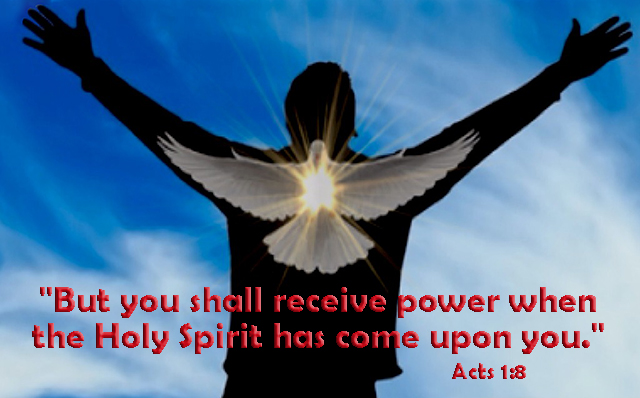
In a world that often feels tumultuous and overwhelming, the scripture offers a profound reassurance: “Greater is the one in me than the one in the world.”This statement is not just a comfort; it is a declaration of an indomitable spirit provided by the Holy and Divine Presence within us.

Assurance in Scripture

The scriptural backing for this bold claim is found in the Christian New Testament, in the book of 1 John 4:4, which states, “You, dear children, are from God and have overcome them, because the one who is in you is greater than the one who is in the world.” This passage speaks to the victory of the Holy Spirit over worldly challenges and adversities.

The Moral Strength of Inner Spirit Of Christ

The moral of this scripture is clear: the spiritual essence within each person is a source of immense strength and resilience. It suggests that no matter the external pressures or trials one may face, the inner Spirit Presence provides a wellspring of power to overcome them, and only through Christ can we accomplish this!

Learning from Scripture

Learning from scripture is not merely a mind exercise; it is a Spiritual journey that transforms us. It teaches us to look beyond the visible, to trust in the invisible, and to find courage in the assurance that the Divine within us is indeed greater than any force we may encounter in the world.

In the journey of faith, believers are often encouraged to look outward for signs of the Divine. Yet, the scripture gently redirects our gaze inward, to the sanctuary of the soul where a Greater Power resides. “Greater is the one in me than the one in the world” is not merely a phrase; it is a spiritual axiom that anchors us in the truth of Divine Supremacy within our very being.

The Inner Fortress Against Worldly Forces

The world presents an array of forces that can intimidate, discourage, and even derail us from our path. These forces take many forms: adversity, temptation, addictions, and the pervasive influence of negative voices that echo through our society. However, the scripture in 1 John 4:4 serves as a reminder that within us dwells a power far greater than these external pressures—a Holy Divine and loving fortress that stands unassailable by worldly strife.

Living with the Consciousness of Inner Divinity

To live with the consciousness of this inner Spirit is to walk through life with a different posture. It is to face trials with composure, to meet challenges with courage, and to encounter negativity with a peace that surpasses all understanding. This awareness transforms our interactions, infusing them with grace and fortitude, and empowers us to be agents of change in a world that yearns for the touch of the Divine and His Presence from above.

The Transformative Impact of Divine Presence

The indwelling Divine Presence of the Holy One is not static; it is transformative. It shapes our character, molds our desires, and aligns our will with that of the LORD. As we yield to this Greater Power, we find ourselves becoming more loving, more compassionate, and more reflective of the His Divine image. This transformation is the essence of spiritual growth and the hallmark of a life lived in tune with the Greater One within.

Reflective Questions

  1. In what ways can we become more attuned to the divine presence within us?
  2. How does the realization of the greater one within us empower us to serve others?

Embracing scripture and our Christianity is an act of embracing the Spirit within. It is a journey of discovery, where each verse is a steppingstone to a deeper understanding, and each chapter a guide to greater wisdom. As we learn from scripture, let us cherish the revelation that within us lies a power greater than any challenge we face in the world—a power that assures us of victory, peace, and eternal grace.

“Dear Lord, we acknowledge Your mighty Presence within us. May we always remember that Your strength is our fortress, and Your wisdom our guide. Help us to draw upon Your power in every circumstance, and to walk in the confidence of Your victory over the world, in Jesus’ name, Amen.”

 ——————————————————————————————

Learning from scripture is not merely an exercise in Christianity; it is a spiritual journey that ultimately transforms each of us. It teaches us to look beyond the visible, to trust in the invisible, and to find courage in the assurance that the LORD’s Spirit within us, as true believers in Christ as our Savior – is indeed greater than any force we may encounter in the world…

Pin on Bible - New Testament - Quotes, Verses, Words, Pictures, Images

DEAR GOD: You Are My Strength & Power Always~

In God's Strength, We Can Achieve Greater - Blues to Blessings

God is my strength and power,
And He makes my way perfect.
2 Samuel 22:33 (NKJV)


The Unassailable Strength of God

In the heart of the Old Testament, nestled within the historical narrative of 2 Samuel, we find a verse that resounds with the timeless truth of God’s strength and sovereignty. 2 Samuel 22:33 declares, “God is my strength and power, And He makes my way perfect,” a testament to the Divine support and guidance that King David experienced throughout his tumultuous life.

This verse is part of a longer song of praise, a psalm of deliverance that David sang to the Lord on the day when the Lord had delivered him from the hand of all his enemies and from the hand of Saul. It encapsulates the essence of David’s reliance on God, not just as a source of physical strength but as the architect of a blameless path through life’s trials and tribulations.

The Bible is overflowing with affirmations of God’s strength and power. In Psalm 18:2, David echoes a similar sentiment, “The Lord is my rock, and my fortress, and my deliverer; my God, my strength, in whom I will trust.” This passage reminds us that our fortitude stems not from our own capabilities but from our reliance on God.

The New Testament also carries this theme forward. In 2 Corinthians 12:9, Paul speaks of God’s grace being sufficient, for His power is made perfect in weakness. This paradoxical strength is not one that dominates or destroys but rather empowers and perfects.

Moreover, Isaiah 40:31 offers a vivid image of those who hope in the Lord renewing their strength, soaring on wings like eagles, running without growing weary, walking without fainting. It’s a promise of Divine rejuvenation for the fatigued soul, an assurance that God’s power is an ever-present source of renewal.

As we reflect on these scriptures, we see a pattern of God’s power manifesting not in the absence of adversity but amidst it. It’s a power that doesn’t prevent the storm but steadies the ship in its raging waves. It’s a strength that doesn’t remove the mountain but grants us the endurance to climb it.

Reflective Questions

  • How have you experienced God’s strength in your own life?
  • In what ways can recognizing God’s power transform your approach to challenges?
  • How does the assurance of God’s perfect way influence your daily decisions and actions?

Closing Thoughts

In the overall grand scheme of life, each action we do or apply is observed and watched by our LORD. He is the One that ultimately judge us by our actions and thoughts and ways – this is woven with Divine intention. May we rest in the knowledge that the God who created the universe is the same God who promises to make our way perfect. He is there non-stop protecting, leading, directing, guiding.  Let us walk in that perfection, not as a measure of our own righteousness, but as a reflection of His strength and power at work within us, and above all as a testament of HIS LOVE for His children – along with all of His promises in the Bible…

” LORD, You are our strength and our Shield, our Rock in times of trouble. Your power is unmatched, Your wisdom unsearchable. As we meditate on Your Word, may we find solace in Your strength and guidance on the path You’ve set before us. Help us to trust in Your Sovereign hand, knowing that You work all things for our good and Your glory, in Jesus’ name, Amen.”

_____________________________________________________

May this verse and post through the LORD’s wisdom and guidance bring about a deeper understanding and knowledge of the LORD’s love, and how we may apply this to our lives at this very moment…


DEAR GOD: Guide Me In All Things Everyday Of My Life~


Psalm 5:8 Lead me in the right path, O Lord, or my enemies will conquer ...

The verses Colossians 3:16-17 present a blueprint for Christian living, emphasizing the role of Christ’s word in guiding believers’ lives and the importance of doing everything in His name. These verses encapsulate the essence of Christian doctrine—love, wisdom, and gratitude.

The Word of Christ in Us

“Let the word of Christ dwell in you richly in all wisdom, teaching and admonishing one another in psalms and hymns and spiritual songs, singing with grace in your hearts to the Lord.” (Colossians 3:16) This verse underscores the significance of Christ’s teachings as the foundation of wisdom. It encourages believers to internalize the Gospel so that it may enrich their lives and relationships with others. The use of psalms, hymns, and spiritual songs suggests a community united in worship and mutual edification.

Acting in the Name of Jesus

“And whatever you do in word or deed, do all in the name of the Lord Jesus, giving thanks to God the Father through Him.” (Colossians 3:17) Here, the Apostle Paul extends the principle of living by Christ’s word to all aspects of life. Every action and word should be an offering to Jesus, reflecting His love and sacrifice. The call to give thanks to God through Jesus reinforces the centrality of gratitude in the Christian faith.

Scriptural Support

The original message of these verses is supported by numerous other scriptures:

  • “So, whether you eat or drink or whatever you do, do it all for the glory of God.” (1 Corinthians 10:31)
  • “In him we live and move and have our being.” (Acts 17:28) These passages echo the call to live a life that glorifies God and acknowledges His pervasive presence.

Moral and Reflective Questions

The moral of these verses is the call to intentional living—every action, no matter how small, should be done with purpose and in alignment with Christ’s teachings.

  • How can I ensure that Christ’s word dwells richly within me?
  • In what ways can I incorporate gratitude into my daily life?

Conclusion

Colossians 3:16-17 serve as a reminder that the Christian life is one of continuous worship and thanksgiving. By allowing Christ’s teachings to permeate our lives, we can live out our faith authentically and impactfully.

“Dear Lord, we seek to embody the wisdom of Your word as instructed in Colossians 3:16-17. May our hearts be filled with Your teachings, and may our actions reflect Your love. Guide us to live in gratitude and to do everything in the name of Jesus. Amen.”

DEAR GOD: My Solitude Is In Prayer With You~

What Is the Prayer of Abandonment, and Is it Biblical?

But he would withdraw to desolate places and pray. – Luke 5:16 (ESV)

Solitude and Prayer in Desolate Places

In the Gospel of Luke, we encounter a profound yet simple verse that speaks volumes about the spiritual life of Jesus: “But he would withdraw to desolate places and pray.” This statement, though brief, offers a window into the rhythm of Jesus’ life and the priority He placed on communion with the Father.

The Need for Solitude

The desolate places represent a physical and metaphorical space where one can be alone, away from the noise and demands of the world. For Jesus, these moments of solitude were not mere escapes but intentional periods for reflection, renewal, and intimate conversation with God. In the stillness of these places, free from distractions, Jesus found strength and guidance for His ministry.

The Act of Prayer

Prayer, as demonstrated by Jesus, is the lifeline of a spiritual journey. It is the act of opening one’s heart to divine influence, seeking wisdom, and expressing one’s deepest concerns and desires. Through prayer, Jesus aligned His will with that of the Father, drawing on the source of all power and love.

The Moral Questions

  • How do we prioritize our spiritual well-being in the midst of life’s busyness?
  • What role does solitude play in our relationship with the divine?
  • Are we willing to withdraw from our comfort zones to seek a deeper connection with God?

I am sure Jesus’ words as He told us to go and pray echoes the sentiment of many of the faithful seeking solitude for spiritual nourishment. In the midst of life’s busyness, finding time for solitude and prayer can bring peace to our hearts and clarity to our minds. Just as Jesus went off to pray to the Father -we can draw strength from Jesus’ words, and His discipline to seek the Father in prayer-and from these quiet moments to live our lives with greater purpose and compassion. Have you sought Him in solitude today?

“Dear Heavenly Father, In the quiet of this moment, I seek Your Presence. Lead me to the desolate places where I can hear Your voice. Amidst the chaos of life, grant me the courage to withdraw and pray. May my spirit find rest in You, and my will align with Yours, in Jesus’ name I pray. Amen.”

In contemplating the example of Jesus, we are invited to examine our own lives and consider the place of solitude and prayer in our spiritual walk. The desolate places are not just geographical locations but states of heart where we can meet God, undisturbed and attentive. May we find our desolate place, and there, pray.

DEAR GOD: Refine & Purify Me With Your Love


Click Here to read “Refined by God’s Fire & Purified in Christ” # ...


“But He knows the way I take;
When He has tried me, I shall come forth as gold.
“My foot has held fast to His path;
I have kept His way and not turned aside.
“I have not departed from the command of His lips;
I have treasured the words of His mouth more than my necessary food-
Job 23:10-12

The Refiner’s Fire

In the heart of suffering and despair, the Book of Job offers a profound narrative on the human condition, the mystery of divine providence, and the resilience of faith. Job 23:10-12 stands as a testament to the enduring spirit of a man beset by inexplicable tragedy, yet still able to declare, “But he knows the way that I take; when he has tried me, I shall come forth as gold.”

The Context of Suffering

Job’s suffering is universal, transcending time and culture. His losses are immense, his pain palpable. In his lament, he expresses a deep desire to confront God, to present his case and be heard. Yet, in these verses, there is a shift from questioning to a quiet confidence in God’s omniscience and the ultimate purpose of his trials.

The Assurance of Divine Knowledge

“But he knows the way that I take…” Here, Job acknowledges that despite his confusion and the seeming absence of God, there is an all-seeing eye that understands his journey. This is not a passive awareness but an intimate knowledge of Job’s integrity and the path he walks. It is a recognition that God is not indifferent to his plight.

The Purification Through Trials

“When he has tried me, I shall come forth as gold.” The imagery of refinement through fire is powerful. Gold, with its inherent value and luster, must be purified to reach its full potential. Job likens his trials to this process, suggesting that suffering has a purifying effect on the soul, burning away the dross to reveal a character that is resilient and pure.

The Steadfastness in Faith

Job’s declaration is not one of resignation but of steadfastness. He has “held fast to His steps; I have kept His way and not turned aside.” In the midst of trials, Job has clung to the ways of God, treasuring His words more than his necessary food. This is the essence of faith – a commitment to God’s will, even when the path is shrouded in darkness.

The Moral: Integrity in Adversity

The moral of these verses is clear: integrity must be maintained, even in the face of adversity. Job’s example challenges us to consider our own responses to suffering. Do we falter, or do we, like Job, emerge from our trials as gold, refined and more precious for having been tested?

Reflective Questions

  1. How does Job’s confidence in God’s knowledge of his path influence our understanding of divine providence?
  2. In what ways can suffering serve as a refiner’s fire in our own lives?
  3. What does it mean to hold fast to God’s steps, and how can we apply this principle during our own trials?

The Moral

Let us take from Job’s story the courage to face our trials with integrity, trusting that the Almighty Refiner is at work, crafting something beautiful from the raw ore of our lives. May we, too, come forth as gold, shining with the brilliance of a faith tested and true.

“Dear Heavenly Father, In the crucible of life’s trials, may I find solace in Your sovereign knowledge. Grant me the grace to trust in Your refining process, that I may emerge as gold, reflecting Your glory. Help me to hold fast to Your ways, treasuring Your word above all else. May trials reveal the purity of my faith and the depth of integrity. In the name of Your Son, Jesus Christ, it is I pray, Amen.”

 May this post reflect the importance of faith as we reflect upon Job’s trials and tribulation, and may it be a force of our Christianity and trust in the LORD as we go through life…